Batteries first
Last fiscal, India spent about $135bn on imported oil and gas, at a time global prices were low.
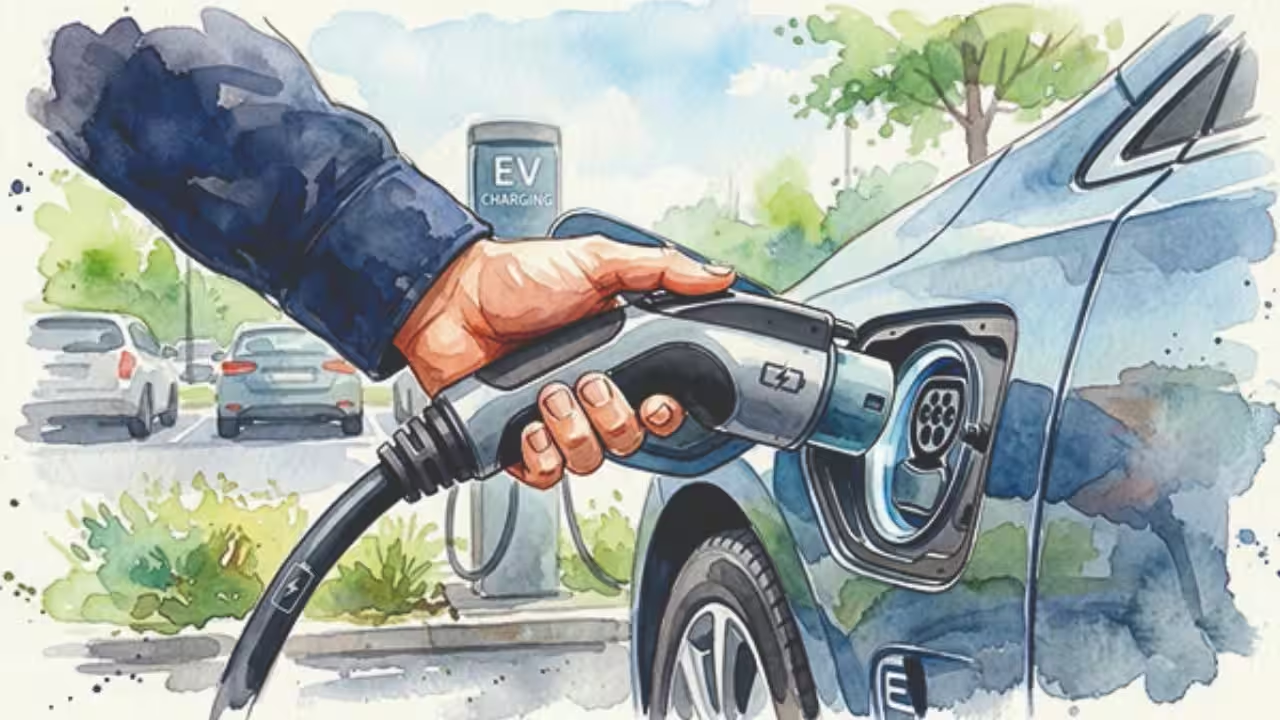
Last fiscal, India spent about $135bn on imported oil and gas, at a time global prices were low. This year, the bill will be considerably higher, due to Iran war. Oil and gas is our largest import item, and if we curtail it, defending the rupee will be easier. So, electric vehicles look like the answer. But as TOI reported Monday, they are only adding to the import burden. In the five months from April to Aug – after Iran war started, stoking interest in EVs – India’s battery imports from China increased to almost $3bn. Extrapolating, the full-year bill could touch $7bn.That would be justifiable if battery imports offset hydrocarbon imports, to the same or greater extent. But as an HSBC Global Research report pointed out recently, they don’t always. If you’re talking e-scooters, the kind used by delivery agents, or e-rickshaws, or even electric buses, yes, the battery offsets fuel import costs in 2-3 years. But electric cars take 7-8 years, on average. That’s because most cars are low-milers. They sit in parking lots most of the time. So, the more electric cars you have, the bigger your battery import bill – cars have big batteries – without commensurate savings on the hydrocarbon side. And the irony is that govt is encouraging EV adoption with huge subsidies. In Delhi, India’s biggest vehicle market, an expert panel has recommended complete phase-out of petrol and diesel cars by 2040.Should we give up electrification? No, but we must aggressively push battery manufacturing in India. West Asia is a key supplier of oil and gas, but it’s not had a monopoly for decades. Russia, US, Venezuela, etc, there are plenty of other suppliers. But when it comes to lithium batteries, China’s grip on the market should lead to second thoughts. Where we, as a nation, are aiming for 50GWh battery cell manufacturing capacity, some Chinese factories produce much more individually. There’s no point overcoming one kind of import dependence for another.So far, our battery manufacturing story is uninspiring. Our batteries are still made of imported cells and electronics, and manufacturing capacity this time last year was just 1.4GWh. Global demand for lithium batteries is booming, for not only EVs but also storage systems, data centres, etc. The country must take a leap of faith here, creating the whole battery ecosystem, from research to metal refining and manufacturing. We’ve done it before with petroleum refineries. This, too, is doable.Disclaimer: Views expressed above are the author's own.
Topics in this story
Gathered from external sources. Rights to this text belong to whoever originally published it.