In 2007, a couple gave $1.5 million to revive UNLV's dead debate programme; 11 years later, it was ranked No. 5 in America
In 2007, a $1.5 million donation from Sanford and Sandra Berman helped bring the University of Nevada, Las Vegas (UNLV) debate programme back to life
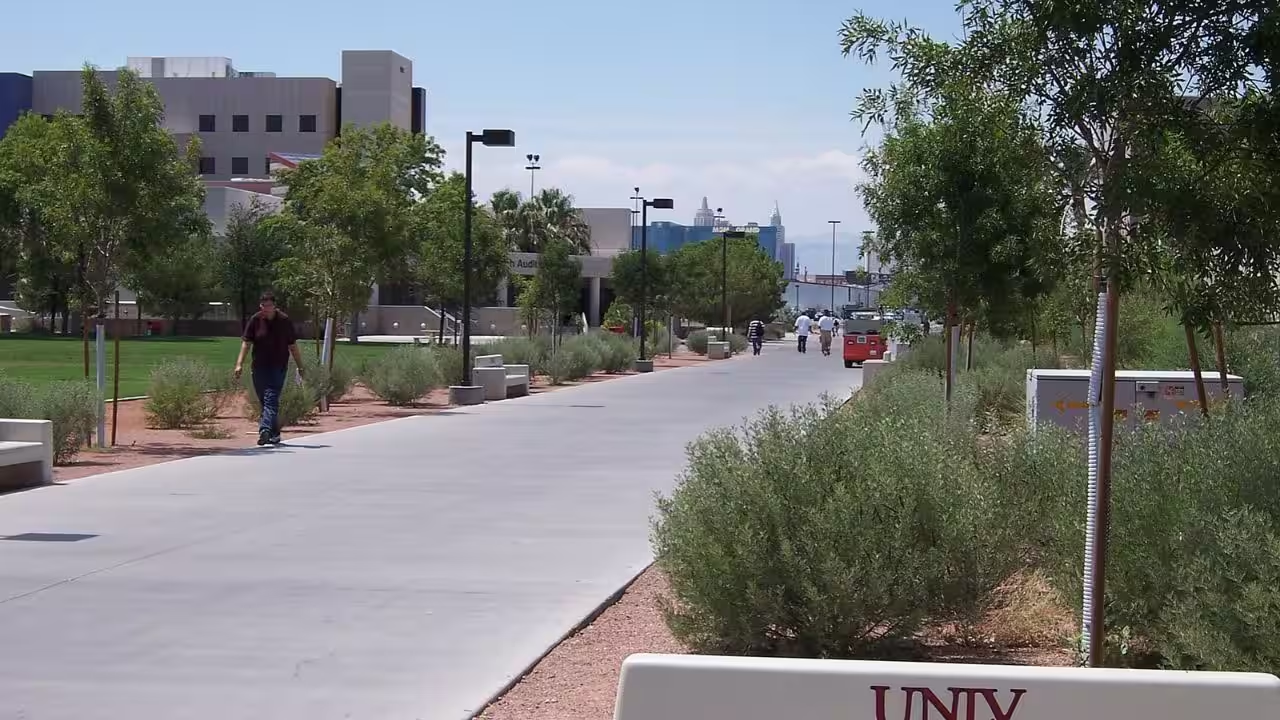
In 2007, a $1.5 million donation from Sanford and Sandra Berman helped bring the University of Nevada, Las Vegas (UNLV) debate programme back to life after nearly a decade without a team. What followed was a remarkable rise in competitive university debating, driven by dedicated students, coaching and a growing record of tournament victories. By March 2018, just 11 years after the programme's revival, UNLV had climbed to 5th place in the national varsity rankings, establishing itself among the leading college debate teams in the US.How did a $1.5 million gift revive UNLV's debate programmeThe university's debate team had a successful history before financial difficulties brought its activities to an end. Budget cuts led to the programme being dismantled in 1998, leaving UNLV without a competitive team for almost a decade.According to the university, the turning point came in 2007 when Dr Sanford and Sandra Berman contributed $1.5 million to revive the programme. Their support helped the university rebuild its team and recruit Jacob Thompson, a communication studies professor who became its coach and director.The donation gave the programme the opportunity to develop again, but establishing a nationally competitive team required more than financial backing. Students needed to develop their research, speaking and debating abilities while building the discipline required to compete against experienced university teams.Thompson's ambition was to create a team capable of winning a national championship while maintaining a strong commitment to teamwork and representing the university responsibly. That approach became an important part of the programme's development.The team established itself among the nation's leading competitorsUNLV's progress became evident within its first few years of returning to competition. In January 2012, the university announced that its Sanford I. Berman Debate Team had entered the top 10 varsity programmes nationally for the first time.According to the university, the team was tied for 10th place with Kansas State University in the National Debate Tournament rankings. It also held the highest ranking in District I, which included universities in California, Arizona and Nevada.The achievement was particularly significant because the programme had existed in its revived form for only 5 years. It demonstrated that UNLV could compete with established institutions and gave the team a stronger position in the national debating community.The university provided another example of that progress. UNLV students Sara Beth Brooks and Matt Gomez won the Las Vegas Classic Invitational Collegiate Debate Tournament, defeating a team from the University of Texas in the final.The competition featured 98 teams from 31 colleges and universities across the western and midwestern United States. Three other UNLV teams also advanced beyond the preliminary rounds into the elimination stage.Intensive preparation helped turn potential into resultsCompetitive policy debating requires participants to understand complicated subjects, construct convincing arguments and respond quickly to opposing views. At UNLV, two-person teams are expected to argue both for and against a proposed policy, giving them experience in examining an issue from different perspectives.Competitors can deliver arguments at approximately 350 to 400 words per minute, considerably faster than an ordinary conversation. The speed allows them to present numerous arguments within the time available, but it also demands extensive preparation.By March 2018, the team's training and competitive experience had produced impressive results. Senior Matthew Gomez and junior Jeffrey Horn won 71 of their 92 debates during the regular season and secured 2 tournament titles.Their performance placed the pair 3rd in the national individual team rankings. UNLV itself stood 5th in the varsity standings, ahead of established competitors including Cornell, Northwestern and Baylor.Gomez and Horn earned automatic qualification for the 2018 National Debate Tournament. Another UNLV pair, senior Roman Kezios and junior Reece Aguilar, qualified after winning the Pacific Champions Debate Tournament in February.A culture of teamwork strengthened the programmeThe university's rise was not built around a single successful partnership. By 2018, the squad consisted of eight 2-person teams, with competitors participating at novice, junior varsity and varsity levels according to their experience.The team's preparation involved substantial time outside regular classes. Gomez and Horn spent approximately 40 to 50 hours each week refining arguments, reviewing evidence and preparing for competition, with their workload increasing before major tournaments.Thompson attributed the programme's improvement to a positive atmosphere, shared effort and the team's growing history of success. The approach also created opportunities for students who had never debated before. Thompson emphasised that undergraduates from different academic backgrounds could join the programme if they were prepared to work hard and develop their abilities.The university explains that alumni have gone on to work in higher education, law, politics and both the public and private sectors. The programme also aims to encourage informed public discussion and improve access to debating opportunities for younger students. Through its summer debate camp, the team mentors middle and high school pupils, helping hundreds of young debaters develop their skills.You use AI every day. Now get your AI Quotient. Take the AIQ test.
Topics in this story
Gathered from external sources. Rights to this text belong to whoever originally published it.