A Texas family bought more than 3,000 acres along the Rio Grande and gave 586.9 acres to the state for just $1; the land became a state park
Along the Rio Grande in southern Texas, a family bought more than 3,000 acres of land in the late 1930s, as an old settlement in the area faded into
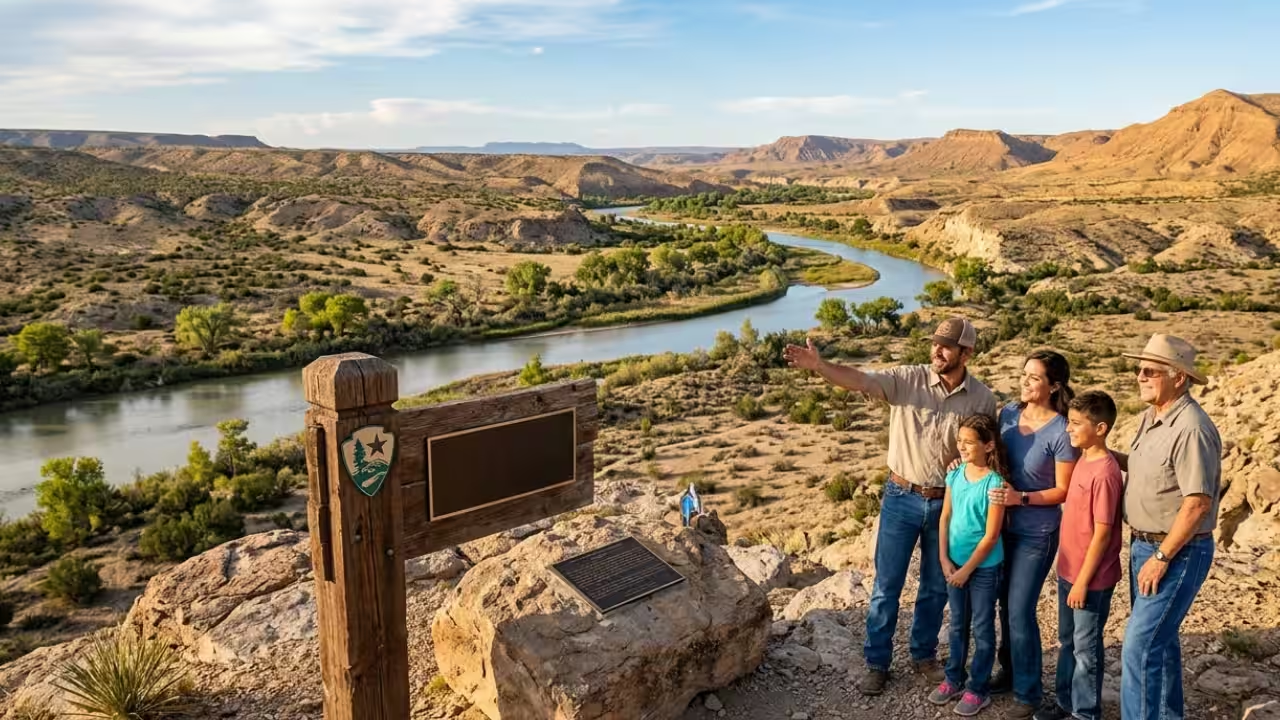
Along the Rio Grande in southern Texas, a family bought more than 3,000 acres of land in the late 1930s, as an old settlement in the area faded into history. Much of the property was developed, but a stretch of woodland known for its Texas ebony trees was kept intact. As reported by Texas Parks & Wildlife, in 1944, the Bentsen family transferred 586.9 acres to the state for just $1, under an agreement that the land would be used for a public park. The gift laid the groundwork for Bentsen–Rio Grande Valley State Park, which opened in 1962, preserving part of the valley’s distinctive landscape.Bentsen–Rio Grande Valley State Park traces its roots to Spanish land grantsLong before the Bentsen family acquired the property, the land formed part of a much older pattern of settlement along the Rio Grande. Spanish settlers arrived in the area during the 1740s. In 1767, colonial authorities distributed large parcels through a system of land grants known as porciones, which were assigned to individuals.The ground occupied by the present-day state park was once included in Porcion 50, associated with José Antonio Zamora. Over the following decades, the original grants were divided into smaller holdings, and settlements developed along the river. The landscape was not untouched wilderness, even then. People had lived and worked on the land for generations, and the history of ownership stretched back well before the modern Texas border took shape.How the Bentsen family preserved the Texas ebony woodlandOne of the small communities that emerged in the area was called Las Nuevas. By the late 1930s, however, the settlement had been abandoned. As reported, around that time, the Bentsen family purchased more than 3,000 acres from land that had once formed part of the original Spanish grant.The family went on to develop more than 2,000 acres north of the land that now makes up the state park. A separate portion was left undeveloped because of its stands of Texas ebony trees, which helped distinguish the property from the surrounding landscape. Those trees became a defining feature of the land the family would eventually place in public ownership.The decision meant that a section of the former land grant would not follow the same path as the family's developed holdings. The woodland remained in place, preserving an area of the Rio Grande Valley's natural landscape.Bentsen family donated 586.9 acres under a public park agreementIn 1944, the Bentsen family donated 586.9 acres of the former Porcion 50 to the Texas Parks Board. The stated payment was just $1, an amount recorded in the agreement transferring the land to the state.The arrangement came with a specific condition. The property had to be used for public park purposes and maintained and identified as Bentsen Rio Grande Valley State Park. It was not simply a transfer of acreage without restrictions; the contract established the intended public use of the land.The donation took place nearly two decades before the park opened. In the intervening years, the land remained set aside for the purpose specified in the agreement, while the family’s wider holdings had already undergone development.How the $1 land transfer led to Bentsen–Rio Grande Valley State ParkBentsen–Rio Grande Valley State Park officially opened in 1962, giving the preserved woodland a permanent place within Texas's state park system. Located a few miles southwest of Mission, the park occupies part of a landscape shaped by centuries of settlement, land division and changing patterns of ownership.Its origins are unusual in one particular respect: the state received the land for a nominal sum, but the transfer was made with a clear commitment about how it should be used. The 586.9 acres had been retained from a much larger family purchase, and their preservation helped establish the public park that exists today.You use AI every day. Now get your AI Quotient. Take the AIQ test.
Topics in this story
Gathered from external sources. Rights to this text belong to whoever originally published it.