At Blenheim Palace, a Roman sarcophagus served as a water feature and garden container for nearly a century; experts identified it as 1,700 years old and moved it indoors
A 1,700-year-old Roman sarcophagus repurposed as a flowerpot was recently identified at Blenheim Palace. Experts moved the remarkable artifact indoors after its rediscovery, highlighting its connection to ancient mythology and Roman burial customs.
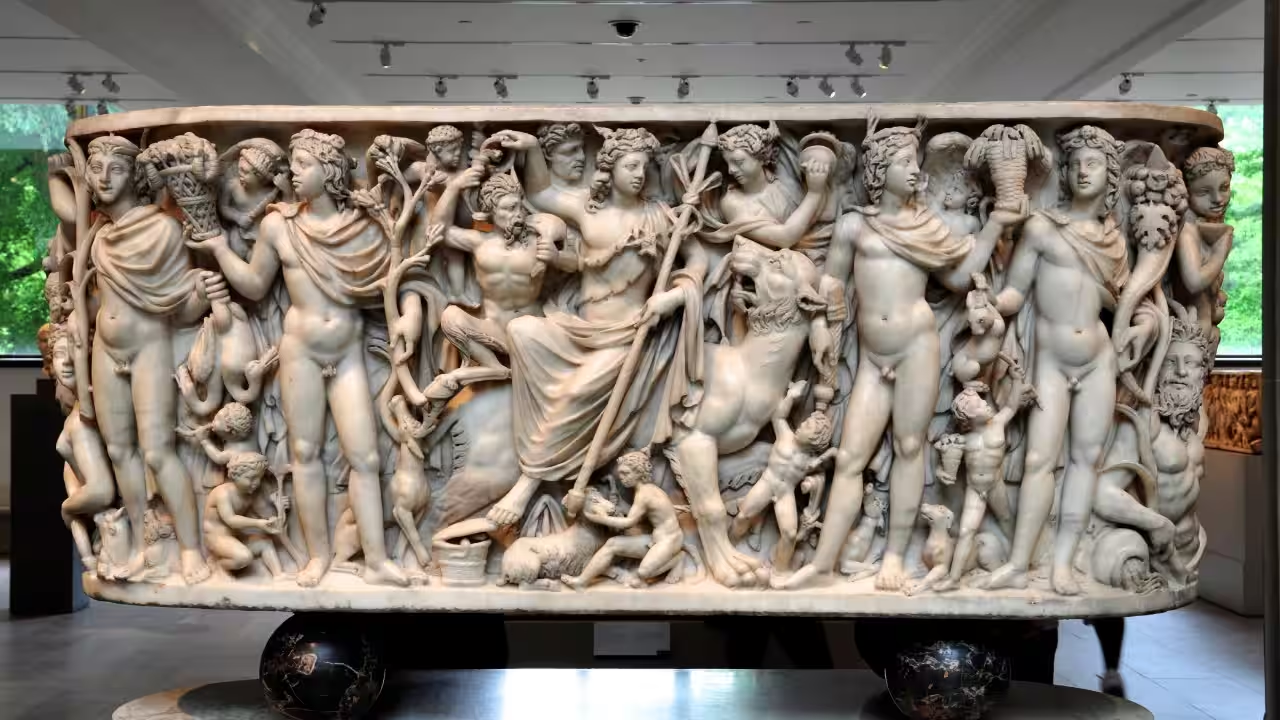
A container holding tulips in the grounds of Blenheim Palace had spent nearly two centuries away from its original purpose. According to the BBC, its carved marble front had a direct link to a Roman sarcophagus made around 300 AD. The object had been repurposed at first as a water feature and later used as a garden container. When an antique specialist, during an unrelated visit, stumbled upon the relic, its identity came to light after he recognised it. Over the following months, its removal, conservation and transfer to an indoor display were orchestrated.The mythology carved into the marble The container’s panel depicts Dionysus, the Greek god associated with wine and festivities, accompanied by a satyr. Around him are members of his mythological cult, including Hercules and Ariadne. The story goes that Theseus killed the Minotaur and rescued Ariadne from the labyrinth, but on the island of Naxos he ended up leaving her, and Dionysus found her there. The composition reflects the Roman tradition of placing scenes from Greek mythology on burial monuments.To understand what Blenheim had, Heather T. Awan’s essay Roman Sarcophagi, published by the Metropolitan Museum of Art on 1 April 2007, explains how these objects came to follow the inhumation practices of the Greeks and Etruscans. The word ‘sarcophagus’ comes from the Greek for flesh-eaters; in essence, it was a stone coffin used for full-body burials. The Romans adopted this funerary practice in lieu of their earlier method of cremation. During the 2nd and 3rd centuries, it became a trend throughout the empire, which is the period Blenheim’s piece comes from.Marble was particularly prized, and the Blenheim panel is white marble. The subject of these sarcophagi consisted of mythical narratives, garlands, hunting scenes, battles and episodes from the deceased person’s life. By Awan’s account, Dionysus scenes like Blenheim’s were interpreted as a celebratory expression and emancipation from the world. In the same vein, associations between the god’s cult and a pleasurable afterlife may have also influenced their use.The Blenheim carving fits this wider artistic tradition. Its figures are derived from Greek mythology, but their placement on the burial monument gave the scene a funerary vibe. Only its front part survived, while its base was missing. The sides and back had been replaced with other stone sections, and the carved fragment functioned as a container. The History Blog records the panels as approximately 6ft long, 2 and a half feet high, and 6 inches thick, weighing around 550 pounds.From a spring basin to a palace conservation According to the History Blog, it is believed to have been acquired in the early 1800s by George Spencer-Churchill, the 5th Duke of Marlborough, Winston Churchill’s great-grandfather. However, the palace archives have no records of its arrival, or whether the duke had received it as a gift or where it came from. This much is clear: the duke was an avid collector of art and antiques.The BBC reported that the marble container was used by the duke as a water feature. It served to collect water from a natural spring near the estate’s Great Lake until it was relocated to a rock garden. This manner of using it actually had a historical precedent attached to it. It was a traditional practice of placing the ancient sarcophagi in the gardens during the 18th-century Grand Tour. In other words, when wealthy young travellers returned from Europe, they brought these classical antiquities along with them. Because of their size and shape, they were often reused as containers.After the identification, Nicolas Banfield stepped in and took charge of the object’s removal and restoration. Leading a team, they detached the marble from the lead cistern and transported it to their workshop. Describing the surviving front panel, Banfield said it was in remarkable condition given the seemingly aggressive environments it had withstood.The accumulated mineral deposits were removed by water and wooden picks while other processes involved cleaning, repair and stabilisation. It took over six months to do all this, after which it returned to Blenheim Palace. House manager Kate Bellenger welcomed its return and noted that keeping it indoors would protect it from outside elements. The BBC reported that the object was valued at £300,000.You use AI every day. Now get your AI Quotient. Take the AIQ test.
Topics in this story
Gathered from external sources. Rights to this text belong to whoever originally published it.