In 1974, Houston replaced most of an asphalt road base with incinerator ash; 3 years later, the 89% waste mix was performing almost like conventional pavement
In a groundbreaking project in 1974, Houston utilized incinerator ash in road construction, achieving impressive performance results that paved the way for sustainable, waste-based materials in infrastructure. Discover how this early experiment transformed urban road-building practices and addressed waste disposal challenges.
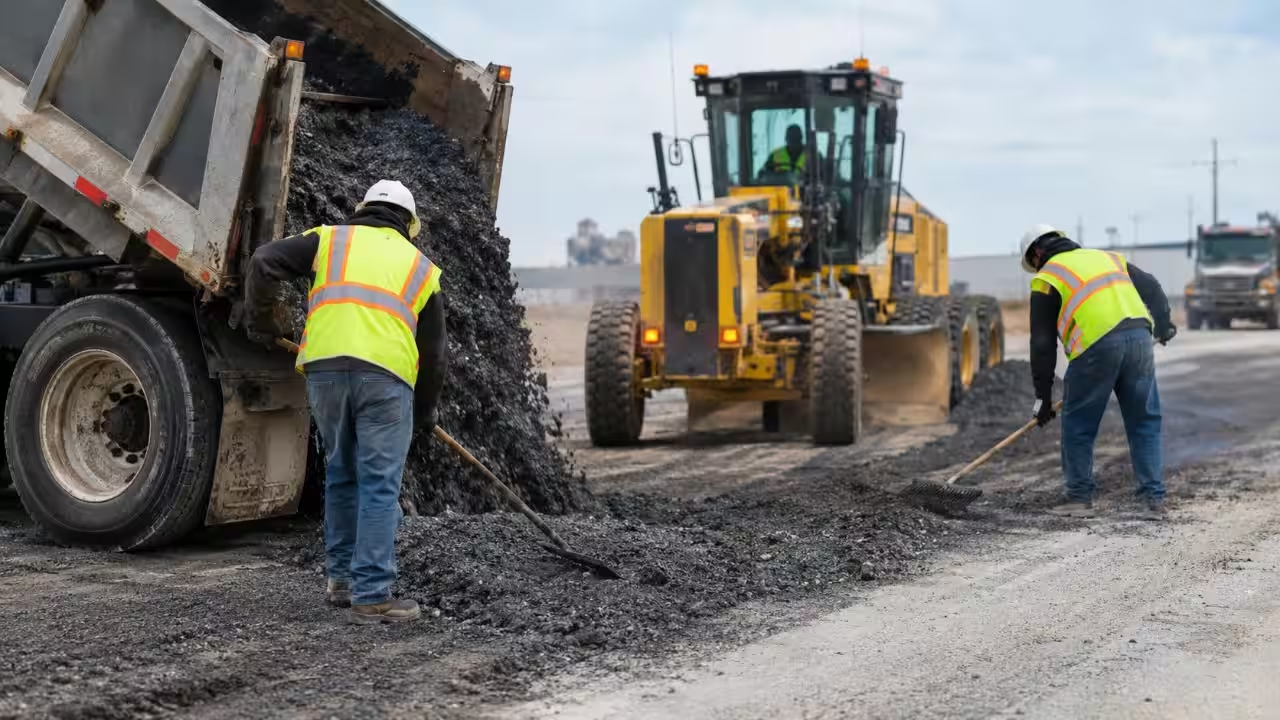
In 1974, Houston, Texas, tried an unusual material for road construction: ash left behind after municipal waste was burned. Instead of sending the residue to landfill, engineers used it in an asphalt concrete base course on a city street. Three years later, the experimental section was reported to be performing almost like a conventional asphalt pavement. According to the US Department of Transportation’s ROSA P. collection, the project was an early example of turning a difficult waste stream into a construction material. The mix contained 89% incinerator ash, 9% asphalt and 2% lime by weight, meaning that most of the material in the experimental road base came from waste rather than newly quarried aggregate.A road base made largely from wasteIn the Houston experiment, engineers used littercrete, a stabilised asphalt material in which incinerator waste replaced much of the conventional aggregate. The experimental and control sections were laid on a municipal street, with an asphaltic layer placed over the base. After three years of traffic, a 1977 study compared the littercrete section with a conventional hot-mixed asphaltic concrete base, known as blackbase. Researchers assessed the road through field observations and tests on core samples taken from the pavement.The results were encouraging. The littercrete section was reported to be performing well and was described as almost identical in appearance and performance to the conventional control section. The report's reference to an 89 per cent waste content described the composition of the littercrete mixture by weight.What happened after three years?This project was part of a broader effort to find a use for the ash left behind when municipal waste was burned. Incineration reduced the amount of waste going to landfill, but it also created a new problem: what to do with the ash. Road construction seemed like a practical option because asphalt mixtures already required large amounts of aggregate.A later Federal Highway Administration review recorded several projects that tested municipal waste combustor ash in roads. In Houston's 1974 project, the aggregate used in a six-inch road base consisted entirely of incinerator ash. The littercrete mixture itself was different. By total mixture weight, it contained 89 per cent incinerator ash, 9 per cent asphalt and 2 per cent lime. Another Houston project in 1977 used a road-base mixture containing 70 per cent ash.These projects showed that incinerator ash could be used in road construction rather than simply being sent for disposal. However, they were still demonstration projects, so they did not establish that ash could replace conventional road materials on a large scale. They were early attempts to turn a waste product from incineration into a useful construction material.An early lesson in waste-based constructionHowever, what made the Houston road project noteworthy was that it showed an asphalt base containing a large proportion of incinerator ash could remain serviceable for several years under traffic. Environmental concerns were also part of the discussion. Municipal waste incinerator ash can contain soluble salts and trace metals, making proper processing and testing important before it is considered for construction use. Historical FHWA reports on the use of incinerator ash in construction identified advantages such as high stability and low unit weight, but those findings related to the projects and assessments of that period rather than a current recommendation for the unrestricted use of municipal waste incinerator ash.A study in the Journal of Cleaner Production found that the performance of asphalt mixtures containing municipal solid waste incinerator bottom ash depended on factors such as ash porosity and replacement rate. Higher ash contents could reduce high-temperature rutting resistance, while certain ash characteristics could improve moisture and low-temperature performance. Thus, the test Houston carried out in 1974 is located in an interesting position within the chronology of circular construction. The test suggests that waste material, which had hitherto been thought of as a waste product fit only to be disposed of in the incinerator, can actually be used to construct functional roads. The test does not present a method for building such roads, but it demonstrates their feasibility.You use AI every day. Now get your AI Quotient. Take the AIQ test.
Topics in this story
Gathered from external sources. Rights to this text belong to whoever originally published it.