Apple's new Siri-infused HomeView hub might be too little, too late
With Siri AI still rolling out and the original Amazon Echo Show being nearly a decade old, can Apple convince the masses that their next $299 should go towa...
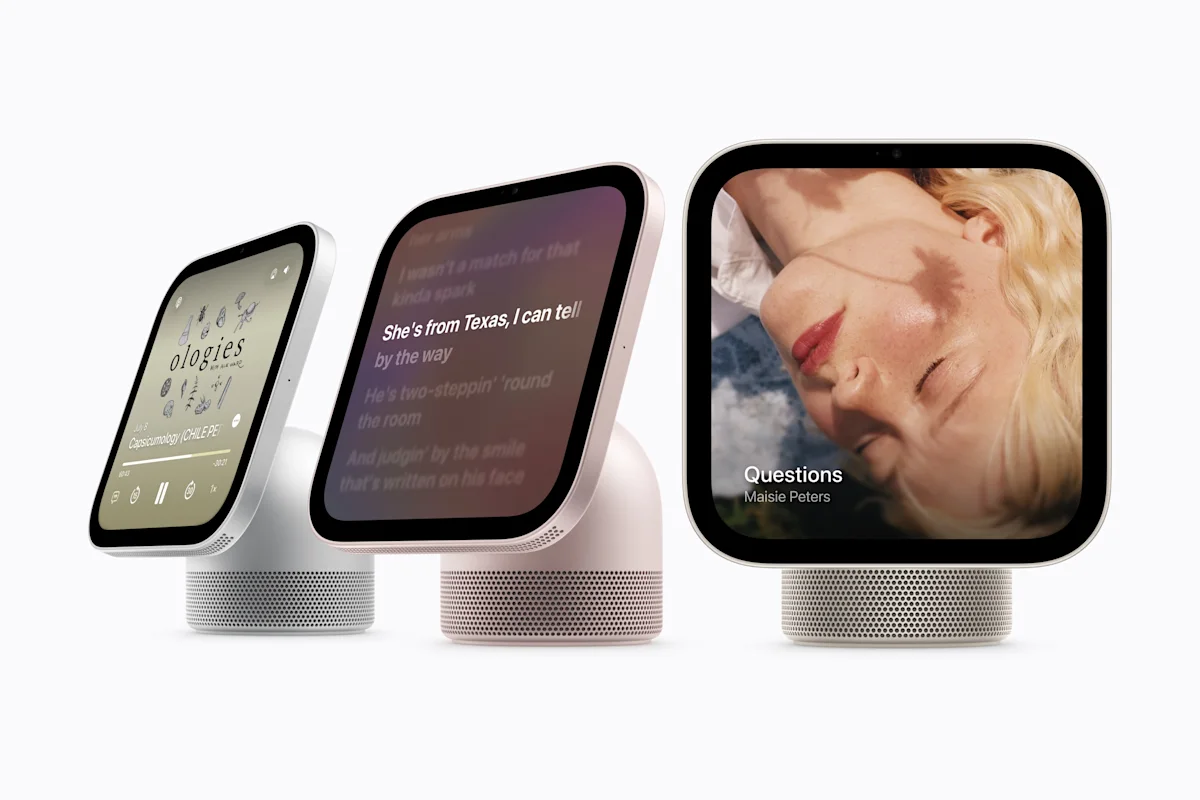
After months of rumors, Apple is officially (and finally) making its biggest effort yet to grab a piece of the smart home pie. The iPhone maker announced the $299 HomeView on Tuesday, its first smart hub designed to put Siri front-and-center in people's homes. HomeView comes as a countertop device, or a slab you can mount to the wall, both with touchscreens, cameras and the ability to hear and execute Siri voice commands.
This is Apple's first dedicated smart home hub ever, and it supports the numerous reports suggesting the company wants to make inroads in the home space. HomeView is designed to be stationary, and it not only connects all of your compatible devices together — things like smart lights, door locks and sensors (including the new Apple Home Collection ) — but also lets you control them using either the on-screen interface or Siri voice commands.
But Apple may have a hard time convincing people to add yet another iPad-like screen to their homes, particularly one that emphasizes Siri. The new Siri, known as Siri AI , had a much delayed rollout and is only now available to users with the latest iPhones and devices running iOS 27 . Previously, Siri wasn't the most convenient voice assistant to use, nor the most helpful . Apple has a long way to go to catch up to the likes of Amazon's Alexa and Google's Assistant (now Gemini), and to make up for years of Siri being just meh. Plus, it's very late to the smart display party.
To give credit where credit is due: Apple has certainly made progress with Siri. The new Siri AI is better at answering questions with greater detail than before, and it can include personal information from your calendar, Messages and other apps in its answers. This will likely come into play with the HomeView's ability to recognize different users by their faces via the built-in camera and present personal information to them.
But doing things that Alexa and Google have been able to do for a long time is just table stakes at this point. People barely want to use Siri on their iPhones; Apple not only has to prove Siri AI is good enough for people to want to use, period, but now it also has to show it's good enough to justify a separate, $299 device. With continuously skyrocketing tech prices , this may be a particularly tough sell.
The fact that Apple is so late here is also working against the company. Amazon's original Echo Show came out in 2017, and Google's first Nest hub debuted in 2018. This isn't the first time Apple came into a space late of course — it has a habit of doing that and still coming out on top — but launching a device like this in 2026 feels a bit stale. Smart home hubs remain important for those building out connected spaces with dozens of devices, but plenty of smart home gear works over Wi-Fi now, no hub required.
Privacy could be a selling point for HomeView, and it's an area where Apple has excelled in the past. Indeed, Apple is already emphasizing the privacy aspects of HomeView: the device runs on the A18 chip and includes Secure Enclaves, which are protected and compartmentalized, and process camera and microphone data. According to Apple, data processed by Secure Enclaves "cannot be accessed by the HomeView software, apps, the user, or Apple." Siri requests on HomeView can make use of on-device processing as well as Private Cloud Compute.
Apple's $299 HomeView is available for pre-order today, and will be widely available on November 13.
Topics in this story
Gathered from external sources. Rights to this text belong to whoever originally published it.