Trump needs to be bold, direct with Xi over Taiwan dispute
As Trump’s prospects for electoral redemption seemingly sink into oblivion, his negotiating position confronting Xi on trade and Taiwan are at the vanishing point.
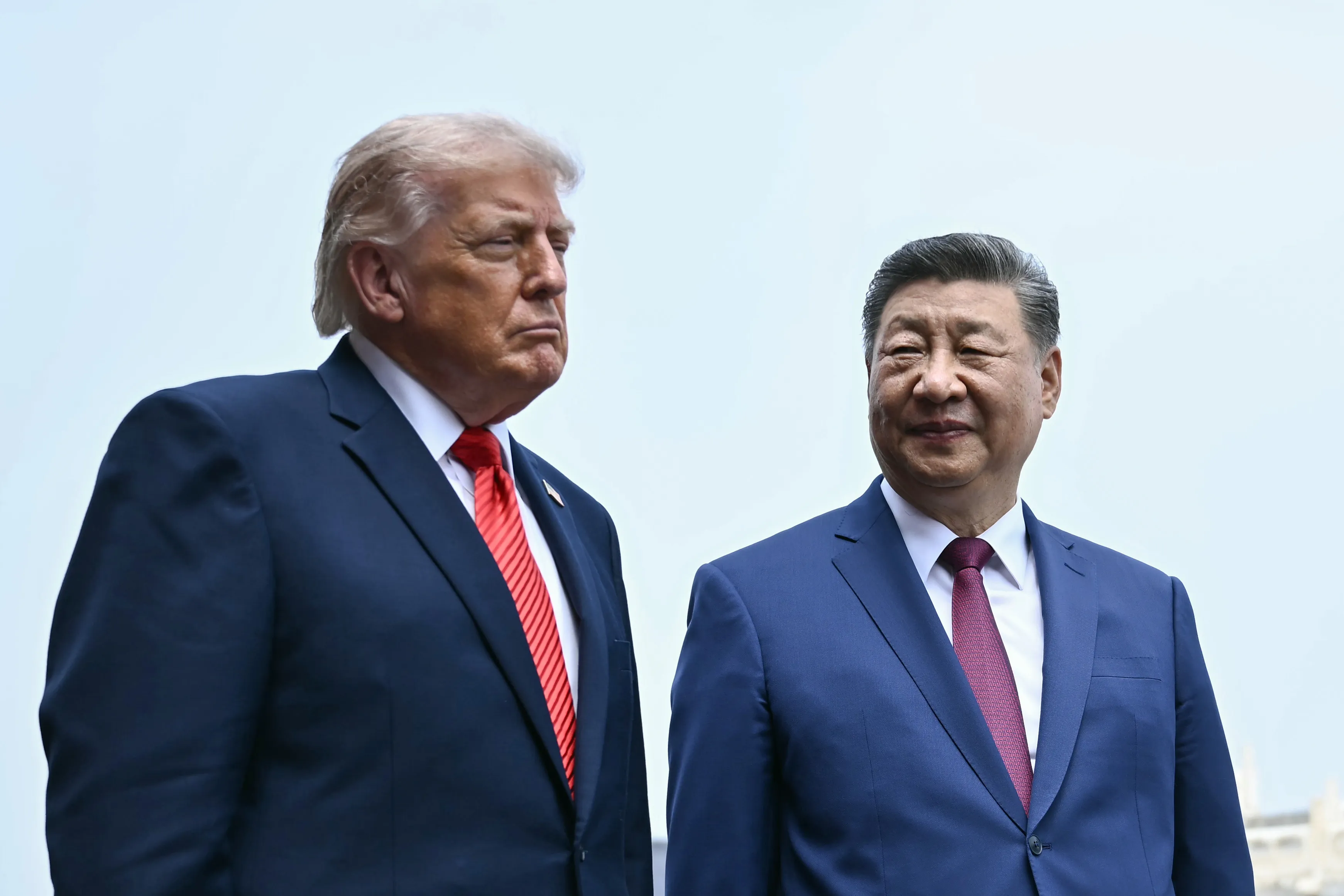
U.S.-China summit meetings always have the potential for major developments, with historic international consequences. This week’s discussion in Washington between President Trump and Chinese leader Xi Jinping promises to be more consequential than most. That it is being held in D.C. rather than Beijing is a small blessing for the U.S. national interest and for long-term international security.
U.S. presidents have tended to ingratiate themselves with adversarial Chinese hosts by making ill-advised, gratuitous concessions to China regarding Taiwan’s fate. Richard Nixon in 1972 set the stage for formal de-recognition of Taiwan in the Shanghai Communiqué, officially consummated by Jimmy Carter. Bill Clinton, despite having been advised not to do so, announced the “three nos” during his June 1998 visit to China: no U.S. support for Taiwan independence, no “Two Chinas” policy and no support for Taiwan’s official participation in international organizations.
Having the meeting on America’s home turf just weeks before the midterm elections should give a small negotiating advantage to Trump. Though marginal, it is better than providing even a slight edge to Chinese hosts who know how to exploit it over the long run. But then Trump could squander his home-court advantage if he appears over-eager, even desperate, for a negotiating “win” to boost sagging Republican prospects in November .
While achieving a “successful” trade deal will be a paramount objective for Trump , Xi will surely seek some rhetorical concession that can be seen as softening the U.S. strategic and moral commitment to Taiwan’s defense . That possibility, conveying weakness in the face of Xi’s dominance, could damage Trump politically even further.
Xi has already laid the groundwork for such a scenario with his and his subordinates’ explicit warnings to the U.S. president to tread carefully on the Taiwan issue. It is noteworthy that Trump has never responded in kind to such implied threats, instead insisting that he and Xi have a “ great ” and “ friendly ” relationship. This echoes the things Trump said about Xi’s good intentions during the COVID pandemic ; only when it was obvious to all that Xi had deceived him about the growing danger to Americans, at the eventual cost of a million U.S. lives , did he publicly admit to being a little “ unhappy ” with his supposedly friendly Chinese interlocutor. But Xi soon deployed his ego-massaging weapons, and in Trump’s second term all is now forgiven .
Fool me once, shame on you. Fool me twice …
As Trump’s prospects for electoral redemption seemingly disappear , his negotiating position confronting Xi on trade and Taiwan are also diminishing. Xi knows this, and could offer Trump a modest trade victory in exchange for some innocent-sounding language on Taiwan — e.g., that both China and the U.S. will cease sending weapons or forces to the Taiwan Strait to avoid the kind of confrontation that is now interfering with free navigation in the Gulf of Hormuz . Trump should reject any such offer, and seriously consider hurling a “Hail Mary” of his own.
Once Xi has landed in Washington, Trump should let it leak out that he intends to propose a bold resolution of the Taiwan issue that will restore peace and security to the region. In his welcoming remarks, he should call upon Xi to renounce permanently the use of force by China against Taiwan, in exchange for Taiwan’s pledge not to declare formal independence for the next 10 years or until Xi leaves office, whichever occurs later. In all other respects, Taiwan will retain its de facto independence and democratic system, with full U.S. military backing.
Trump should commit the U.S. not only to defend Taiwan but to recognize its independence immediately upon Chinese exercise of force against it. In doing so, he will defy China’s threat that “ independence means war ” and declare instead the reverse: war means independence. The explicit commitment will eliminate once and for all Washington’s policy of strategic ambiguity that was first articulated by the Clinton administration.
Joseph Bosco served as China country director for the secretary of Defense from 2005 to 2006 and as Asia-Pacific director of humanitarian assistance and disaster relief from 2009 to 2010. He is a nonresident fellow at the Institute for Corean-American Studies, a member of the advisory board of the Global Taiwan Institute and member of the advisory board of the Vandenberg Coalition.
Topics in this story
Gathered from external sources. Rights to this text belong to whoever originally published it.