A barber who carved a wooden elephant for his wife in the 1920s went on to create a remarkable collection of sculptures now preserved in a museum
In the late 1920s, Elijah Pierce made a small wooden elephant for his wife, a modest gift that gave him a reason to keep carving.
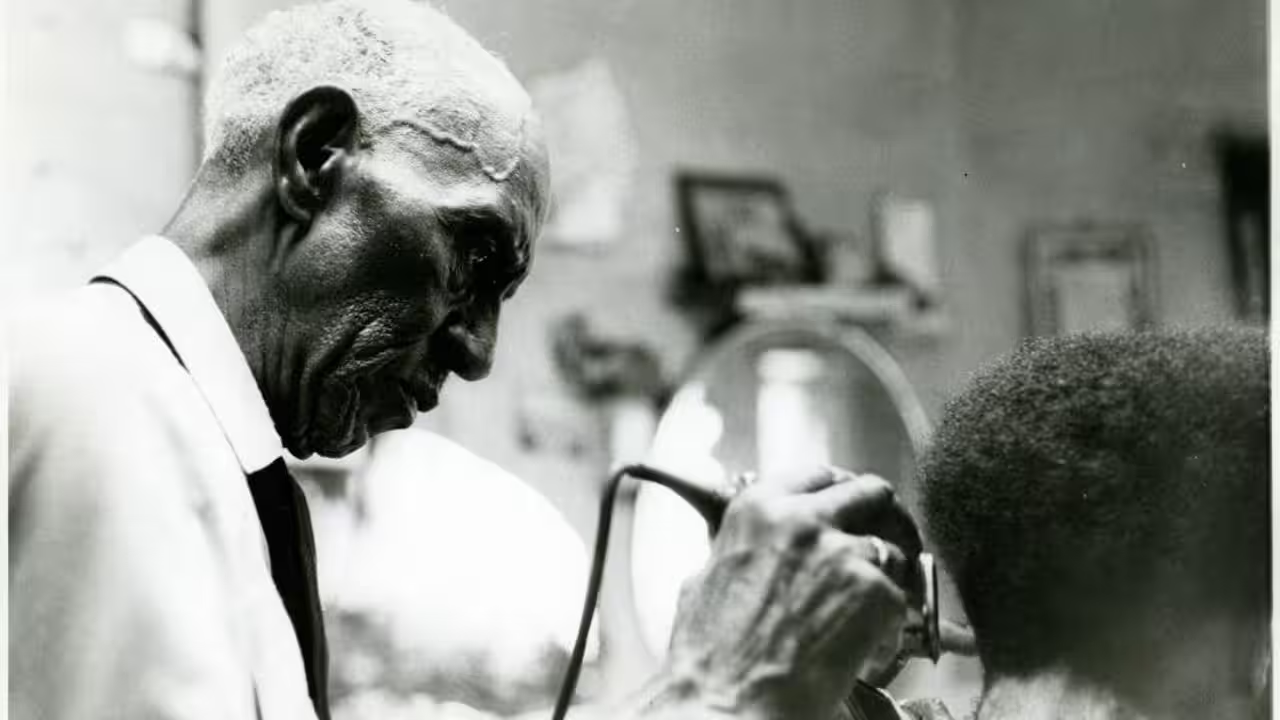
In the late 1920s, Elijah Pierce made a small wooden elephant for his wife, a modest gift that gave him a reason to keep carving. He worked as a barber in Columbus, Ohio, and fitted the hobby around the demands of his shop. What began with a single animal gradually expanded into a much larger body of work, including carved figures drawn from his religious beliefs and memories of childhood. Pierce had been interested in carving since he was young, long before he settled into barbering. Decades later, his sculptures became part of a collection held by the Columbus Museum, where more than 100 examples of his work documented an artistic practice that had developed over a lifetime.Elijah Pierce’s childhood on a Southern farm sparked an early interest in carvingPierce grew up in the rural South, where his father expected him to work on the family farm alongside his brothers. The work did not appeal to him in the same way it did to the other boys. He preferred to spend time outdoors, using the trees around his home as places to cut names, animals and small figures into the bark. The activity gave him an early opportunity to make things with his hands, even though it was far removed from the work his family expected him to do.Pierce later described himself as an unusual child because of his reluctance to follow the same path as his brothers. His interest in carving was already apparent, but it was not yet a settled occupation. As a teenager, he left home and travelled across the country, riding freight trains and moving between places before eventually making his way to Columbus. There, he established a barber shop and built a working life that would provide him with the time and space to continue carving.How a wooden elephant inspired Elijah Pierce to build a carved animal collectionThe small elephant Pierce carved for his wife in the late 1920s marked a turning point in his work. She liked the gift, encouraging him to make more. He began thinking about creating a whole collection of animals, rather than treating each carving as an isolated piece. The idea developed into what he imagined as a wooden zoo.His barber shop became the setting for much of this activity. Between appointments and during quieter moments, he worked on his sculptures while continuing to earn his living cutting hair. Barbering remained his profession, but carving occupied the spare hours that might otherwise have been left unused. The two activities continued side by side for years, with the shop serving both its everyday purpose and, in a sense, as a place where his collection took shape.Pierce had been carving since childhood, yet his wife's encouragement gave him a more defined project to pursue. From there, the range of subjects he worked on grew beyond animals.Elijah Pierce saw his carving talent as a gift from GodPierce's work increasingly reflected the religious experiences of his upbringing. Biblical stories and figures became recurring subjects, alongside the animals that had first inspired his carving. His sculptures drew on scenes and teachings he had encountered as a child, translating familiar religious narratives into forms he could shape from wood.He regarded his ability as a gift from God. For Pierce, carving was connected to the religious message he wanted to communicate, even though he had not delivered every sermon he might have imagined preaching. He described his purpose in terms of making the sermons he had never preached, a phrase that linked his creative work to his faith.From a barber shop to a museum collectionPierce continued to carve while working as a barber in Columbus, developing a body of work that encompassed animals, human figures and religious scenes. His route into sculpture had not followed formal artistic training. It began with a childhood habit, continued through years of working life and gained fresh direction after he made a gift for his wife.The Columbus Museum eventually held more than 100 of his carvings, preserving a substantial selection of objects produced through this long-running practice. The collection brought together works associated with different aspects of Pierce's interests, from the animals that followed the elephant to figures inspired by biblical narratives. Seen together, they offered a record of how his carving developed beyond its original purpose as a personal pastime.You use AI every day. Now get your AI Quotient. Take the AIQ test.
Topics in this story
Gathered from external sources. Rights to this text belong to whoever originally published it.