Dussehra 2026: Date, Time, Puja Vidhi, Shubh Mahurat and all you need to know
Dussehra, also called Vijayadashami, falls on Tuesday, October 20 this year.
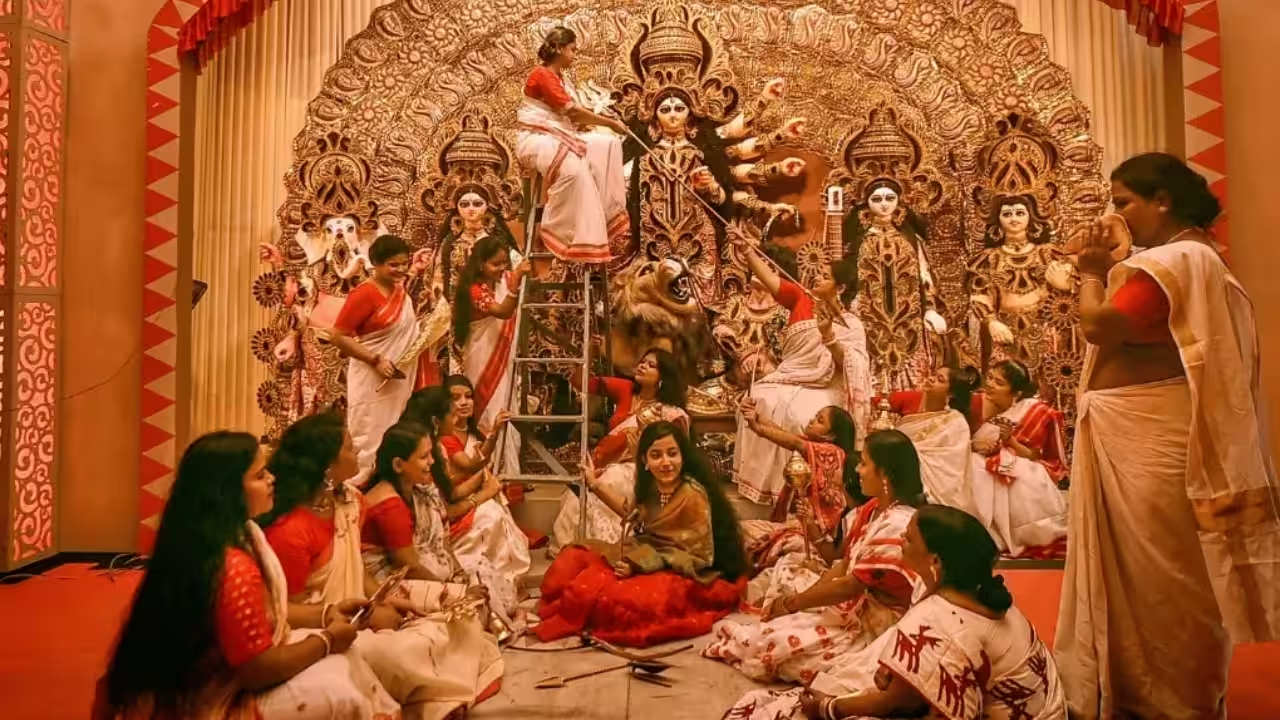
Dussehra, also called Vijayadashami, falls on Tuesday, October 20 this year. It’s the day Hindus celebrate the victory of good over evil, and for most families that means morning prayers, a trip to the Ramlila ground by evening, and a crowd staring up at a tall Ravan effigy waiting to be lit. Behind the festival are two stories: Lord Rama’s defeat of Ravana, and Goddess Durga’s defeat of the demon Mahishasura. Which one people think of first depends a lot on where they grew up.Date and shubh muhuratVijayadashami is observed on Dashami, the tenth day of the bright fortnight of Ashwin. Hindu festivals follow the lunar calendar, and local customs vary, so the exact day or hour can shift from one region to another.These are the Drik Panchang timings for New Delhi:Dussehra / Vijayadashami: Tuesday, October 20, 2026Dashami Tithi begins: 12:50 PM, October 20Dashami Tithi ends: 2:11 PM, October 21Vijay Muhurat: 1:59 PM to 2:45 PM, October 20Aparahna Puja time: 1:14 PM to 3:30 PM, October 20Shravana Nakshatra begins: 3:38 PM, October 19Shravana Nakshatra ends: 6:02 PM, October 20Vijay Muhurat is traditionally seen as a good window to begin something important, whether that’s a new job, a purchase or a fresh project. Aparahna, the early-to-mid afternoon, is when Shami Puja and Aparajita Puja are usually performed. Keep in mind that these times are for New Delhi. If you live in another city, look up your local Panchang before planning anything, because the timings will be a little different.Why Dussehra is celebratedThe festival has two origin stories, and neither cancels out the other.The first comes from the Ramayana. Ravana, the king of Lanka, abducted Sita. Rama went after her with his brother Lakshmana, Hanuman and an army of allies, and the war that followed ended with Ravana’s death and Sita’s return. Ravana wasn’t a crude villain in most tellings. He’s described as scholarly, skilled and enormously powerful, which is exactly why his fall is told as a warning about pride. He had everything except the ability to accept he was wrong.The second story is about Durga. Mahishasura was a demon who had grown strong enough to threaten the gods themselves, and none of them could stop him alone. Durga could. After a long battle she defeated him, and Vijayadashami marks that win.The two stories look different, but the lesson is the same. Strength doesn’t make anyone righteous, and power with no restraint usually ends badly for the person holding it.What Ravan Dahan really meansAcross much of northern India, Dussehra ends at dusk with giant effigies of Ravana, often standing beside his son Meghnad and his brother Kumbhakarna, being set on fire. Fireworks go off inside them, the crowd cheers, and kids on their fathers’ shoulders try to get a better look. Plenty of people head home with a box of jalebis afterward.It’s easy to treat it as just a show, but there’s more to it. The burning is a public way of rejecting wrongdoing. In popular retellings, Ravana’s ruin comes from arrogance and from refusing to respect another person’s choices, and many people take the ritual as a nudge to check their own behaviour. Dishonesty, cruelty, misusing authority, assuming that rank means you never have to answer for anything: these are the “Ravanas” most of us actually deal with.Not every region burns effigies, though. In several places the day is about Durga, or about temple ceremonies, and there’s no Ravan Dahan at all.How the festival changes across IndiaDussehra isn’t one celebration. It’s several, and they look very different depending on where you stand.North India: Ramlila performances stage episodes from the Ramayana, often over many nights, and build toward Ravan Dahan on Dussehra. For a lot of children, this is where they first hear the story properly, long before they read it anywhere.West Bengal: Vijayadashami is the last day of Durga Puja, and the mood is closer to a farewell than a victory party. Idols of the Goddess are taken for immersion in many communities. Going by the Panchang timings provided, Bengal observes Vijayadashami on Wednesday, October 21 in 2026.Karnataka: Mysuru is known for its grand Dasara celebrations, a large public affair that draws visitors from well outside the state.Southern and western India: The day is observed through temple rituals, family gatherings and regional customs, many of them quite different from the northern Ramlila tradition.Nepal: The related major festival is called Dashain.Despite the differences, certain things carry across all of these. There’s food, there’s music, there’s theatre, and there are rituals that bring neighbours together. Each generation inherits the same stories and ends up telling them a little differently, which is probably why the festival has lasted this long.The dates in shortMost of India celebrates Dussehra on Tuesday, October 20, 2026. Bengal Vijayadashami follows a day later, on Wednesday, October 21. Whichever day applies to you, the idea at the center stays the same: it’s worth asking what winning actually means, and what choices make it possible.Get the latest movie news, reviews, and celebrity updates. Download the TOI App.
Topics in this story
Gathered from external sources. Rights to this text belong to whoever originally published it.