Trump officially signs Russia sanctions bill into law
President Trump officially signed the Russia sanctions bill into law Friday, which authorizes further sanctions and tariffs against Russia amid the Kremlin’s ongoing conflict with Ukraine. The bill — championed and named after late Sen. Lindsey Graham (R-S.C.) — calls for the president to impose tariffs of up to 100 percent on the top five…
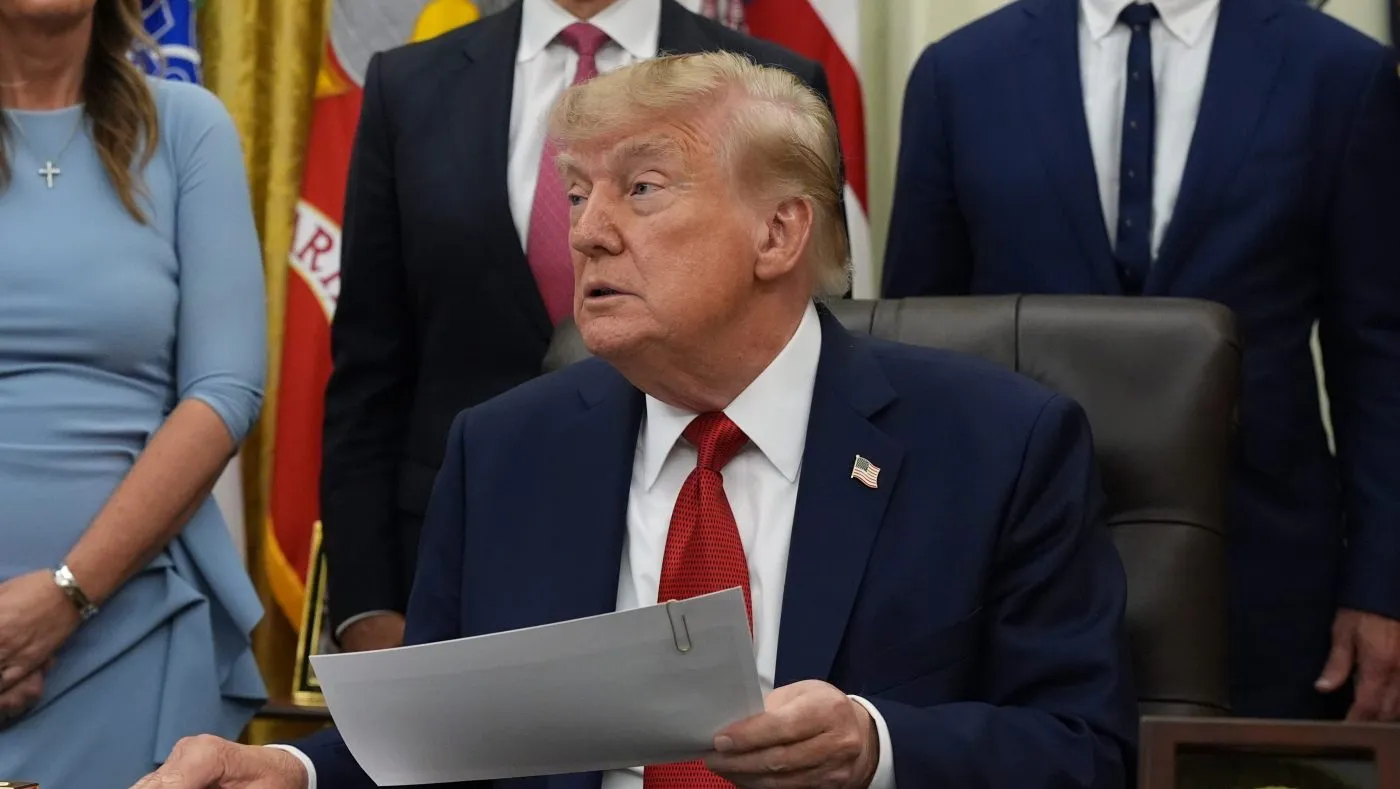
President Trump officially signed the Russia sanctions bill into law Friday, which authorizes further sanctions and tariffs against Russia amid the Kremlin’s ongoing conflict with Ukraine.
The bill — championed and named after late Sen. Lindsey Graham (R-S.C.) — calls for the president to impose tariffs of up to 100 percent on the top five purchasers of Russian energy, or on countries helping Russia evade sanctions — even extending current sanctions on Iran.
Drafters of the bill, Graham and Sen. Richard Blumenthal (D-Conn.), intended for the sanctions to target resources Russian President Vladimir Putin needed to continue Moscow’s war effort.
Ukrainian President Volodymyr Zelensky thanked the president on social media for signing the “critically important” legislation.
“I thank all the senators and members of the House of Representatives who supported it. The best way to honor Lindsey’s memory will be to implement the provisions of this law fully and swiftly,” he wrote. “And the best reward for everyone helping us put pressure on Russia to end its war will be peace. Peace – and an end to all the problems and challenges this war has brought.”
The bill passed both chambers with large margins, but in the House, Democratic opposition worried about provisions that handed over tariff authorities to the president.
“Life is way too expensive in the United States of America. Why in the world would this Congress or the People’s House give this president unfettered authority to visit more tariffs on the world that will have an adverse economic impact on the American people?” said House Minority Leader Hakeem Jeffries (D-N.Y.), explaining his “no” vote. “I can’t do it.”
Trump stalled the bill for months, arguing that he wanted greater flexibility to negotiate with Putin. In September, special envoys Steve Witkoff and Jared Kushner, Trump’s son-in-law, visited Moscow and Kyiv.
Witkoff said the U.S. is confident that trilateral talks will result in a “ good resolution ” to the Ukraine war after a weekend long ceasefire was called for their visit.
The conflict, however, has reignited since peace talks, with Russia hitting targets in Kyiv and other major cities earlier this week, according to Reuters . Ukrainian officials told the outlet that over 20 were injured in the strikes.
Topics in this story
Gathered from external sources. Rights to this text belong to whoever originally published it.