The ‘My Fair Lady’ and ‘Camelot’ copyrights help fund music education through the Frederick Loewe Foundation’s grants of up to $800,000 a year
The copyrights behind Broadway musicals such as My Fair Lady and Camelot form part of the legacy of composer Frederick Loewe; the work continues to be
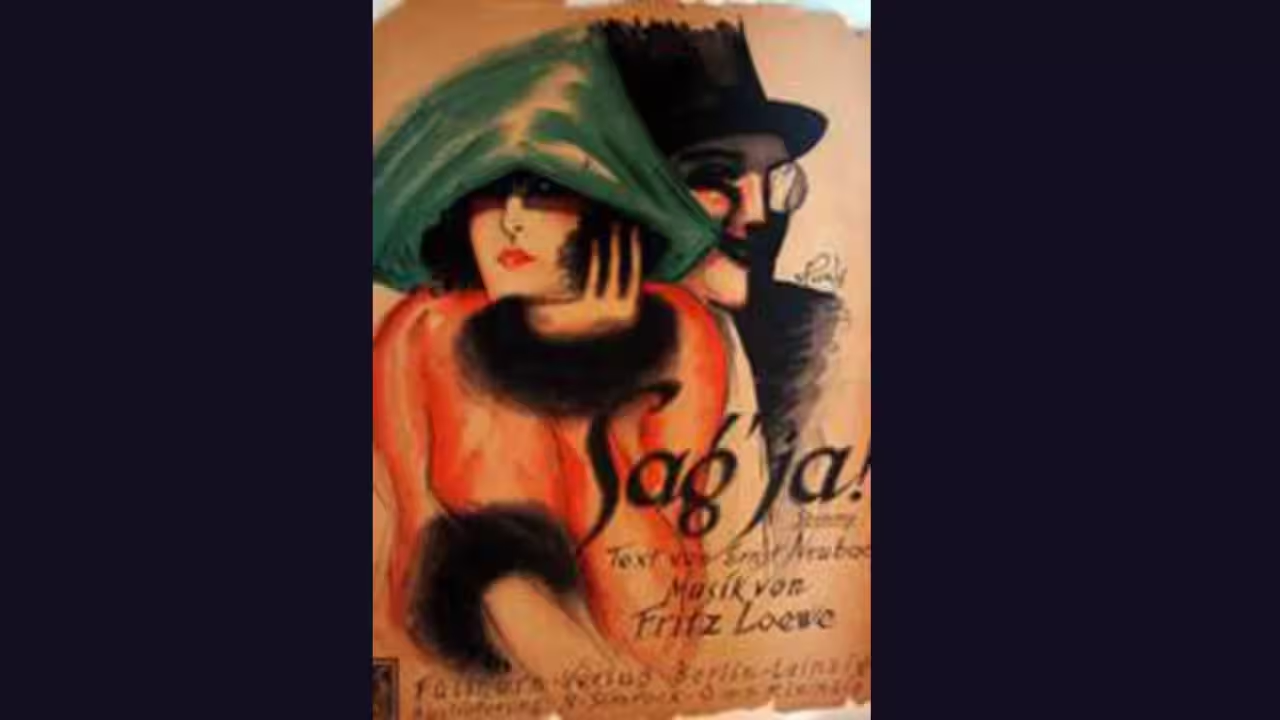
The copyrights behind Broadway musicals such as My Fair Lady and Camelot form part of the legacy of composer Frederick Loewe; the work continues to be managed by the Frederick Loewe Foundation. Established in 1956, the New York non-profit organisation holds the copyrights Loewe bequeathed to it after he died in 1988. According to its official website, the foundation makes grants of up to $800,000 a year to preserve the composer’s musical legacy, raise awareness of his work, support music education and encourage musical theatre.How do the “My Fair Lady” and “Camelot” copyrights help fund music educationThe composer established the Frederick Loewe Foundation in 1956 as a New York non-profit corporation. Its original purpose was to make charitable contributions to causes of his choice. After Loewe died in 1988, he bequeathed ownership of his copyrights to the foundation, giving the organisation control over the rights to his musical compositions and his interests in works he created with Lerner.The foundation states that its present-day activities include protecting Loewe’s musical legacy, increasing public awareness of his work, supporting music education and encouraging musical theatre. The board of directors determines the direction of its grants. This places the preservation of the composer’s work alongside the organisation’s charitable objectives, which include helping to sustain music education and the wider appreciation of musical theatre.How much does the Frederick Loewe Foundation award in grants annuallyThe foundation states that it makes grants of up to $800,000 annually. The grants are intended to “protect and preserve Frederick Loewe's musical legacy and expand public awareness of the composer and his music as well as to support music education and to encourage musical theatre”.The annual grant figure represents the maximum amount, rather than a guarantee that the full sum will be distributed every year. The organisation’s grant-making priorities are determined by its board of directors. Its published information therefore establishes both the scale of funding it can provide and the purposes for which the grants are intended, without specifying that every grant is funded by an individual musical or copyright payment.Who can apply for grants from the Frederick Loewe FoundationThe foundation publishes information about its grant application process on its Grants page. It states that proposals should be no longer than two pages and that applicants should submit them by email. The organisation adds that it will contact applicants if it requires further information. Its grant guidance also specifies that, as a tax-exempt organisation under Section 501 of the US Internal Revenue Code, it can make grants only to other qualified tax-exempt organisations.The foundation’s licensing activities and charitable grant-making are distinct parts of its work. It manages Loewe’s copyrights and works with Lerner’s heirs on the licensing of their shared musical properties, while its grants support the objectives established by its board. Through these activities, the organisation continues to preserve the composer’s legacy while supporting music education and musical theatre, in keeping with the purposes described on its official website.You use AI every day. Now get your AI Quotient. Take the AIQ test.
Topics in this story
Gathered from external sources. Rights to this text belong to whoever originally published it.