Quincy Jones died in 2024, but his estate topped Forbes' 2026 highest-paid dead celebrities list at an estimated $150 million after selling music and media rights to HarbourView; Michael Jackson's estate ranked second
Quincy Jones spent more than seven decades shaping American music, film and television, and his influence is still generating extraordinary value after
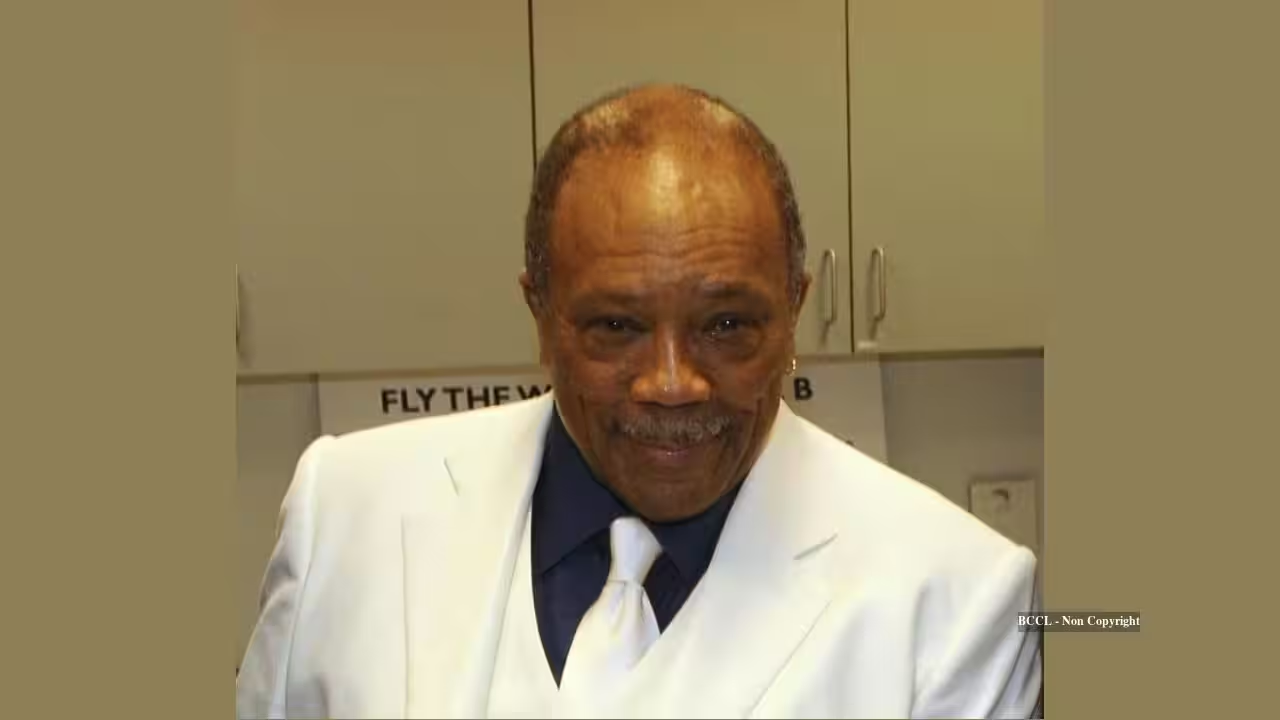
Quincy Jones spent more than seven decades shaping American music, film and television, and his influence is still generating extraordinary value after his death. Jones died of pancreatic cancer in November 2024 at the age of 91, yet Forbes has named his estate the highest-earning dead celebrity of 2026, with an estimated $150 million in earnings. The figure was driven largely by the sale of much of his music catalogue and related rights to HarbourView Equity Partners in March.The result is a reminder that creative ownership can become a lasting financial asset. Jones’s estate did not simply earn royalties from old recordings. It sold a portfolio that included his personal catalogue, publishing rights and interests in a career that touched Michael Jackson, Frank Sinatra, Ray Charles, Aretha Franklin, television and film. Forbes estimates that the HarbourView transaction was worth around $150 million, placing Jones ahead of Michael Jackson’s estate, which earned an estimated $140 million. Read more details about it here:Why Jones topped the listJones’s career was unusually broad. He worked on Michael Jackson’s Thriller, Frank Sinatra’s 'Fly Me to the Moon', and music associated with Ray Charles, Donna Summer, Miles Davis, Count Basie and Aretha Franklin. He also co-founded Vibe magazine, executive produced The Fresh Prince of Bel-Air, conducted 'We Are the World', and received two Oscar nominations for scoring Steven Spielberg’s 'The Color Purple'. That range made his rights valuable in more than one market. In March 2026, his estate sold the vast majority of its interests in those assets, along with Jones’s personal catalogue and publishing rights to songs including 'Soul Bossa Nova', to HarbourView Equity Partners. Forbes estimates the deal at approximately $150 million and treats that transaction as the main reason Jones leads this year’s list.Industry insiders told Forbes that Jones’s estate secured a premium price because the assets generate ongoing revenue and because his reputation carries commercial weight. HarbourView also gains the prestige of owning rights connected to one of music’s most respected producers, which may help the firm pursue future catalogue acquisitions.The Michael Jackson connectionA key part of Jones’s financial story remains tied to Michael Jackson. Jones held a 10 percent producer royalty on Jackson’s first three solo albums, Off the Wall, Thriller and Bad. Forbes reports that those albums account for more than two-thirds of Jackson’s annual global streaming total, giving Jones’s estate a powerful recurring income stream.That connection became especially lucrative in 2026. The Michael biopic became a global box-office hit, grossing more than $1 billion worldwide, and the film’s success boosted interest in Jackson’s catalogue and related projects. Jones’s producer royalties therefore paid out substantially at the same time his estate was negotiating the HarbourView sale.The timing helped Jones take the top spot. Forbes notes that this is only the fourth year since Michael Jackson’s death in 2009 that another deceased celebrity has led the list, with each exception involving a major asset sale. The other three were Elizabeth Taylor in 2012, Roald Dahl in 2021 and J.R.R. Tolkien in 2022.Michael Jackson’s estate ranks secondMichael Jackson’s estate earned an estimated $140 million over the past year, according to Forbes. The estate invested an estimated $25 million to fund reshoots for the Michael biopic, a gamble that paid off when the film grossed more than $1 billion globally.Forbes estimates that the estate will eventually receive about 25 percent of the film’s net profits, amounting to more than $50 million over the coming years. The movie also lifted the wider Jackson business portfolio, including music streaming, the Cirque du Soleil show in Las Vegas, productions of MJ: The Musical, and brand licensing. Together, those businesses generated $140 million over the 12 months covered by Forbes’ ranking. The estate’s result shows how a single successful film can strengthen an entire posthumous brand, increasing streaming, ticket sales and licensing revenue across multiple markets.How the ranking worksForbes’ 2026 list measures pre-tax earnings from sales, streams, licensing deals and other income sources between October 1, 2025 and September 30, 2026. It also includes estate acquisitions made or announced during that period.This year’s methodology treats each celebrity as a single entity and credits all income generated, regardless of whether beneficiaries still own or control the rights to the person’s work, name, image or likeness. That is a change from the 2025 list, which focused on money flowing to estate beneficiaries. Forbes compiled its figures with data from Luminate and interviews with industry insiders, and it does not deduct agent, manager or lawyer fees.The methodology explains why a major catalogue sale can dominate the list. A one-time transaction can produce a far larger figure than annual royalties, even when the underlying catalogue continues to earn steadily year after year.The wider dead-celebrity economyJones and Jackson lead a list that shows how celebrity estates increasingly operate like media companies. Dr. Seuss ranked third with an estimated $80 million, followed by Elvis Presley at $75 million and Dolly Parton at $46 million. Each estate relies on a mix of music, publishing, licensing, live experiences and brand extensions.Physical destinations remain especially important for some estates. Graceland continues to draw hundreds of thousands of visitors each year, while Dollywood attracted 3.4 million visitors in 2025, an 8 percent increase in a year when many American theme parks saw attendance decline. These locations act as hubs for merchandise, tourism and brand expansion.Still, Forbes cautions that success is not guaranteed. Bob Marley’s Las Vegas stage production closed after a brief hiatus in January, while Bruce Springsteen’s film Springsteen: Deliver Me from Nowhere underperformed at the box office. The lesson is that valuable intellectual property helps, but every new film, show or licensing venture still carries risk.A legacy measured in influence and incomeQuincy Jones’s place at the top of Forbes’ 2026 list is not simply a story about money. It reflects the enduring value of work that continues to reach audiences decades after it was created. His catalogue, production royalties and media interests became valuable because his creative fingerprints remain embedded in some of the most successful music and entertainment of the past half-century.Michael Jackson’s estate ranks close behind, proving that a global hit film can still reshape the economics of a legacy brand. But Jones’s $150 million result shows something broader: in today’s entertainment economy, ownership of songs, publishing rights and creative history can be as valuable as a new release.You use AI every day. Now get your AI Quotient. Take the AIQ test.
Topics in this story
Gathered from external sources. Rights to this text belong to whoever originally published it.