Honoring the ‘butcher of Bosnia’ would be a crude endorsement of genocide
Despite overwhelming evidence to the contrary, Bosnian Serb and Serbian leaders continue to deny that the genocide happened.
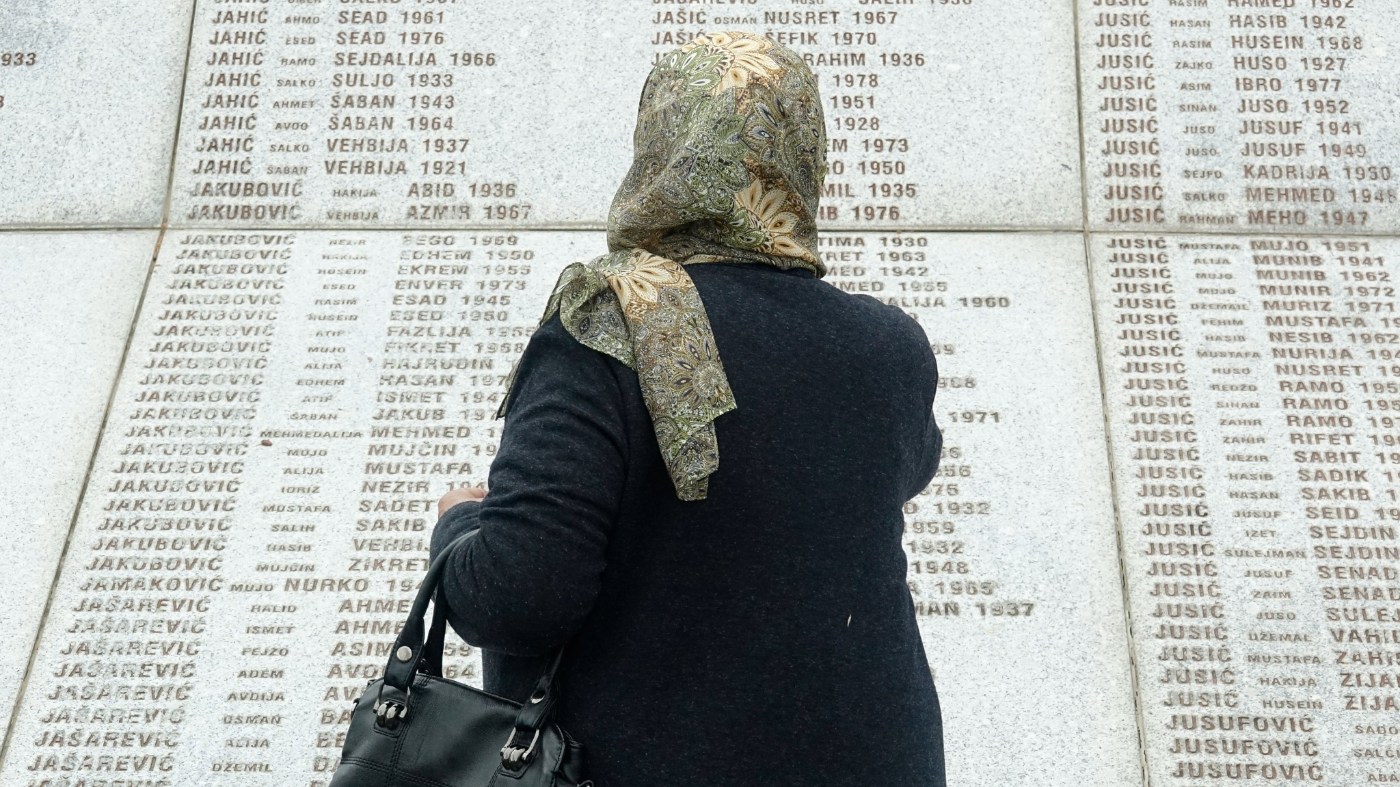
The death of General Radko Mladic is a reminder of the worst genocide in Europe since the Holocaust and the need to remember it. Unfortunately, the governments of the Bosnian Serb Republic and Serbia proper continue to deny what happened.
The Serbian Minister of Justice announced that Mladic will be buried with the “highest military and state honors.” Dubbed “the butcher of Bosnia,” Mladic oversaw Serb military operations during the civil war of the early 1990s, including the July 1995 massacre of up to 8,000 Muslim men and boys in the town of Srebrenica .
Along with Bosnian Serb President Radovan Karadzic and Serbian President Slobodan Milosevic, he implemented a policy of ethnic cleansing — the removal of Muslims and Croats from land claimed by Serbs. Through rape, murder and brutality, the Bosnian Serb Army and paramilitary forces from Serbia drove thousands of people from their homes. Based on careful analysis of data, the International Criminal Tribunal for the Former Yugoslavia estimated the death toll at 89,186, of whom 57,922 were Bosnian Muslims, most of them civilians.
Following the signing of the Dayton Peace Accords in December 1995, the tribunal pursued the perpetrators, especially the three Serbian leaders.
It indicted Milosevic in 1999 and began trying him in 2002 following his arrest in Serbia, but he died in 2006 before the tribunal could render a verdict. It convicted Karadzic of “genocide, crimes against humanity and violations of the laws or customs of war committed by Serb forces,” of which he was supreme commander. He is currently serving a 40-year sentence in the Hague. Mladic eluded authorities for 16 years before Serbian authorities arrested him in 2011. The tribunal found him guilty of “”genocide, crimes against humanity and violations of the laws or customs of war” in 2017 and sentenced him to life in prison.
Despite overwhelming evidence to the contrary, Bosnian Serb and Serbian leaders continue to deny that the genocide had happened. Milorad Dodik, Bosnian Serb Republic president from 2022 to 2025, called the genocide a “fabricated myth” and commissioned a report to promulgate his baseless argument.
Aleksandar Vucic, president of Serbia since 2017, has been a consistent genocide denier . He and many of his followers insist that since all sides committed atrocities, no one is guilty . That argument sounds remarkably similar to the one used by the government of Turkey to deny responsibility for the 1915 Armenian genocide .
In April 2024, thousands of Bosnian Serbs attended a rally in Banja Luka to deny that the Srebrenica massacre occurred.
To the outside observer two questions immediately occur: Why the denial, and what does it matter? Nationalists blend fact and fiction to create patriotic myths . Victimhood permeates the Serbian historical narrative. It contains a litany of wrongs done to the Serbian people but no acknowledgement of what they have done to others.
Their leaders refuse to acknowledge the Bosnian genocide, just as some American politicians downplay the evils of slavery and the removal of Native Americans. It matters for the same reason denial of the Armenian genocide and the Holocaust matter: Such denial increases the likelihood that such tragedies will happen again.
On the eve of the invasion of Poland, a war in which he promised to kill “mercilessly and without compassion, men, women, and children of Polish derivation and language,” Adolf Hitler quipped , “Who, after all, speaks of the annihilation of the Armenians?”
After World War II, the Jewish people adopted the slogan “ never again ” as a commitment to oppose genocide whenever and wherever it threatened to occur. A corollary to that declaration must be “never forget.” As the tragedy of Bosnia recedes into the past and remembrance fades, it may cease to serve as a stark warning of what human beings driven by hatred and ethnic nationalism can do.
To prevent that happening, the United Nations General Assembly designated July 11 as “International Day of Reflection and Commemoration of the 1995 Genocide in Srebrenica, to be observed annually.” The UN resolution also condemned denying the genocide and glorifying its perpetrators.
Burying Mladic with full military honors violates that resolution and every code of human decency. The funeral dishonors the victims and, as one Serbian journalist concluded, traps the Serbian people in the past instead of moving them toward reconciliation.
Tom Mockaitis is a professor of history at DePaul University and the author of “ Violent Extremists: Understanding the Domestic and International Terrorist Threat .”
Topics in this story
Gathered from external sources. Rights to this text belong to whoever originally published it.