In 2020, five workers remained at a South Australian wildlife park as bushfires approached, choosing to defend the 700 animals in their care
In January 2020, five dedicated workers at the Kangaroo Island Wildlife Park brave catastrophic bushfires to protect 700 animals, showcasing an extraordinary commitment to wildlife care amid disaster.
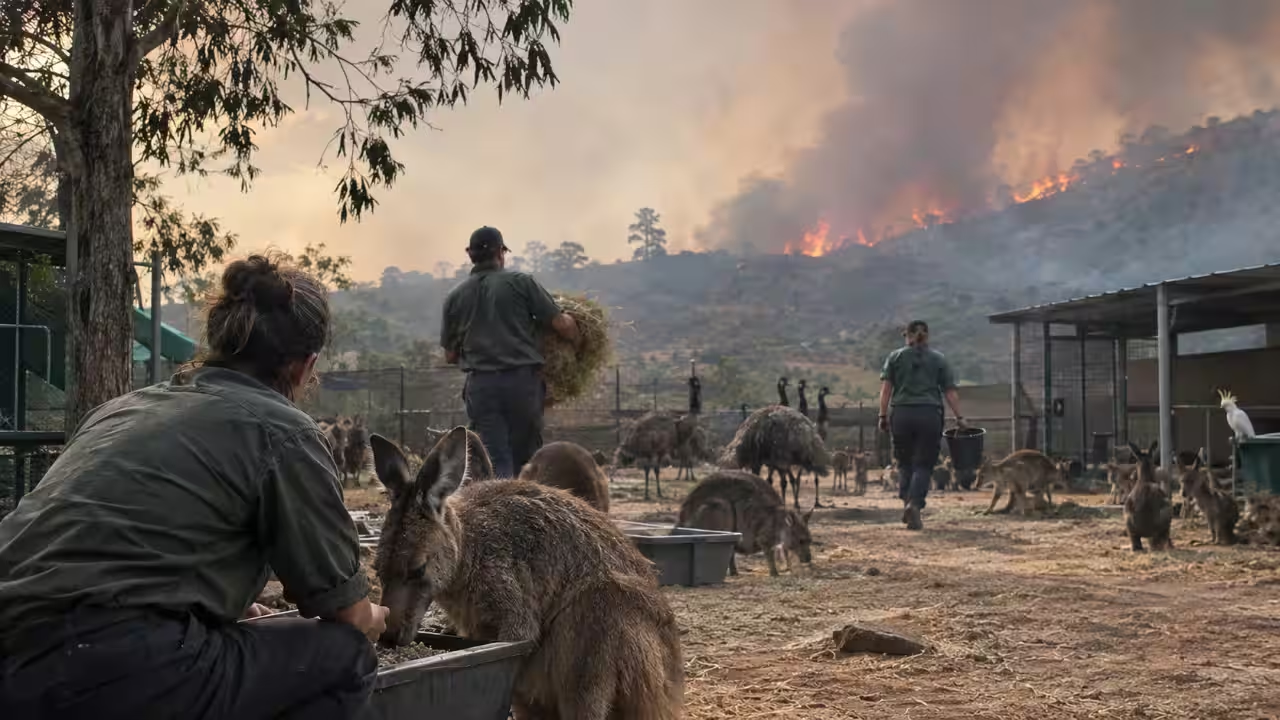
In January 2020, as catastrophic bushfires swept across Kangaroo Island in South Australia, the Kangaroo Island Wildlife Park faced a difficult decision. Evacuation warnings were in place around Parndana as flames approached the property, but moving hundreds of animals was not a practical option. According to The Guardian, park owner Sam Mitchell and four other close friends and family members remained behind to defend the park and the roughly 800 animals in their care. The group worked alongside Country Fire Service personnel as the fire threatened the property. The park was already caring for wildlife affected by the fires, including koalas, when the danger reached its doorstep. What followed was a long effort to protect the animals, buildings and enclosures while fire moved through the surrounding landscape.Staying as the fire approachedThis decision was made in very dangerous conditions as the fire approached. By 9 January, there were warnings from the authorities that all residents near Parndana should evacuate, but the fire was still spreading over the island. The park was located west of Parndana, and many injured animals due to the previous fires sought shelter there. Those who stayed could not simply load all the animals into cars and leave, because the park housed species with different care, feeding and handling needs.The Country Fire Service offered assistance, while park staff and their families managed the threat from spot fires. At one point, flames came within 100 meters of the park, and the team worked for about 48 hours to keep them away from the animals and buildings. It was not only the animals in the park that were at risk. Kangaroo Island was one of the worst affected regions in the Black Summer bushfires, and the park also became part of the effort to care for injured wildlife.A refuge during a wider wildlife disasterThe scale of the disaster helps explain how the park's role changed during the fires. Kangaroo Island's bushfires had burned a large portion of the island and damaged important habitat for species found nowhere else. Research published in Animals examined 304 records of koalas rescued after the 2019-20 Kangaroo Island fires. The study found that 67.4% of the koalas recorded had burns, while 77.1% were dehydrated and 74.6% of burnt animals were in poor body condition. The findings showed that treating surviving wildlife involved more than dealing with visible burns, as dehydration, poor nutrition, and the severity of injuries also affected outcomes.The wildlife park became part of that broader response. After the immediate threat passed, animal-care organisations including RSPCA South Australia sent veterinary and animal-handling teams to the park. On 10 January, the RSPCA reported that its staff were helping care for wildlife at the facility, particularly koalas suffering burns and malnutrition after losing much of their natural food supply. This meant the park was serving two purposes at once: protecting its permanent collection while providing a place where injured native animals could receive care.What the fires changed for wildlife careThe event also prompted a wider review of how prepared wildlife organisations were for disasters like this. The 2019-20 bushfires affected wildlife across several Australian states. Zoos, wildlife hospitals, government departments and conservation groups had to work together to rescue and treat animals and plan for their long-term recovery. The Kangaroo Island Wildlife Park’s experience showed how urgent this issue was for wildlife organisations. Evacuating people from a fast-moving fire is difficult enough; relocating a large number of captive animals is just as challenging.The park escaped the immediate danger of the fire, even though the surrounding island had already suffered considerable ecological damage. The focus moved on to attending to animals whose lives had been disrupted by the incident. In that sense, the story is less about one night of defending a wildlife park and more about how natural disasters affect animal-care facilities. For the five people who stayed, the task in January 2020 was clear: protect the animals that could not care for themselves.You use AI every day. Now get your AI Quotient. Take the AIQ test.
Topics in this story
Gathered from external sources. Rights to this text belong to whoever originally published it.