Iran, Oman planning temporary corridor through Strait of Hormuz
Iran and Oman’s foreign ministers on Tuesday said they are setting up the framework of a temporary corridor for commercial vessels to pass through the Strait of Hormuz, the key commercial waterway whose traffic has been stymied amid the U.S. war on Iran. Omani Foreign Minister Badr al-Busaidi wrote on the social platform X that the…
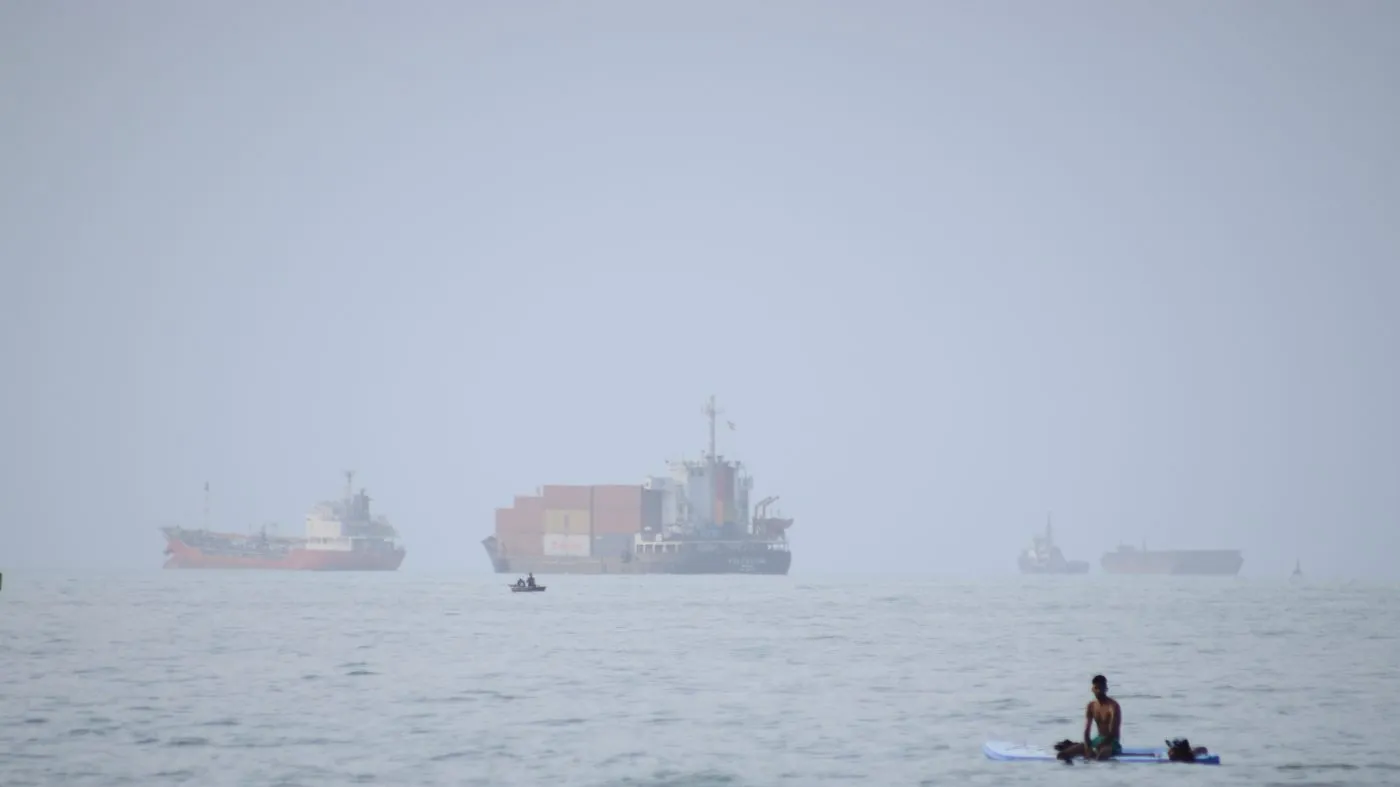
Iran and Oman’s foreign ministers on Tuesday said they are setting up the framework of a temporary corridor for commercial vessels to pass through the Strait of Hormuz, the key commercial waterway whose traffic has been stymied amid the U.S. war on Iran.
Omani Foreign Minister Badr al-Busaidi wrote on the social platform X that the dialogue with his Iranian counterpart, Abbas Araghchi, about the new corridor was “constructive.”
“I am hopeful we will soon announce a temporary corridor for the Strait of Hormuz and practical arrangements to restore safe navigation. Future management of the Strait and a permanent solution will follow in due course, as per Article 5 of the Islamabad Memorandum,” al-Busaidi said, referring to the fifth point of the defunct interim peace deal signed by the U.S. and Iran in June.
His office stated that talks regarding the strait’s future would include an agreement on “a mechanism for information-sharing, traffic management, and the provision of relevant navigational and security services,” as well as the “importance of convening joint discussions with regional states bordering the waters of the Gulf.”
Araghchi separately wrote that during the conversation with Omani officials, “regional solutions were stressed.”
“Proposed framework for new corridor, joint mine-clearing and future management of Hormuz is case in point,” he added in an X post .
Traffic entering the Persian Gulf from the Gulf of Oman would pass through Iranian waters as outbound traffic would pass through waters belonging to either Iran or Oman, Iranian Deputy Foreign Minister Kazem Gharibabadi told state TV, according to The Associated Press .
For a 30- to 60-day period, both countries will hold negotiations to “reach an understanding on a new permanent and sustainable route,” he said.
Iran has shut down much of the shipping that typically goes through the strait amid the nearly six-month conflict with the U.S., with the Trump administration seeking to control the passage with a naval blockade and President Trump posting a map claiming that the Strait of Hormuz is a U.S. territory . Iranian officials said they will reopen the strait after Trump withdraws the blockade.
It is unclear if the U.S. will accept the emerging deal. Trump previously threatened Oman over potentially striking a separate deal with Iran, warning the Persian Gulf country that “we’ll bomb the s‑‑‑ out of them” if Oman “gets in the way.”
Iran’s closure of the strait, lopping off the export of crude oil, caused gas and energy prices to soar in the months since the war began in February. The strait reopened following ceasefires and interim peace deals, including the memorandum of understanding signed by the U.S. and Iran in June, but they have all fizzled out.
Hostilities resumed, though tensions have lowered to a stalemate, with gas prices steadily rising since strike exchanges ceased. The national average for gas in the U.S. costs $4.10 per gallon, down 1 cent since last month but up nearly $1 since the average at this time last year, according to data from AAA .
Topics in this story
Gathered from external sources. Rights to this text belong to whoever originally published it.