Washington flew 6,000 logs by helicopter into 24 miles of remote streams to rebuild salmon spawning grounds and help creeks hold water
Helicopters were used to place more than 6,000 logs into remote streams in central Washington as part of Northwest’s largest river restoration efforts.
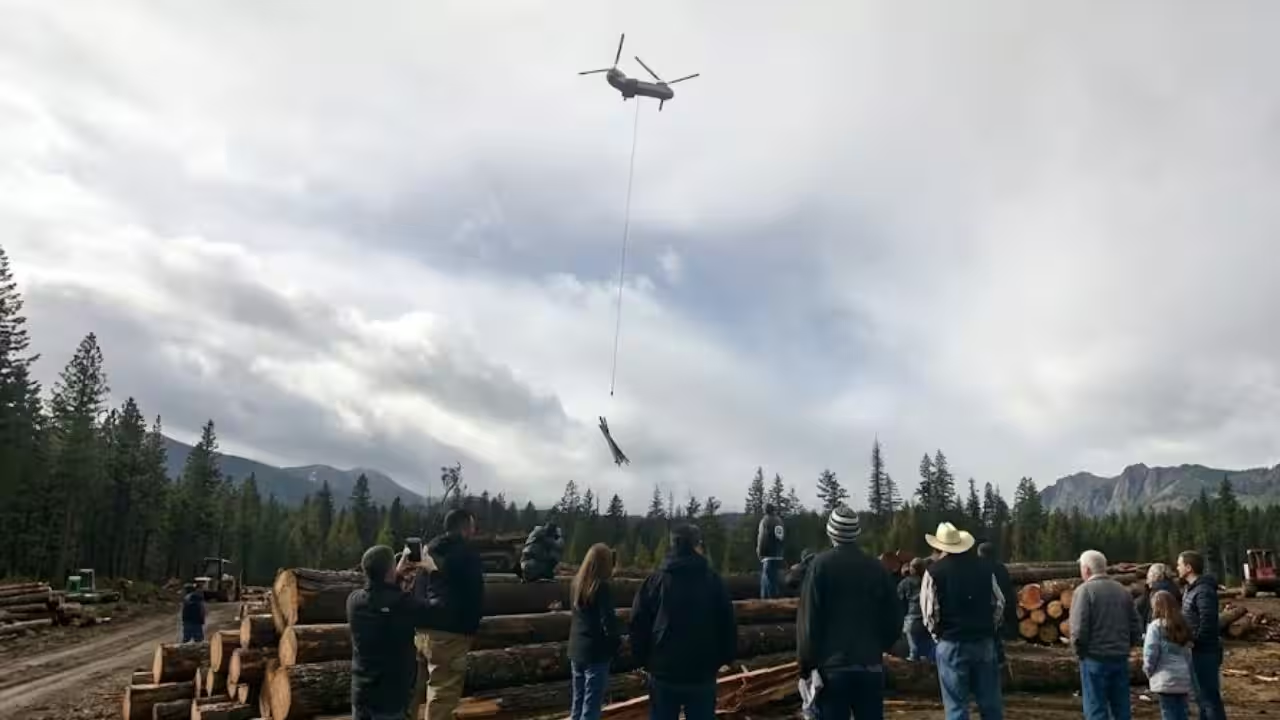
Helicopters were used to place more than 6,000 logs into remote streams in central Washington as part of Northwest’s largest river restoration efforts. The project focuses on remote waterways inaccessible by road and aims to restore habitats for salmon and bull trout. According to Northwest Public Broadcasting, the work covers more than 24 miles of streams across the Yakama Reservation and ceded lands. The logs create pools and sheltered areas for fish, while trapping gravel that fish use to spawn. They also reduce the speed of the current, allowing water to spread across floodplains, seep into the ground, and gradually return to streams.How are helicopters transporting thousands of logs to remote streamsThe project involves Yakama Nation habitat biologists and partner organizations, including The Nature Conservancy and Mid Columbia Fisheries Enhancement Group. At the time, fisheries specialists often viewed large log jams as barriers that prevented fish from moving freely.That approach has since changed, with the project returning more than 6,000 logs to waterways across Central Washington. Helicopters carried the timber from staging areas to sections of streams that roads no longer reach.Biologists use pink and blue flagging tape to show pilots where the logs should be placed. The project covers more than 24 miles of streams on tribal and other lands.Where do the logs come from, and how are they transported to remote streamsThe logs, which include Douglas fir, grand fir and cedar, come from forest-thinning work carried out by ‘The Nature Conservancy’. While some of the timber could have been sold, other logs would not have been sold. Reese Lolley, the organisation’s director of forest restoration and fire in Washington, said, “We’re thinking more towards whole landscape restoration, both the aquatic and the upland”.Removing selected trees can also help reduce the risk of large fires. Helicopters allow teams to transport timber from remote areas where building roads would be impractical or too expensive. The logs are then placed in streams to restore fish habitats and help reconnect waterways with surrounding floodplains.How do logs help restore fish habitats damaged by past river managementLogs make waterways more varied by creating sheltered spaces where salmon and bull trout can swim and spawn. They also form pools and trap gravel that fish need for spawning. Aquatic insects feed on algae growing on the wood.The restoration project aims to address damage caused by past practices, including overgrazing, railroad logging, splash dam logging, and the removal of wood from streams.Phil Rigdon, director of the Yakama Nation Department of Natural Resources, said, “We’re trying to learn from our mistakes and find a better way to manage.”How can the logs help streams retain water as the climate warmsThe logs slow the movement of water, allowing it to collect in pools and seep into the ground. They also help water spread across floodplains, where it can be stored and gradually released back into streams. This process helps keep waterways cooler and may reduce the risk of streams running dry.Kelly Clayton, a habitat biologist with the Yakama Nation, said, “This project is what will keep our creeks from running dry.”Nicolai said, “Back in the day, when they ran bulldozers down the creek, cleaning it out, making the water run off faster, that disconnected these floodplains from the river.”“We used to treat our streams like they were just for drainage - get the water off the land. Now we’re learning that’s not such a great idea.”You use AI every day. Now get your AI Quotient. Take the AIQ test.
Topics in this story
Gathered from external sources. Rights to this text belong to whoever originally published it.