In 2024, a Houston Zoo ride-out team stayed overnight during Hurricane Beryl; all enclosures remained secure and the animals were cared for throughout the outage
During Hurricane Beryl in July 2024, the Houston Zoo's dedicated ride-out team stayed overnight to ensure the safety and well-being of the animals. Despite power outages and storm damage, all animal enclosures remained secure, showcasing the zoo's emergency preparedness and commitment to animal care.
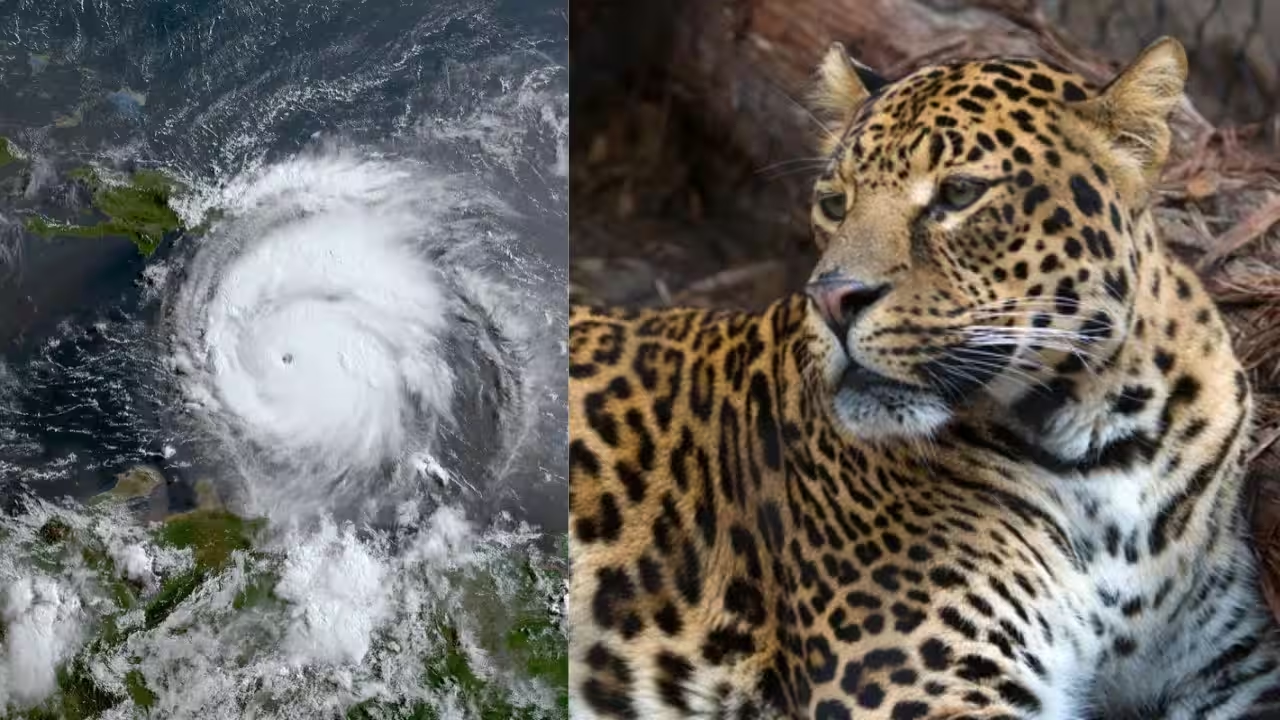
Hurricane Beryl struck Texas in July 2024 and knocked out power at the Houston Zoo, but a ride-out team stayed overnight to watch over the animals and the zoo’s critical systems. The storm damaged multiple parts of the property, and Houston had to deal with widespread outages, yet the zoo reported that its animal enclosures remained secure and the animals continued receiving care throughout the outage.Hurricane Beryl made landfall near Matagorda, Texas, on July 8, 2024, as a Category 1 hurricane with maximum sustained winds of 80 mph. The National Weather Service reported widespread wind damage across Southeast Texas, including an 89-mph wind gust that was recorded at the University of Houston and an 84-mph gust at William P. Hobby Airport. The storm also brought heavy rain and widespread power outages across the Houston area, according to National Weather Service records.For the zoo, losing electricity meant more than turning off lights, since animal-care facilities depend on power for equipment, temperature control and other systems, while staff also have to keep food, water and medical care available during an extended disruption. The ride-out team stayed on the grounds through the storm rather than leaving the animals unattended. The group included staff responsible for animal care, veterinary services, facilities and other essential operations, with their job being to monitor the animals, check enclosures and respond if the storm created a problem inside the zoo.The animals stayed in protected areasAnimals were moved into protected spaces such as barns and night houses as the storm approached, which reduced their exposure to wind and rain while allowing keepers to continue their normal care routines. The Houston Zoo said that its staff had prepared for the storm before Beryl arrived, and generators were available to support essential operations during the power outage, while employees monitored buildings, animal areas and equipment throughout the night.The zoo is home to thousands of animals representing hundreds of species, so the response could not be reduced to a single evacuation decision. Different species have different housing requirements, and having to move large or unfamiliar animals during a storm can create additional risks. Staff therefore focused on keeping the animals in secure areas and maintaining the systems that they depended on. The zoo's storm preparations also included checking trees and other potential hazards around enclosures, in order to secure objects that could become debris and ensuring that emergency equipment was available. The National Weather Service recorded the storm's progression across the Houston region as Beryl moved inland, where it was seen that wind damage brought down trees and power lines in multiple communities, which contributed to the prolonged outages that followed the hurricane's passage.Power was out, but animal care continuedZoo staff had to rely on backup systems without the normal electrical supply, while crews inspected the property. Staff checked the enclosures and made sure the animals had food and water, and the zoo also worked to clear storm debris and assess damage around the grounds. The zoo reported fallen trees and damage to some buildings and infrastructure, but none of the animal enclosures were breached.A damaged enclosure can turn a storm-related power failure into an animal emergency, and keeping the barriers intact meant keepers could continue working with the animals in their usual secure spaces instead of attempting emergency relocations. KPRC reported that staff were dealing with fallen trees, flooding and damage to parts of the campus while continuing to care for the animals. The report also explained how zoo staff prepare animals and their habitats for major storms.The zoo reopened after the stormBeryl moved away from Houston, but the zoo's response continued after the winds and rain stopped, which included having to remove fallen branches and dealing with areas affected by flooding before visitors could return. The Houston Zoo remained closed during the initial cleanup period, and staff continued working on the property while maintaining the animals' daily routines.The storm produced hurricane-force winds, widespread tree and power-line damage and major disruptions across the Houston area before weakening as it moved farther inland, but for the zoo's animals, the immediate emergency ended without an enclosure breach. The ride-out team had remained on site through the storm and keepers continued feeding and monitoring the animals while the campus was without normal power. The damage to the grounds took longer to address, but the animal-care operation continued throughout the disruption.You use AI every day. Now get your AI Quotient. Take the AIQ test.
Topics in this story
Gathered from external sources. Rights to this text belong to whoever originally published it.