Massachusetts college shut down in 2019 and lost nonprofit status in 2022, yet former student who left in 2009 owing $10,000 was sued for $28,000 in unpaid tuition and interest in 2025
Newbury College in Massachusetts shut its doors in 2019 and ceased operating as a nonprofit organisation in 2022.
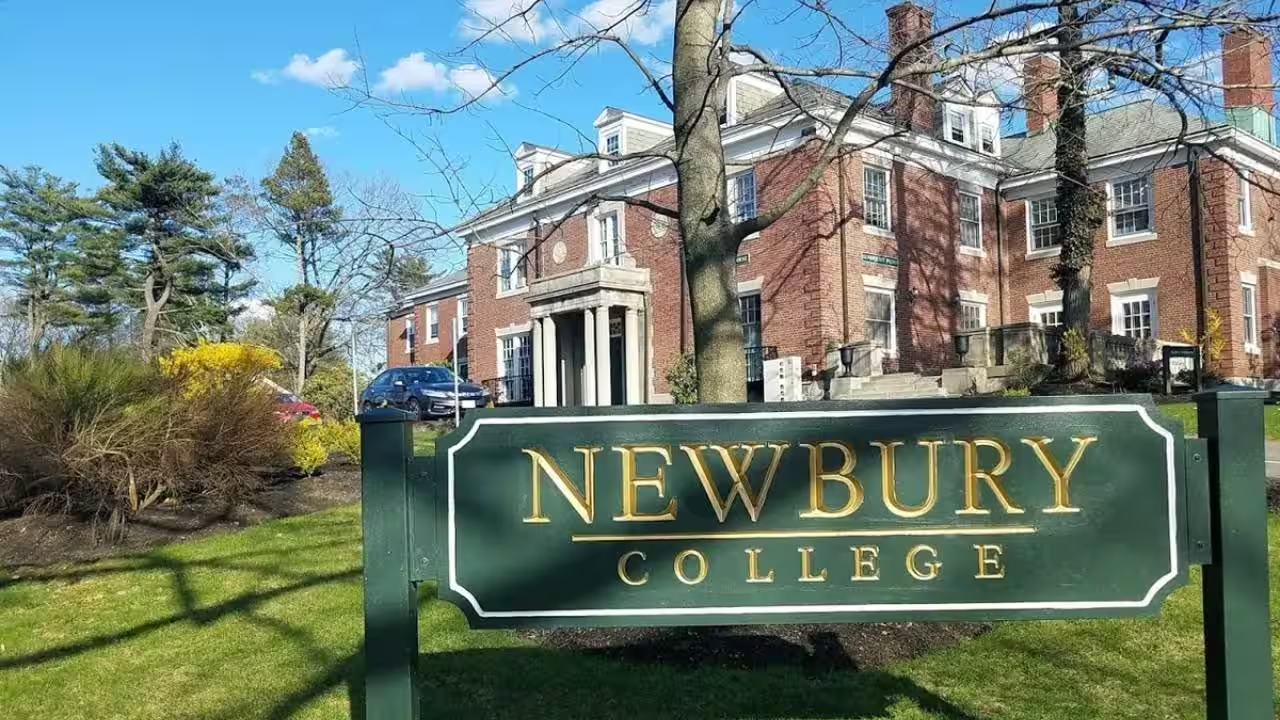
Newbury College in Massachusetts shut its doors in 2019 and ceased operating as a nonprofit organisation in 2022. However, its closure did not bring an end to its financial dealings with former students. In the summer of 2025, former student Cesarina Barros was sued for $28,000 in unpaid tuition and interest, raising questions about who collects outstanding fees when a college ceases to exist.According to a report by WGBH, Barros left Newbury College in 2009 because she could no longer afford her education. At the time, she owed approximately $10,000 in tuition but continued making payments towards the outstanding amount. When the institution eventually closed, she believed she would no longer have to worry about the debt.That changed when she received notice of the lawsuit in 2025. Barros, who now works as a registration specialist for Boston Public Schools, is among 21 former students facing collection proceedings over unpaid tuition balances. Court documents filed in Boston Municipal Court also indicate that former students have been threatened with wage garnishment.Where does the money collected from former students go?The case has raised an unusual question: if a college has shut down, who is legally entitled to collect the money former students owe, and where does that money ultimately go?During a court hearing, Barros asked Judge Steven Kim where the money collected from former students would go. However, neither the judge nor the lawyer representing Newbury College could provide an answer. The judge subsequently postponed the case until January.The uncertainty is particularly striking because Newbury's remaining assets were legally transferred to another educational institution.In 2022, Massachusetts' highest court and the state attorney general's office designated Wheaton College as the legal recipient of Newbury College's assets and funds. However, Wheaton spokesperson Suzi Robinson told WGBH that the institution did not acquire Newbury's student accounts or outstanding balances.Despite this clarification, collection filings reportedly list addresses associated with both Wheaton College and Newbury College. Wheaton also confirmed that an inherited scholarship fund worth approximately $4 million has supported seven students.Legal experts question collecting tuition from students after a college closesThe case has also prompted questions about whether former students should be required to repay tuition when the institution they attended shuts down before they can complete their education.Attorney Adam Minsky, who represents student loan borrowers and their families, said he had rarely encountered such a situation in his 15 years of practice."It's not something that I tend to see in my practice, and it's not a situation that has come up, and I've been doing this work for 15 years," he told WGBH.Anna Anderson, a senior attorney at the National Consumer Law Center, said such cases were becoming "a bigger problem." She advised people facing collection lawsuits to consult an attorney immediately rather than ignore the proceedings. Debt collectors can potentially seek additional money through fees, wage garnishments and liens.Anderson also explained that whether tuition owed directly to a closed college must be repaid depends on how the institution's affairs are wound down and whether its debts are transferred to another entity. Separate discharge provisions apply to federal and private student loans.For Barros, the lawsuit has brought considerable emotional and financial stress. The mother of two, who works in Boston Public Schools, hopes to complete her degree in early childhood education but says the legal proceedings have caused sleepless nights and headaches.You use AI every day. Now get your AI Quotient. Take the AIQ test.
Topics in this story
Gathered from external sources. Rights to this text belong to whoever originally published it.