Polluted Stiebeuel River water transformed into irrigation supply using stones, sand and heat-treated wood; University of Cape Town project treats 36,000 litres daily and removes 99% of toxins
Rest of World News: A simple combination of stones, sand and heat-treated wood is helping transform heavily polluted river water in South Africa into water clean enough t.
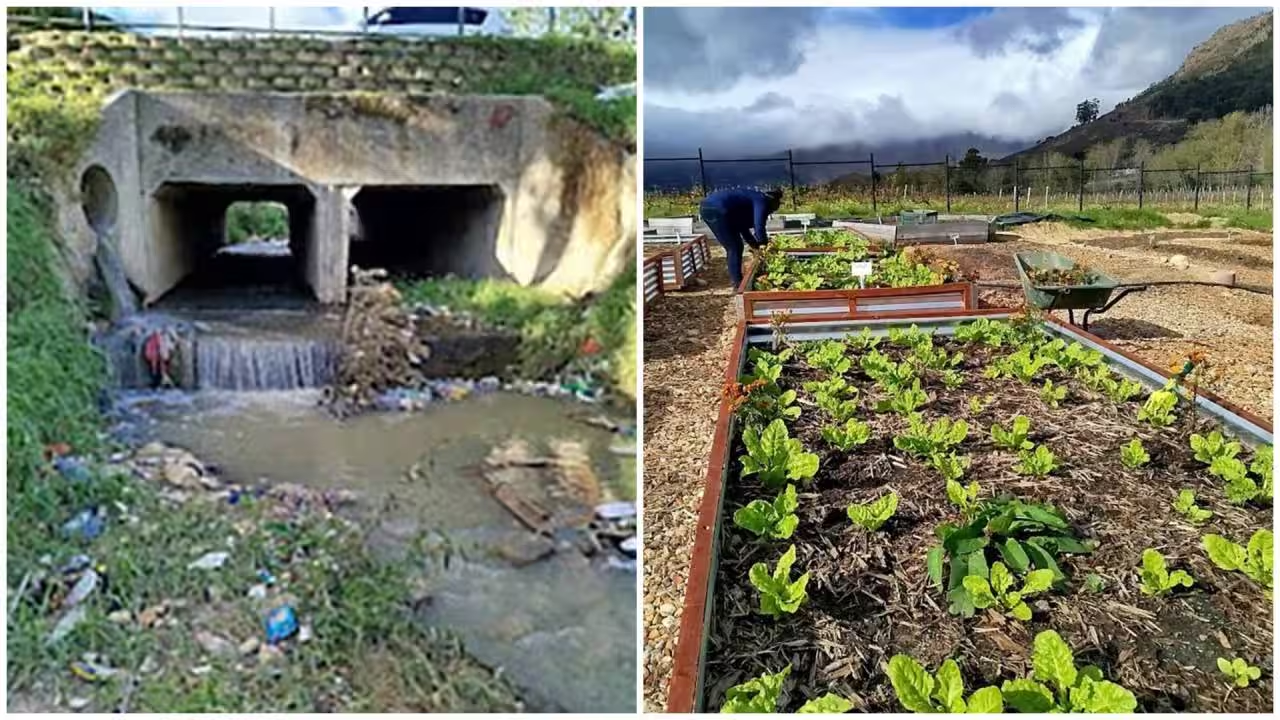
A simple combination of stones, sand and heat-treated wood is helping transform heavily polluted river water in South Africa into water clean enough to irrigate vegetable gardens and support food production in a growing informal settlement.Researchers from the University of Cape Town are using a nature-based filtration system to treat around 36,000 litres of water from the Stiebeuel River every day.The river has been contaminated by sewage, chemicals and traces of drugs and pharmaceutical waste. But after passing through the treatment system, a portion of the water is now being used to irrigate community vegetable plots in Langrug, near Stellenbosch in South Africa’s Western Cape.The project, known as the Water Hub, does not rely on chemical treatment and operates using renewable solar energy.Scientists behind the initiative believe the approach could offer a potential model for helping vulnerable communities improve food security as climate change increases pressure on water supplies.Polluted river water now helping grow foodKevin Winter, one of the researchers behind the Water Hub project, told The Guardian that the treated water is already making a tangible difference to people living in Langrug.“What we’re doing is taking that water, treating it every day, and some of that water is now being used for growing vegetables, for feeding hungry children and people living in the informal settlement,” Winter said.He said the quality of the treated water has improved dramatically.“You’d be very hard pressed to know the difference between it and your municipal treated water, which has been through a treatment plant and been chlorinated,” he said.The water is not considered safe for drinking, but the project has reached a significant milestone this year by reducing bacteria and pathogens to levels suitable for irrigation.The system now removes about 99% of toxins, according to Winter, before most of the treated water is released back into the river, where it can contribute to surrounding ecosystems.Around 3,000 litres is retained for irrigating food-producing gardens at the Water Hub.How the natural filtration system worksThe Water Hub was established in 2018 on the site of an abandoned wastewater facility.Researchers repurposed old wastewater drying beds and transformed them into a series of filtration cells.The system operates off-grid and uses solar power to pump polluted river water into the cells, where it gradually passes through different natural filtration materials over approximately five days.The first stage uses large stones to trap particles and some chemicals.The water then passes through biochar — wood heated to around 800C (1,470F) — which helps remove contaminants including traces of drugs, pharmaceutical waste and ammonia.Finally, smaller stones and layers of sand help absorb remaining pollutants before the treated water is released or diverted for irrigation.The approach is relatively simple, but researchers say it can make a significant difference in communities that lack access to conventional water infrastructure.Langrug's population has rapidly expandedThe need for such an alternative has become increasingly urgent in Langrug.Winter has worked in the area since 2006 and has witnessed its population increase dramatically, from around 3,000 people to more than 26,000.Much of the growth has been driven by seasonal employment on farms and in nearby Franschhoek, a wealthy town in the Western Cape.The rapid, largely unplanned expansion of Langrug left many residents without reliable access to clean water and adequate sewage facilities.Existing water infrastructure struggled to cope with the growing population, prompting Winter and his colleagues to explore another approach.Rather than building an entirely new conventional treatment facility, they transformed an abandoned wastewater site into a nature-based treatment system.Why the project matters amid climate changeThe initiative comes against the backdrop of growing concerns over water scarcity across the Western Cape and beyond.In 2018, the region experienced an extreme water crisis after an extended drought pushed reservoirs dangerously close to running dry.For months, households were forced to ration their water supplies, while around 31,000 farm workers lost their jobs.For Winter, such experiences underline why communities need to find new ways of securing both water and food in a changing climate.“It’s absolutely crucial that we start looking at how we do this,” he said.“Climate in the next 30 years, particularly in our region here, is going to look very, very different.”He warned that the region could face a combination of climate-related threats, including wildfires, flooding and prolonged droughts that could leave communities struggling to access both water and food.A solution for communities, not citiesWinter stressed that the Water Hub is not intended to replace conventional wastewater treatment facilities capable of processing industrial-scale volumes for large towns and cities.Instead, the project is designed around the needs of rural and vulnerable communities where conventional infrastructure may be expensive, difficult or impractical to build.The combination of solar energy and natural filtration also means the system can operate without relying on chemical treatment.For the community around the Water Hub, the impact is already tangible: polluted water that was once a threat is now helping grow vegetables and support local food production.“Making water available for food, and for food security, as a climate-change strategy is absolutely crucial worldwide and we’ve got to learn to be able to do that more and more,” Winter said.Catch the latest World News and Live updates. Download the TOI app.
Topics in this story
Gathered from external sources. Rights to this text belong to whoever originally published it.