25th typhoon in 2026: Nearly 2 million ordered to evacuate from several Japan regions
Rest of World News: Almost two million people in Japan have been placed under evacuation orders as Typhoon Dujuan continues to hit several prefectures along the country's.
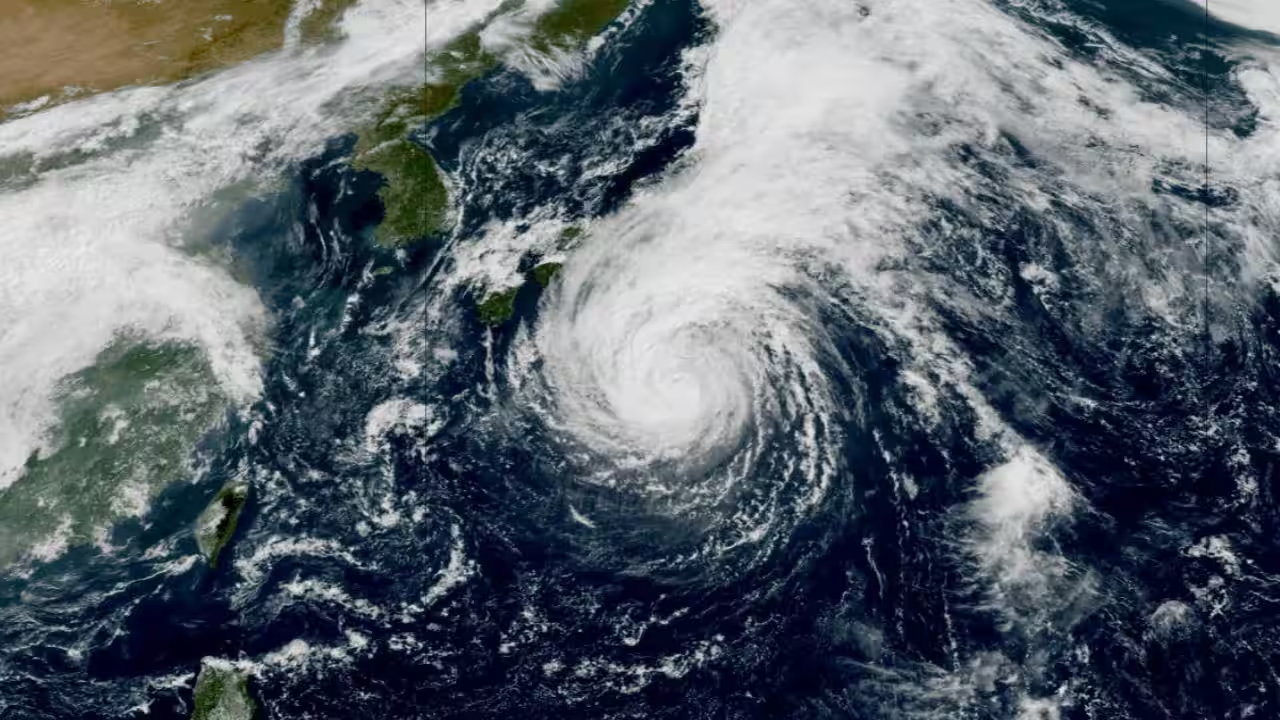
Almost two million people in Japan have been placed under evacuation orders as Typhoon Dujuan continues to hit several prefectures along the country's eastern coastline, including Kanto region.The storm has already caused significant disruptions, cutting power to more than 50,000 households, grounding hundreds of flights and halting rail services across affected regions.According to BBC, Japanese Prime Minister Sanae Takaichi has postponed her planned visit to the United States in order to oversee the situation.While Dujuan isn’t expected to hit the land, it could still cause considerable damage. The system briefly attained typhoon strength on Friday before being downgraded to a tropical storm on Sunday morning.Meteorologists forecast that it will regain typhoon status by Tuesday morning, with sustained winds expected to reach 129 km/h. Authorities have urged the public to remain vigilant and monitor weather advisories closely.This is the 25th typhoon to affect Japan this year, arriving during a five-day national holiday and prompting the cancellation of several public events.Dujuan continues to track northward along Japan's Pacific coast. The full extent of the damage caused by the storm is not expected to be known until Tuesday.Frequent typhoons due to super El Niño?Dujuan forms part of a broader pattern of intensified storm activity across the Pacific this season, a trend meteorologists attribute in part to a "super El Niño," which has elevated ocean temperatures and created more favourable conditions for storm formation.Experts quoted by the BBC note that rising global temperatures are likely to increase the average intensity of typhoons, even where their overall frequency remains unaffected.Warmer sea surface temperatures allow storms to draw on greater energy reserves, resulting in stronger winds, while a warmer atmosphere's increased capacity to retain moisture raises the potential for heavier rainfall.Although El Niño's effect on the total number of typhoons is less clear, it does appear to influence where storms develop, their eventual strength, and which countries are most likely to be affected.Catch the latest World News and Live updates. Download the TOI app.
Topics in this story
Gathered from external sources. Rights to this text belong to whoever originally published it.