62% of workers would rather their kids become electricians than software developers: How AI anxiety may be reshaping career choices
A new survey shows how parents are approaching the job talk with their kids in the age of artificial intelligence.
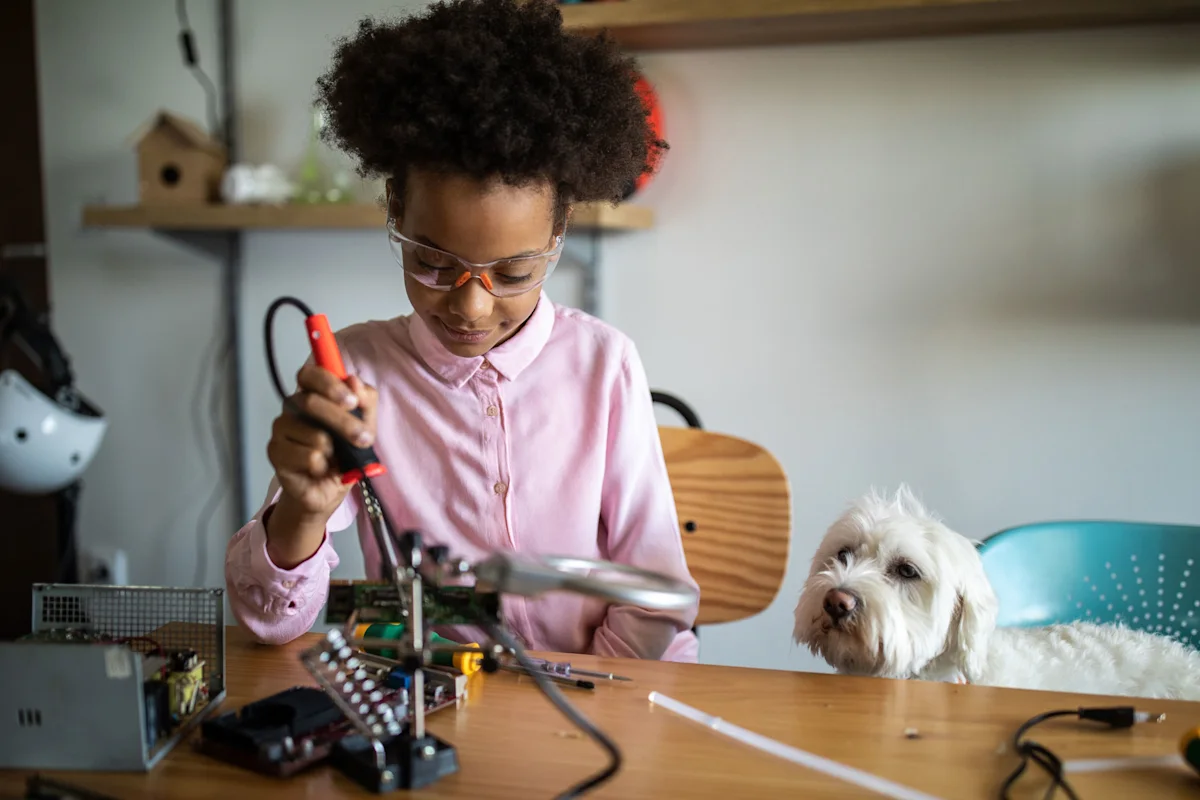
Forget computer science degrees; most parents would prefer that their kids become electricians rather than software developers.
That's according to a new survey from Careerminds , a global workforce solutions provider, that highlights anxiety over how AI might affect job opportunities and security, changing attitudes about what makes a good, satisfying job and how parents feel about their kids' futures.
It comes as young adults — especially Gen Zers — are increasingly enrolling in trade schools instead of (or in addition to) pursuing four-year college degrees.
With AI already reshaping so many industries, what do parents want for their children's future — and how are they preparing them for it? Yahoo spoke to an expert who has been asking them.
Careerminds surveyed more than 3,000 workers who said they are happy and secure in their current jobs about how worried they are that they could be replaced or affected by AI.
Nurses were the most confident about the future of their careers in the coming decade, with 81% saying they felt very or somewhat secure. They were closely followed by HVAC technicians (80%), electricians, dentists and auto mechanics (78% in each group). Notably, of the top 10 most secure job categories, only two — dentist and physical therapist — require advanced degrees (though some nursing positions, including nurse practitioners, require postgraduate education).
Job security rivals income when it comes to many workers' priorities, according to the survey results. More than 40% said they would take a pay cut today to guarantee that their job would never be replaced by AI. And " email jobs " or white-collar work might not be as enviable as it once was. More than three-quarters of survey respondents said they felt sorry for those working in fields that are at risk of AI replacement.
When asked to choose whether they'd want their children to become electricians or software developers, the majority — 62% — chose the skilled trade.
That said, it's unclear whether the survey respondents included people who work in tech, and that's exactly who Katie Shilton is interviewing for her research. The University of Maryland professor studies and teaches technology, and is compiling data from her conversations with parents in tech who are talking to their kids about the future of work. The research is ongoing, but so far, she says parents aren't ruling out careers in their industry or dissuading their kids from pursuing them. But they're considering other options too.
"These are fairly wealthy people, so I've been surprised by how open they seem to many kinds of careers" for their children, Shilton says. "People have absolutely brought up blue-collar jobs as a possibility for their kids."
Shilton is also interviewing people who have a more detailed picture of what work in tech looks like. Sure, they tell her, coding itself may not be the golden ticket it once was, but tech isn't going anywhere, and neither are jobs in the industry. But there are other options on the table.
The 'toolbelt generation' shift has already begun
Gen Z is notoriously money-conscious , and they're making moves to improve their job security in the age of AI. With or without college degrees , significant shares of Zoomers are considering or already working in blue-collar jobs or skilled trades. Trade schools are seeing a surge in enrollment, especially among Gen Zers. And AI anxiety is an oft-cited motivator, making jobs like welding look more future-proof than white-collar roles. And there's data to back up their decisions; the Bureau of Labor Statistics projects employment growth for HVAC technicians , electricians and plumbers in the coming years.
But if the young adults of today — or the children who will be entering the job market in the coming years — really want stability, they should perhaps consider nursing. Jobs in the health care sector are expected to see the most growth and are among the least likely to be replaced by an AI agent .
How parents are future-proofing their kids
It's worth noting that Careerminds didn't ask parents which career they'd most like for their children to choose. Instead, participants were just given the choice of software developer or electrician. Shilton notes, too, that in reality parents aren't always choosing their kids' careers for them. Their efforts to prepare them for the future are more nuanced. But they do include encouraging their children to think critically about AI and technology in general.
She also says that parents aren't necessarily expecting their kids to follow in their footsteps. "I suspect that is because of this trait that these are folks that didn't do what their parents wanted them to do," explains Shilton. "Many of their parents specifically wanted them to go into medicine or finance, and they chose differently."
And AI isn't the whole story. Parents are "anxious but not panicked" about how machine learning and large language models will alter their own careers as well as their children's future work, Shilton says. They just don't know what the employment picture will look like by the time their kids reach the job market.
Which is why, Shilton says, a big part of parents' efforts to prepare their kids for the future is to teach them to be nimble and open to many possibilities.
"People are saying, 'I just want my kid to be resilient and change a lot in their career. I want them to be flexible and have a broad set of skills so that they can navigate that change,'" says Shilton.
Topics in this story
Gathered from external sources. Rights to this text belong to whoever originally published it.