Iran-backed rebels capture Red Sea port, tightening grip on a key global chokepoint
Iran-backed proxies in Yemen captured strategic locations along the Red Sea on Thursday, potentially expanding Tehran’s influence over another key Middle Eastern waterway.
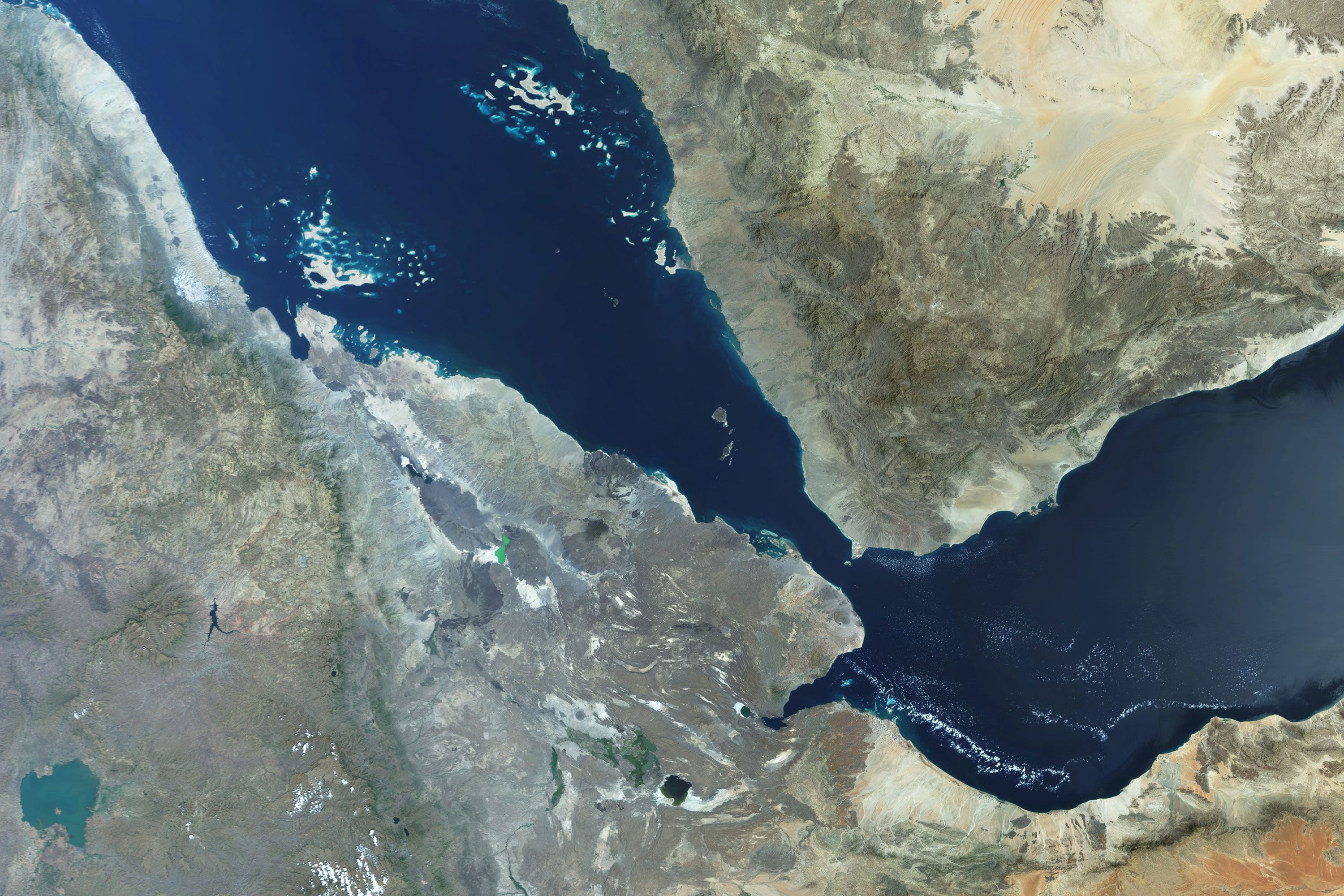
Iran-backed proxies in Yemen captured strategic locations along the Red Sea on Thursday, potentially expanding Tehran’s influence over another key Middle Eastern waterway. On Thursday, the Houthi fighters captured the town of Mocha, a crucial coastal location some 50 miles to the north of Perim, the information minister of the internationally recognized government told CNN. The news sent shockwaves across the world over the potential impact on global shipping. A gateway to the route between Asia and Europe via the Suez Canal, Bab al-Mandeb is a geopolitical chokepoint similar to the Strait of Hormuz linking Asia and Europe via the Suez Canal. While it is less critical to global trade than Hormuz, it still carries essential goods worldwide, including millions of barrels of oil every day. The development coincides with a wider regional escalation of the war between Iran and the United States, after Tehran warned this week that it would step up hostilities against the US, which maintains a stringent naval blockade of Iran and continues to launch military strikes on the country. How did we get here? After years of stalemate, fighting between Saudi-backed forces and Iran-backed Houthis in Yemen flared up again over the past month as a result of tensions caused by the wider regional conflict between Iran and the US. The Red Sea became a focal point as Iran sought ways to pressure the global economy and extract more concessions from Washington. Last month, Tehran’s proxies in Yemen, the Houthis, intensified an offensive to seize the port city of Mocha from Saudi-backed forces. A few weeks ago, more than 25 Houthi rockets slammed into the sprawling harbor as commercial ships were unloading, according to port director Abdel Malek Al-Sharaabi. Until Thursday morning, the city was under the control of the National Resistance Forces, a Saudi-backed group commanded by Tarik Saleh, a vice president in Yemen’s beleaguered internationally recognized government. The Houthis later claimed to have captured it, and reports began emerging that the group is advancing on other cities in a bid to seize the entire coastline. In an exclusive interview with CNN earlier this month, Saleh warned that if the Houthis seized Perim Island – an island lying directly on the Bab al-Mandeb chokepoint – they could gain control of the strait itself. Dislodging them would require “a massive (international) force and the navies,” he said. Why has this happened now? The Houthi offensive to capture key strategic locations along the western coast overlooking the Red Sea achieves two key objectives for the rebels, according to one expert. “They are in a good position to increase their influence around Bab Al-Mandeb…and they can now protect themselves from any ground operations that can come from this area,” Ahmed Nagi, a senior analyst for Yemen with the International Crisis Group, told CNN. Despite the stalemate that has followed the 2022 truce between the Houthis and Saudi-backed forces, tensions had been simmering between the Yemeni factions for months amid severe economic and humanitarian hardship. In July they reached boiling point when the Houthis allowed an Iranian plane – expected to carry a Houthi delegation to the funeral of Supreme Leader Ayatollah Ali Khamenei – to land in the capital, Sanaa. The move directly challenged Saudi-imposed control over Yemeni airspace and prompted retaliation from the kingdom, which ordered strikes on Houthi-controlled runways at Sanaa airport, breaking years of truce. The Houthis accused Saudi Arabia of imposing a blockade and responded by blockading Saudi ships, firing on vessels transiting waters near Yemen, and attacking oil facilities in the kingdom. The strikes also allowed Iran to increase pressure on Saudi Arabia, a US ally that hosts American troops and bases that Tehran says were used to target it. What now? The capture of Mocha could give a group trained and aided by Iran’s Revolutionary Guards greater influence in the Red Sea while expanding its control over more territory in Yemen – although experts note that the front lines keep changing. Beyond its geopolitical impact, the development risks worsening Yemen’s humanitarian crisis, already designated by the United Nations as one of the world’s worst. An effective Houthi blockade of Bab al-Mandeb would open a new front in the war with Iran and could require US military intervention, potentially weakening Washington’s ability to keep ships moving through Hormuz. It could also prevent Saudi Arabia from shipping diesel to Europe at a critical moment for the fuel market. The move also adds further volatility to oil markets, already under pressure from the very low number of vessels transiting Hormuz. Oil prices jumped 4% on Thursday, with global benchmark Brent crude hitting $105, as news broke of the Houthis gaining ground along the Red Sea. Despite the concern, several Houthis officials have signaled that the advancement does not constitute a concern for international maritime shipping. “The question now is how the Saudi-led coalition will react,” Nagi of the Crisis Group said. “This is not the end of the battle, we will probably see more developments in the coming days.”
Gathered from external sources. Rights to this text belong to whoever originally published it.