A US doctor left $1.2 million in retirement savings for his 36 grandchildren; seven years later, a beneficiary-form dispute has kept the money out of their hands
Edward Lyon spent nearly four decades as a urologist at the University of Chicago, and he wanted his retirement savings to pass to his 36 grandchildren.
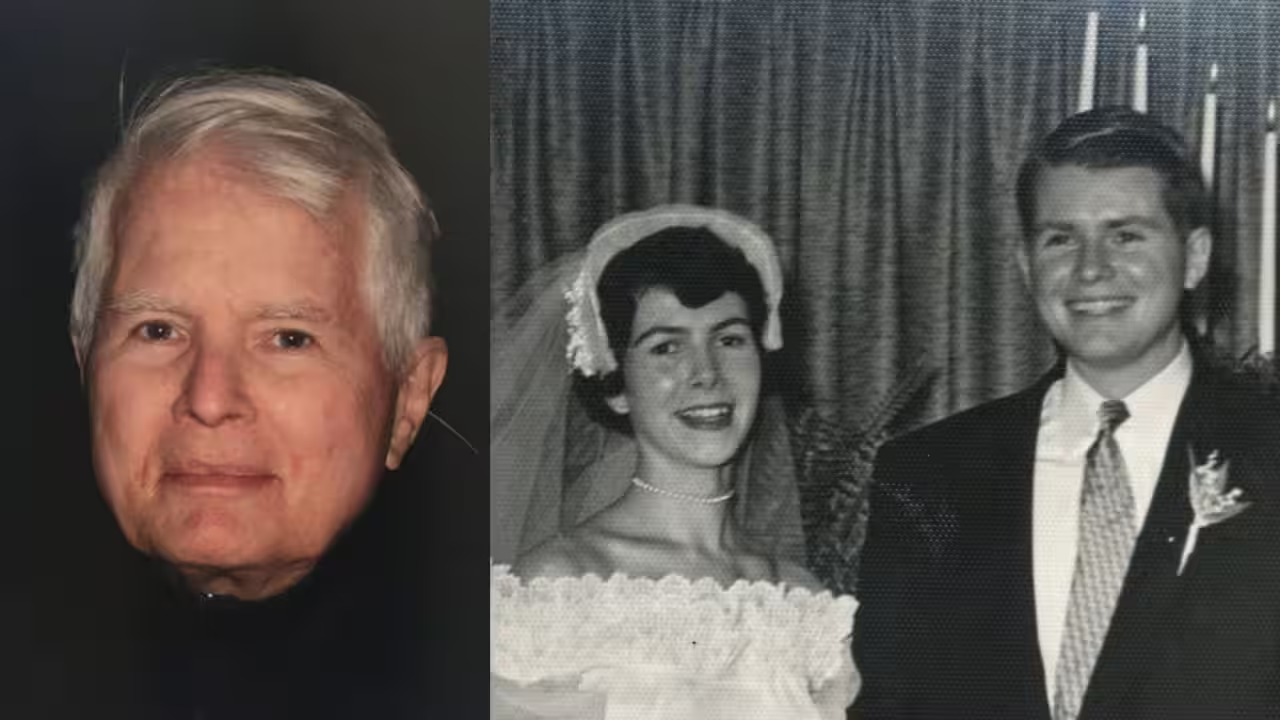
Edward Lyon spent nearly four decades as a urologist at the University of Chicago, and he wanted his retirement savings to pass to his 36 grandchildren. He died in 2019, leaving a retirement account worth $1.2 million. Seven years later, the money still has not reached them. Disagreements over a beneficiary form, a spousal waiver and the limits of a power of attorney have left the inheritance frozen, while a federal appeal continues. The case offers a warning to anyone who assumes that a will or trust will settle who receives a retirement account. Here is how it all unfolded.How Edward Lyon planned to pass his retirement savings to 36 grandchildren through separate trustsEdward and Valerie Lyon were married for 68 years and had 12 children and 36 grandchildren. In 2014, when both were in their 80s, they updated their estate plan. They named their daughter Alice as their agent for medical decisions and her husband, Dan Davies, as their agent for financial decisions. Their family trust was updated to include 36 separate trusts, one for each grandchild, to receive the retirement account after his death. The grandchildren were to receive the annual required distributions, half on their birthdays and half at Christmas, switching to monthly payments at age 60. Passing the account to the younger generation was meant to give them decades of tax-deferred growth. The estate lawyer, Pat Agnew, told The Wall Street Journal that he had instructed the family to update the beneficiary form.How a 2019 beneficiary form signed under power of attorney was rejected by TIAA, the record-keeperBy 2019, Edward was ailing and Valerie was incapacitated. Davies said he logged in to the TIAA website to double-check the beneficiary details, and the page showed the information as on file. When he telephoned, he said, the representative had no record of the update, so he completed a new form. Acting under the power of attorney, he signed to name the grandchildren as beneficiaries and to waive Valerie's spousal rights. Edward died soon afterwards. TIAA wrote to say that it could not process the 2019 form because it had not been properly signed, according to court filings. Valerie died in December 2020. In January 2022, TIAA told the family that the power of attorney had not given Davies the authority to sign the spousal waiver for her. When the family protested, TIAA suggested they contact the university.Why the university says Wisconsin annuity law voided the spousal waiver and why the family disagreesThe Lyons lived in Wisconsin, where the authority granted by a power of attorney can vary. Davies held general authority over retirement plans and specific authority to designate beneficiaries. The university argued that this was not explicit enough to cover a waiver of Valerie's rights to Edward's 403(b) account, citing a Wisconsin law on annuities that it maintained applied to employee retirement accounts. The family called that argument absurd in court filings, noting that Edward never chose the annuity option and that Valerie had already waived her annuity rights in 1998. The university dismissed the 1998 waiver as a red herring, because the plans require a fresh waiver with every beneficiary change. Agnew and another lawyer gave the university legal opinions that the documents should work as the couple intended.What the family stands to lose; decades of tax-deferred growth under inherited retirement account rulesTiming makes the stakes unusually high. Edward died in 2019, when people who inherited retirement accounts could take minimum distributions across their lifetimes, letting balances grow tax-deferred for decades. The tax law removed that stretch for most beneficiaries other than spouses who inherit in 2020 or later. Had the grandchildren, born between 1986 and 2014, been recognised as beneficiaries, they would have gained decades of compounding. If the family loses, court records indicate half of the money would go to Valerie's estate and half to Edward's trust. The grandchildren would still receive it, but they would lose those valuable tax benefits. The university says plan rules and the law bind it, while TIAA says its role was merely ministerial. Meanwhile, Davies still receives monthly statements, and the balance has climbed to $1.7 million.Why beneficiary forms override wills and trusts, and what other families have learned the hard wayFederal law generally requires employers to pay workplace retirement accounts to a surviving spouse, or to the last recorded beneficiary if the spouse has signed a waiver. In most cases, those designations override a will or trust. Other cases show the risk: one man's 401(k), worth more than $1 million, went to an ex he had split from decades earlier, because her name was on a 3×5 card, rather than to his brothers. In another case, an electrical engineer named his four children as beneficiaries of a $3 million 401(k), yet his new wife's spousal rights took precedence. A lower court dismissed the family's claims against the university and TIAA in autumn 2025, and the family has appealed to the Seventh Circuit. Alice Lyon told The Wall Street Journal, "It's his legacy, and this hits us all to the core."You use AI every day. Now get your AI Quotient. Take the AIQ test.
Topics in this story
Gathered from external sources. Rights to this text belong to whoever originally published it.