A California developer proposed a nearly 1 million-square-foot AI data centre beside homes, promising 1,600 construction jobs; residents fought back, and a judge has now required a full environmental review
A California judge has ordered a complete environmental review of a proposed artificial intelligence data center in Imperial County.
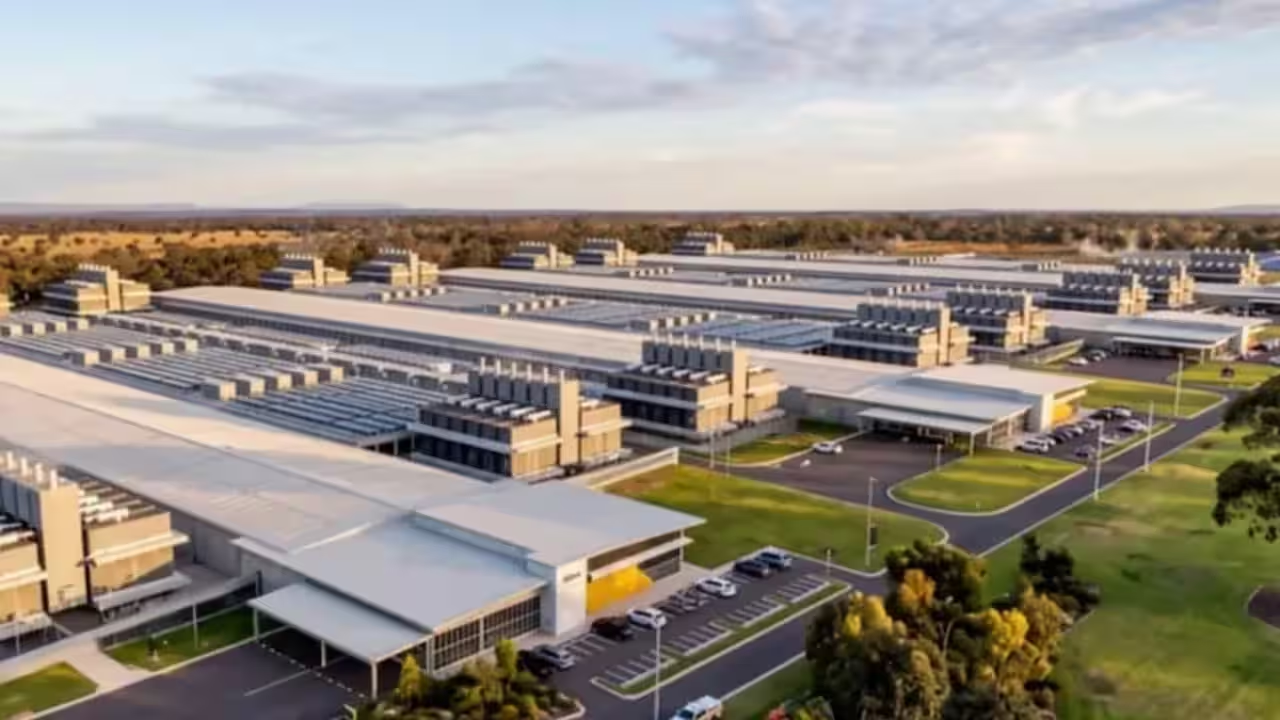
A California judge has ordered a complete environmental review of a proposed artificial intelligence data center in Imperial County. The judgement has marked a major victory for the local residents who have spent months fighting a project they believed could affect the water supply, increase emissions and also disrupt life in their community. The facility in question is backed by developer Sebastian Rucci through his company Imperial Valley Computer Manufacturing (IVCM). The facility is said to span nearly 1 millions square feet, making it to be one of the largest AI-focused data centres planned in California. As reported by Guardian, Rucci has argued that the project would help generate more than 1,600 construction jobs and nearly $30 million in annual tax revenue while helping in the establishment of an artificial intelligence infrastructure hub. But the project has now become a flashpoint in the growing national debate over the environmental impact of AI data centres.Judge sends project back to square oneThe data centre was approved by Imperial County earlier this year under an exemption from California's environmental review requirements. But following legal challenges from the City of Imperial and environmental groups, a county judge ruled that the project cannot proceed without undergoing a comprehensive environmental assessment.The decision effectively pauses development and requires officials to evaluate the facility's potential impact on water resources, electricity infrastructure, emissions and surrounding communities before construction can begin. Legal representatives for the City of Imperial said the review process could take a year or longer and would also require consideration of alternative locations.Residents push backResidents say they only learned of the project from a flyer left on doors the day before Thanksgiving last year. Francisco Leal, whose home is across the street from the site, began texting neighbours. Nearly 3,500 people eventually signed a petition against the facility, and state senator Steve Padilla introduced a series of bills aimed at data centres.Residents cited fears of emissions, harm to wildlife such as the endangered desert pupfish, strain on the power grid, noise and scarce water. The centre would need about 750,000 gallons of water a day, Rucci says, drawn from a region that depends on the drought-stricken Colorado River. He denies the project will cause such harms and says its water use is equivalent to a 160-acre farm.“This project was presented as a Noah’s Ark that’s going to come save everybody,” Leal said. “But the community sees this project as a Trojan horse.”The area has the highest poverty rate in California, at close to 20%, and one in five adults is unemployed. “Communities are asking these questions of who benefits and who pays the price,” said Carla Walker of the World Resources Institute.Lawsuits and political fightsOver the past year, more than half a dozen lawsuits have been filed, a temporary 45-day moratorium on data centres was approved, and a recall campaign targets county supervisor Peggy Price, who supported the project. That campaign is ongoing.The city of Imperial sued the county for bypassing public input and environmental review, and the Sierra Club later joined. Rucci’s company, Imperial Valley Computer Manufacturing, countersued in federal court and also sued the local irrigation district over a rejected water application. He filed defamation suits against an activist, a nonprofit and its director, and public-media station KPBS and a reporter. Those three suits were dismissed. He has appealed two of them and is working to reverse the third.At a March county meeting, protesters chanted “no datacenters” and Rucci left early. The county approved the project in April.AI boom fuels race for data centre sitesThe dispute highlights the increasing tension between communities and developers seeking land for AI infrastructure. The rapid growth of artificial intelligence services such as large language models has triggered a construction boom in data centres, which require vast amounts of computing power, electricity and cooling capacity.Developers are increasingly targeting rural and economically disadvantaged regions where large plots of land and power supplies are available. Imperial County, with its industrial zoning and access to significant electricity resources, became an attractive location despite concerns over scarce water resources and environmental sensitivity.According to Rucci, the project would eventually secure access to 330 megawatts of electricity, enough to power a sizeable city.Google link questionedRucci previously suggested the facility could support Google's AI ambitions, claiming to have secured interest from the technology giant for the project. Emails cited in the report indicated the proposed data centre could be used for AI and Gemini-related computing workloads.However, Google denied involvement in the Imperial County project and said it was not part of any data centre development in the area. Rucci acknowledged there was no formal agreement in place.You use AI every day. Now get your AI Quotient. Take the AIQ test.
Topics in this story
Gathered from external sources. Rights to this text belong to whoever originally published it.