Anonymous donor leaves rare banknotes at Edinburgh British Heart Foundation charity shop; collection sells for nearly $115,000 at auction
A charity shop donation in Edinburgh has become an unexpected headline.
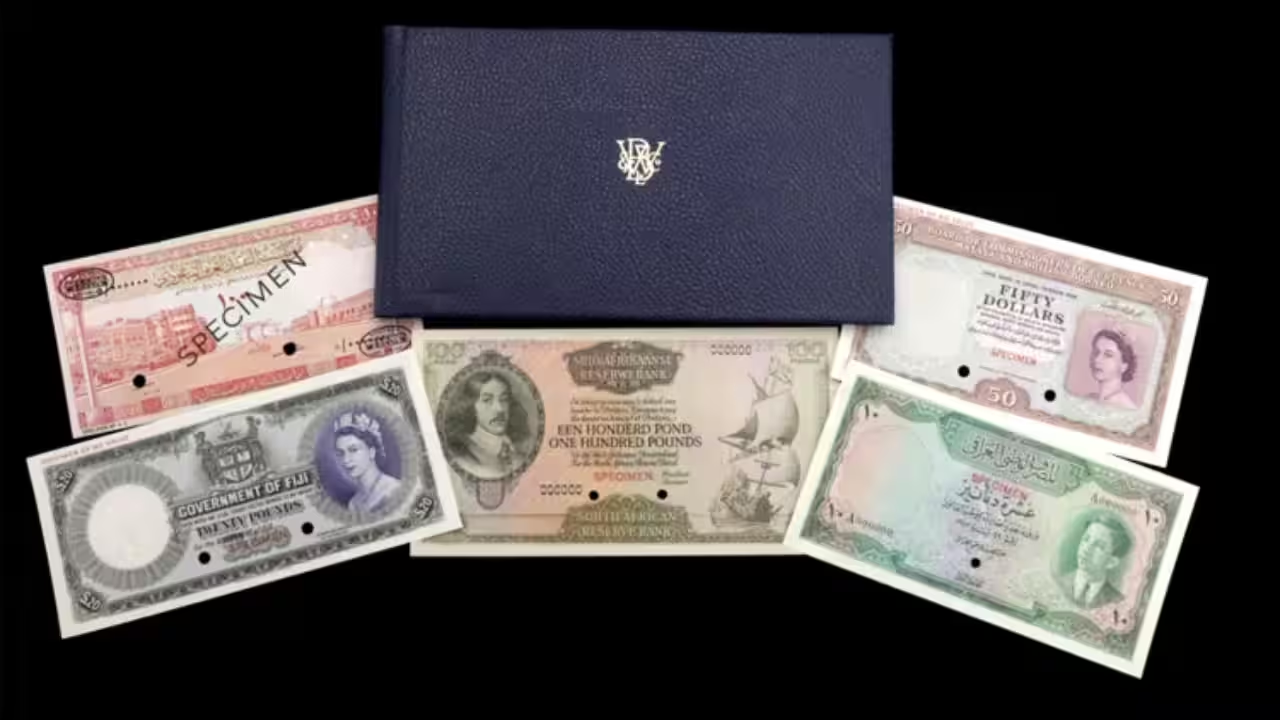
A charity shop donation in Edinburgh has become an unexpected headline. An anonymous donor left albums of rare banknotes at a British Heart Foundation shop, and staff initially didn't know what they were holding. After specialists took a closer look, the collection went to auction and raised $114,434. The sale included a note with a portrait of a young Queen Elizabeth, plus rare notes from Iraq and Saudi Arabia. Read on to learn who spotted the potential, what collectors paid, why the auction house gave up its fee, and where the money goes.How an anonymous donor's albums of rare banknotes reached a British Heart Foundation shop in EdinburghThe story began with a quiet drop-off. The banknotes arrived at the charity's Edinburgh store tucked inside a series of albums, with employees initially unaware of their potential significance. The donor remained anonymous, and the shop, which sits at Straiton Retail Park, had nothing obvious to suggest what the albums contained. According to People, the collection included nearly 160 lots of rare banknotes from countries around the world. Noonans, the London auction house that later sold them, published a press release about the sale on Thursday, October 15, one day after the auction took place. Taken together, those details describe a donation that looked ordinary at first glance but carried an enormous amount of collectable history inside its pages.Why shop staff who did not know the banknotes' value sent the collection to an eBay team in LeedsCuriosity set the process in motion. Shop manager David McCormack said in the Noonans press release, as reported by People, that he and his colleagues looked through the folders but did not know much about the banknotes, so they sent them to the charity's eBay team in Leeds to investigate. When the team uncovered their potential value, McCormack said, everyone was flabbergasted. After recognising that the collection deserved a closer look, the charity turned to Noonans to handle the sale. That chain of decisions, from a puzzled shop team to an online selling team in Leeds and then to an auction house in London, is what allowed the albums to reach collectors who understood exactly what they were looking at.What the nearly 160 lots achieved at auction, from a young Queen Elizabeth note to an Iraqi colour trialThe sale took place on Wednesday, October 14, the collection sold for $114,434, raised for the charity. Among the highlights was an uncirculated banknote with a portrait of a young Queen Elizabeth, issued by the Board of Commissioners of Currency Malaya and British Borneo. Other notable pieces included an extremely rare 1947 Iraqi 10-dinar colour trial and a specimen 100-riyal note from Saudi Arabia dating back to 1961. Andrew Pattison, head of the banknotes department at Noonans, said in the release that the notes attracted collectors from around the world, with many selling for higher prices than expected. That global interest explains how a donation of paper delivered to a retail park shop ended up commanding a six-figure sum in United States dollars.Why Noonans waived its seller's commission and how charitable sales encourage collectors to pay a little moreTwo details help explain the strong result. First, Noonans noted that it waived its seller's commission, which allowed more of the proceeds to go toward the British Heart Foundation's efforts to fund research into heart and circulatory diseases. Second, Pattison said in the release that material of this quality is extremely rare and that collectors responded extremely well, with many notes selling for a little more than normal because of the charitable nature of the sale. In other words, generosity appears to have been truly contagious: the donor gave the collection, the auction house gave up its fee, and bidders were willing to pay slightly above usual levels, all of which pushed more money towards the cause of heart research.Why checking unfamiliar donations before pricing them can turn an anonymous gift into heart research fundingThe broader lesson is straightforward. The Edinburgh team did not pretend to know more than it did. Instead of guessing a price, staff sent the albums onward for investigation, which, according to People, led the charity to Noonans. For anyone clearing out an attic or sorting inherited collections, the story suggests that old banknotes and similar collectables may be worth showing to a specialist before they are given away or sold cheaply. Noonans, for its part, handled the sale of nearly 160 lots and waived its seller's commission, showing how charities and specialists can work together. It also shows why charity shop workers who ask questions can transform a mystery donation into meaningful support.You use AI every day. Now get your AI Quotient. Take the AIQ test.
Topics in this story
Gathered from external sources. Rights to this text belong to whoever originally published it.