England released its first 6 white-tailed eagles in 2019 after a 240-year absence; by 2026, the project had produced 9 wild-born chicks, including 3 this summer
UK News: For centuries, white-tailed eagles were part of England’s landscape. Then persecution drove them out, leaving the country without its largest bird of .
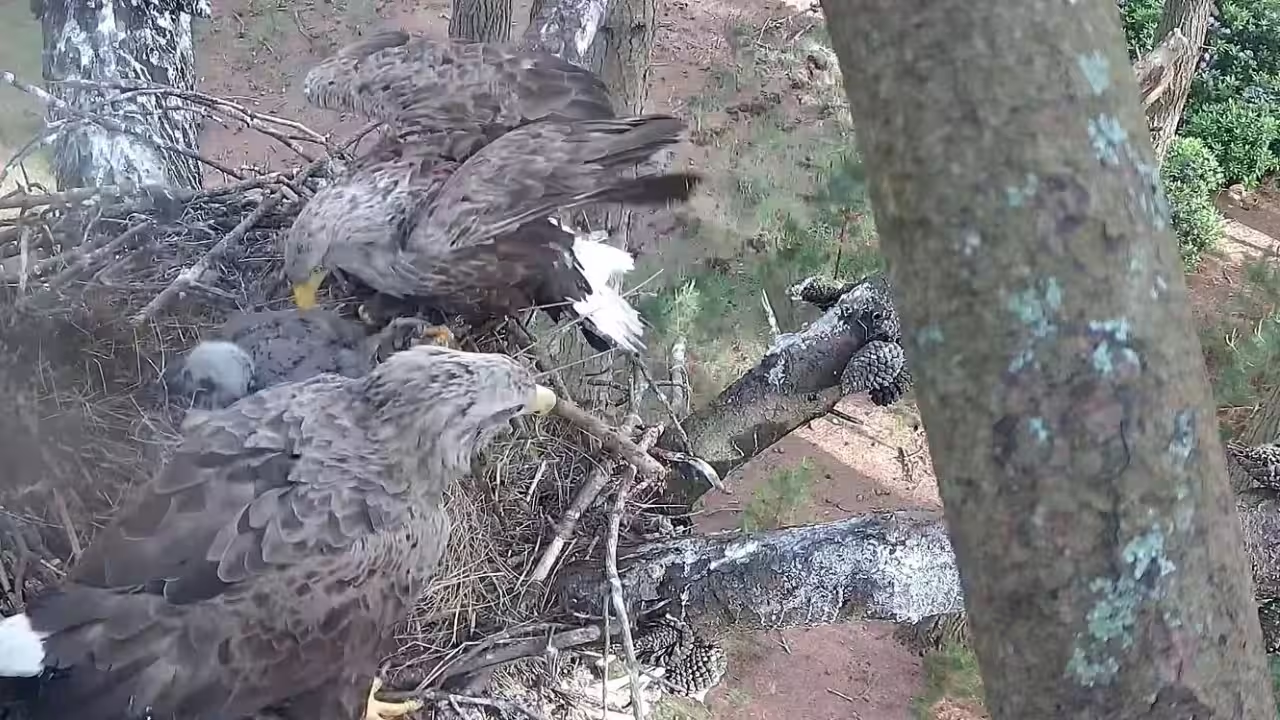
For centuries, white-tailed eagles were part of England’s landscape. Then persecution drove them out, leaving the country without its largest bird of prey for generations. Now, almost a quarter of a century after the species disappeared from English skies, a carefully managed reintroduction is beginning to reshape that story, states an online report by Forestry England. Three more chicks have fledged this summer, taking the number of wild-born young produced through the project to nine, adds the report. Scroll down to read the details of the change.Three new eagles take flightThe latest breeding success came from two established pairs descended from birds released as part of the reintroduction programme run by Forestry England and the Roy Dennis Wildlife Foundation, states the online report.Two male chicks hatched in Sussex, becoming the latest offspring of a pair that has successfully bred every year since 2023. Their parents were among the white-tailed eagles released in England in 2020 and have now become one of the project's established breeding pairs, the report states. A third male chick fledged from a nest in Dorset. The breeding pair has now successfully raised young for a second time. The achievement is particularly notable because the male adult has survived despite having only one leg, which he lost five years ago.As per the report, the three chicks were fitted with satellite tags, allowing conservation teams to follow their movements as they begin exploring the wider British landscape.A species returns after 240 yearsWhite-tailed eagles are Britain's largest birds of prey, with wingspans reaching around 2.5 metres. Once widespread across England, the species was driven to extinction in the country through human persecution. The last pair is recorded as having bred in southern England in 1780, adds the online report.The modern reintroduction effort began in 2019, when the first six birds were released. Since then, 56 young white-tailed eagles have been released into the English landscape. Five pairs from the project have now formed established bonds, with two successfully producing chicks this year. Three additional pairs are also well established, offering the prospect of further breeding activity in coming seasons.Tracking what the eagles eatSatellite monitoring has become an important part of understanding how the reintroduced birds are adapting. Data from previous fledglings has shown the young eagles travelling widely across the UK as they establish their own territories.This year, researchers also gained a closer look at what the breeding birds were feeding their young. Specialist cameras positioned near the nests recorded more than 300 instances of food being brought to the chicks. Fish dominated the menu, reflecting the species' close association with wetlands, rivers and coastal environments, explains the online report.Expanding the reintroductionThe programme is continuing to grow. Five young eagles were released this summer from the project's base on the Isle of Wight, while six additional birds were released at Exmoor National Park for the first time, in partnership with the Exmoor National Park Authority. The releases are carried out under licence from Natural England, while birds destined for reintroduction are collected from wild nests in Scotland under licence from NatureScot, adds the online report by Forestry England.For a species absent from England for more than two centuries, the sight of wild-born chicks taking their first flights represents a significant shift. With established pairs now raising young of their own, the white-tailed eagle's return is moving beyond a release programme and toward a self-sustaining presence in England's skies.Image Courtesy: Forestry EnglandCatch the latest World News and Live updates. Download the TOI app.
Topics in this story
Gathered from external sources. Rights to this text belong to whoever originally published it.