In 2020, David Attenborough helped raise £1 million to save the reserve he opened in 1966; its 220 hectares have recorded 2,500 wildlife species, including 250+ bird species
In 2020, David Attenborough successfully raised over £1 million to protect a nature reserve he opened in 1966, home to 2,500 wildlife species, including more than 250 bird species. Discover the importance of this conservation effort.
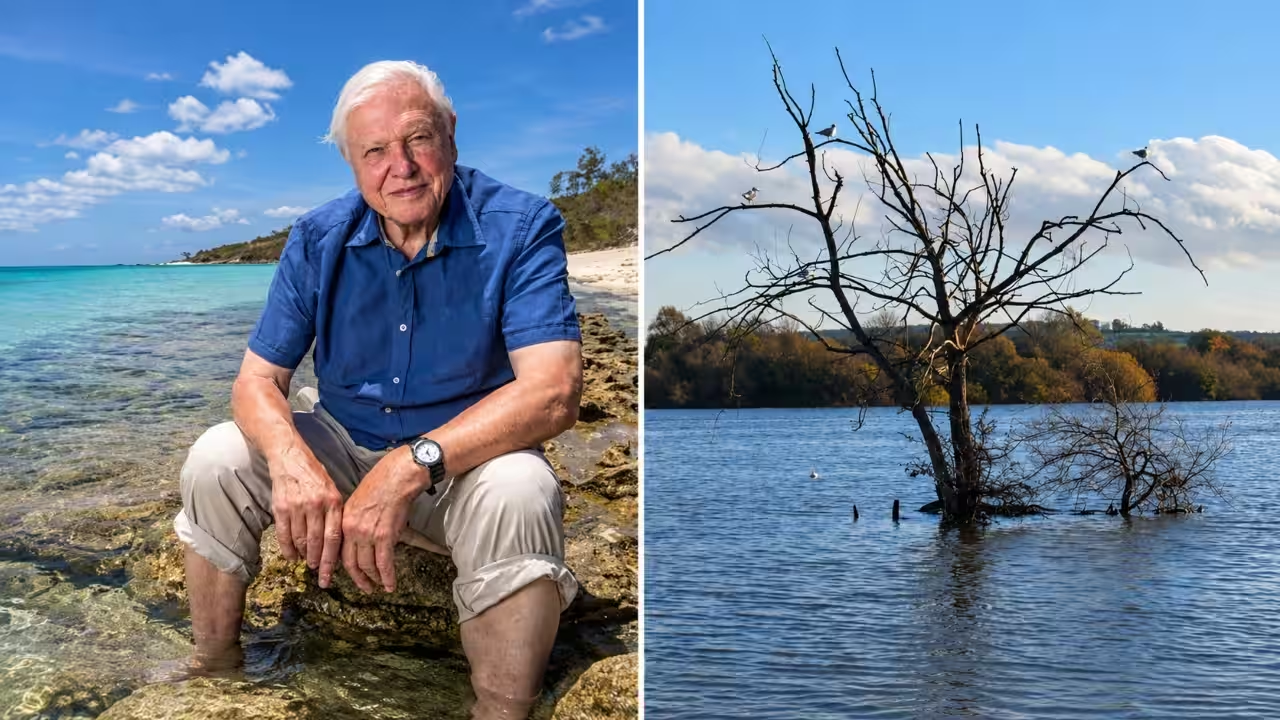
When naturalist and TV broadcaster David Attenborough opened a nature reserve in Nottingham, England, on April 30, 1966, its future as a wildlife sanctuary had just begun. More than 50 years later, in 2020, he became an advocate for a fundraising drive to guarantee the site’s future. The drive managed to raise £1,133,000 in less than three months. This helped Nottinghamshire Wildlife Trust buy the reserve and protect its habitats for the future. The 220-hectare Attenborough Nature Reserve is now known for its wetlands and diverse wildlife.From past gravel pits to a wildlife reserveThe reserve’s landscape has a history that is shaped by industry and local conservation efforts. The area was once used for sand and gravel extraction, thus leaving behind flooded pits and islands. A suggestion made in the 1960s to fill the lakes with pulverised fuel ash from power stations was met with resistance from conservation organisations and local inhabitants. This resistance ensured that the idea did not succeed and also helped in setting up the region as a nature reserve. According to Nottinghamshire Wildlife Trust, the site was formally designated as its first managed nature reserve in 1966 under a collaborative lease agreement with the industrial landowner, initiating a multi-decade partnership where the extraction company restored exhausted pits into wetlands while the charity managed the surface habitats.On April 30, 1966, Attenborough opened the reserve during the National Nature Week. The opening marked the beginning of a long association between the site and the TV broadcaster. The evolution of the nature reserve shows that a landscape scarred by quarrying can become a vital habitat when safeguarded through wildlife conservation efforts.Currently, the 220-hectare reserve comprises a complex of flooded former gravel pits and islands. Wetlands, lowland meadow and pasture, and wet woodland are all included in the current habitat. These varied environments support birds and other wildlife while providing visitors with walking trails, birdwatching opportunities and access to the nature centre. The habitats that have developed on a former industrial site and are now being managed for conservation are what make the reserve an important site.The 2020 appeal to secure its futureIn November 2019, Nottinghamshire Wildlife Trust announced that it was seeking to buy the reserve from CEMEX UK, the company previously associated with the site’s quarry operations. The aim of the purchase was to secure the reserve’s long-term future and provide the charity with greater control over the management and protection of its habitat. The Attenborough Lifeline Appeal was launched by the Trust to raise an initial £1 million public target toward the acquisition and future maintenance.By February 5, 2020, the appeal had raised £1,133,000. This figure included a huge grant from the Biffa Award, as well as contributions by members of the public and others. As reported by ITV News, the Broxtowe Borough Council had donated £75,000. In addition, the backing by Attenborough added weight to the appeal. Reaching the fundraising target after support from multiple sources allowed the Trust to move into legal negotiations with CEMEX UK.A record of more than 2,500 wildlife speciesThe reserve is famous for its birdlife. Nottinghamshire Wildlife Trust notes that over 250 bird species have been seen there, including birds of the wetlands and those that visit the area in the migration periods. Kingfishers, bitterns, sand martins, herons, grebes and waterfowl are some of the birds you can find there. The wider wildlife tally is reported at approximately 2,500 species across different groups, including birds, mammals, insects, plants and other wildlife. The diversity reflects the range of habitats across the site, from open water and wetland edges to meadows and woodland.The acquisition process ended on December 15, 2020, when Nottinghamshire Wildlife Trust declared legal ownership of the site. According to the Trust, they were only able to accomplish the ownership process because of Biffa Award funding and the help of people. In this way, the charity got an improved foundation for further conservation activities, which they used to carry out in this reserve. By the autumn of 2026, the Trust made effective use of this ownership to carry out long-term access upgrades, which led to the planning consent granted by Broxtowe Borough Council for the demolition and rebuilding of the Works Bridge, which had become obsolete, along with the development commitment of £200,000 from the East Midlands Mayor for the on-site Nature Centre.You use AI every day. Now get your AI Quotient. Take the AIQ test.
Topics in this story
Gathered from external sources. Rights to this text belong to whoever originally published it.