In 2022, 11 zoo workers rode out Hurricane Ian at Central Florida Zoo, staying around the clock so every animal continued to receive care through the storm
A dedicated team of 11 zoo workers remained on-site at Central Florida Zoo during Hurricane Ian, ensuring the safety and care of over 400 animals while facing severe storm conditions.
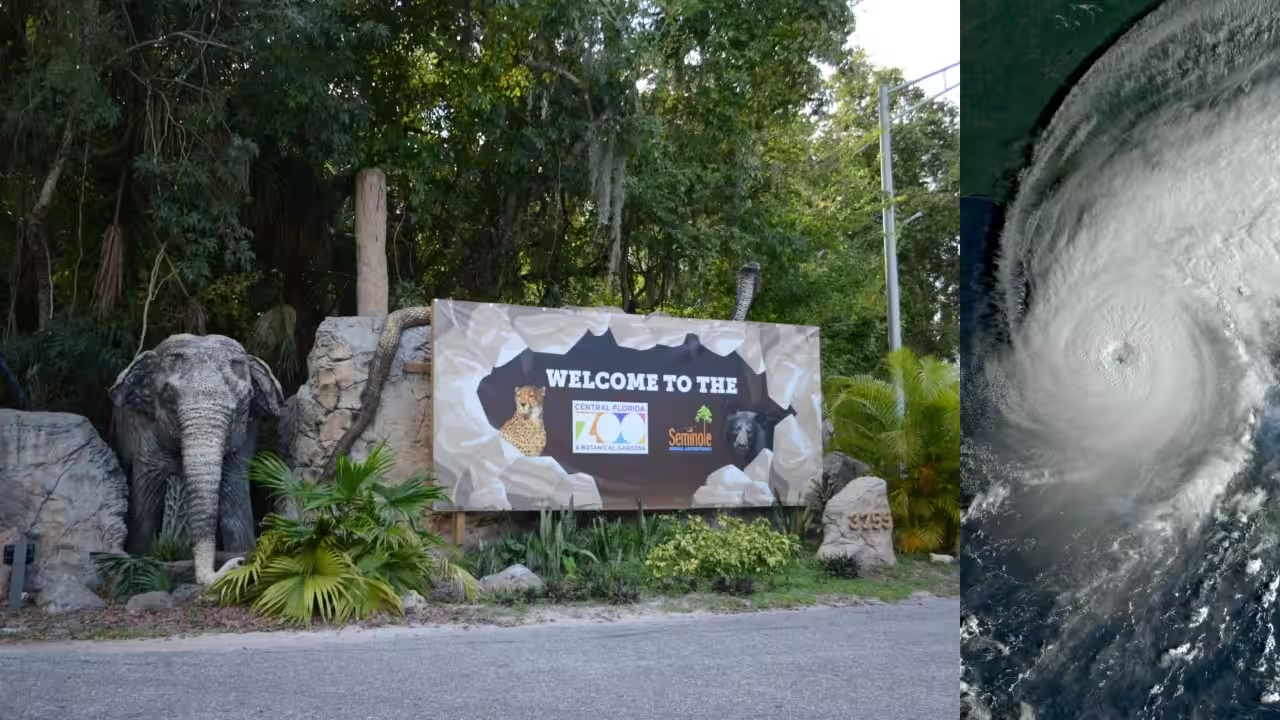
When a hurricane threatens a zoo, staff can choose whether to evacuate. The animals can't, and they still need food, warmth and veterinary care during a storm. Many zoos keep a small ride-out crew on site during storms. In September 2022, the Central Florida Zoo and Botanical Gardens in Sanford put that strategy to the test. According to the zoo, from Wednesday through Friday, a team of 11 animal care, veterinary and facility professionals from the Central Florida Zoo remained at the zoo 24 hours a day. The outcome was successful, all the animals and crew stayed safe, although the storm caused heavy damage around the grounds. The episode shows how preparation and a small on-site crew can protect animals during a hurricane.Inside the ride-out crewIt was a team of mixed skills, and that counted. "Zookeepers fed and cared for the animals daily, veterinary staff stood by for any medical problems, and the facilities crew maintained the buildings and grounds. The zoo, home to more than 400 animals, closed to visitors on September 28, the day Ian made landfall on Florida's west coast.Preparation had begun days earlier. The animal care staff is getting additional food and medication and moving it to locations that won't flood," Christopher Torge, the zoo's head of animal operations, said ahead of the storm. The veterinary staff confirmed that zookeepers had all the medicines they would need, and the nutrition crew arranged meals to last several days. ABC News reported that the birds were kenneled and moved to a safe building where the crew would also shelter, with extra food, blankets and toys to keep them calm.The zoo said in its statement that all of its animals had safe, secure quarters to ride-out the storm and that every bird was brought indoors for extra protection. That routine work can make the difference between safety and disaster.What Hurricane Ian did to SanfordIan was a wild tempest even when far from where it initially made landfall. The National Hurricane Center said it made landfall in southwestern Florida as a Category 4 hurricane and caused record freshwater flooding across much of central and northern Florida. Its assessment says Ian damaged 1,656 structures in Seminole County, home of the zoo, and more than 250 water rescues in central and eastern Florida.Zoo officials who walked the grounds Friday found fallen trees, damaged fences, two buildings with water damage and debris in the walkways. The Wayne M. Densch Discovery Center suffered the worst damage, with water bubbling up from bathroom drains and storm water forcing its way into the back of the building. Repairs were estimated to take a month or more.The greater surprise came days later. Stormwater flowed towards Lake Monroe and started rising rapidly Sunday night, and by Monday morning the only road in and out of the zoo was overflowing. That morning, managers sent non-essential staff and volunteers home and devised a plan to ferry essential workers in and out each day to tend to the animals, including a second ride-out team if one became necessary. From then on, Glover said, staff were on site every day, even when the water made the road impassable. The zoo reopened on October 26 after a four-week closure, and CEO Richard Glover estimated damage and operating costs at more than $800,000.Why zoos plan like thisThe vast majority of zoos do not evacuate their animals, and there are good reasons for this. Because hurricanes can change direction at the last minute, transferring animals can mean driving them right into a more dangerous spot, Zoo Miami explained. The stress of transit can be more dangerous than staying in a secure building during the storm. The safer way is to bolster the housing and keep the people with the animals.Past calamities have also helped shape planning. A US Department of Agriculture gap analysis of zoo and aquarium resilience in the aftermath of Hurricane Katrina in 2005 revealed that facilities with pre-catastrophe action plans did better and recovered more, according to the AZA, the Association of Zoos and Aquariums.Other zoos do things that way. In Houston, the Houston Zoo had 15 team members on site the first night of Hurricane Harvey, sleeping on cots on the floor and using radios to ensure every animal had the correct feed, NPR reported. At Central Florida Zoo, staff also faced damage and losses at home but put the animals first, CEO Richard Glover said in an October 7 note. That part of the story is harder to capture in a checklist.The Sanford example shows how ride-out crews work in practice. The flooding that followed kept the zoo closed, but every animal stayed safe. Storms can only be anticipated so far, which is why zoos rely on preparation and a small crew willing to stay.You use AI every day. Now get your AI Quotient. Take the AIQ test.
Topics in this story
Gathered from external sources. Rights to this text belong to whoever originally published it.