During WWII, Gunner Norman Ellor filmed a cheeky love message for his fiancée in Burma; decades later, their sons watched it alongside the couple’s wartime letters and journals
Explore the romantic wartime message from Gunner Norman Ellor to his fiancée Betty, as their sons discover heartfelt letters and journals offering deeper insights into their parents' enduring love during WWII.
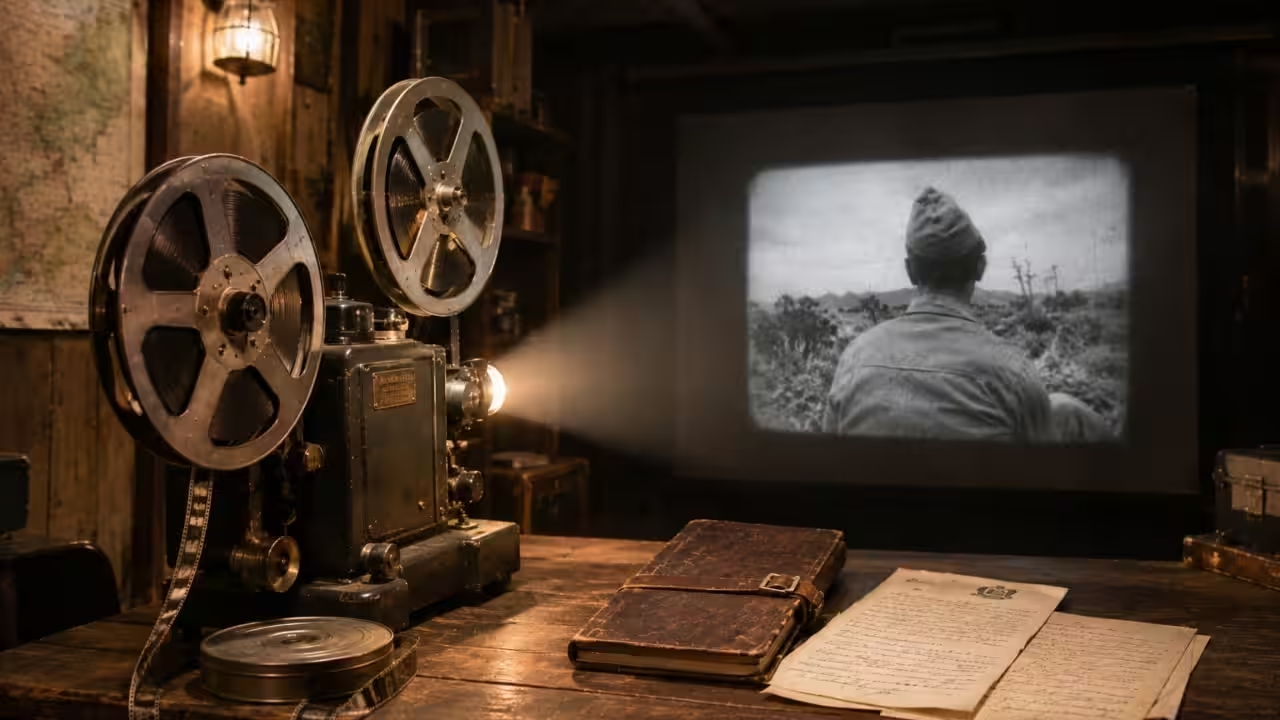
Once, a British soldier stood before a camera, bare-chested, and delivered a message for the woman who was waiting for him at home. Gunner Norman Ellor began his message saying, “Betty darling, you’ve often said in your letters that you’d like to see me.Well, here I am.” He then cheekily added that he hoped she was sitting in the front row and would get a good look at him. Norman ended his message by expressing how much he loved her. This playful recording was a part of a wartime effort to connect the British troops who were serving overseas. Decades after the message was recorded, Norman and Betty’s sons watched the video and explored a collection of their parents’ wartime love letters and journals. Those correspondences showcase the depth behind their father’s light-hearted performance.A message for the woman waiting at homeAccording to Channel 4, Norman and Betty had known each other since they were very young and became engaged shortly before he left for Burma. At the time, communications between families living in Britain and the soldiers serving overseas were extremely difficult. One such option for communication was letters; however, those travelled slowly, and some never arrived. In addition to that, home leave was not easily available for the troops serving in the Far East; thus, many were unable to see their loved ones for years.This filmed message from Norman offered Betty a chance to see him after ages rather than simply reading his words. In his short address, he spoke directly to her and joked about his appearance. The recording belonged to Calling Blighty, a series of short films made between 1944 and 1946 by the Directorate of Army Welfare in India. To improve morale among the servicemen, this project was initiated. Camera crews filmed soldiers delivering personal messages, which were then sent back to their towns and communities. Families and friends were invited to watch the footage at special screenings in local cinemas.According to Channel 4, 391 films were produced. Each of them lasted around 10-15 minutes and featured approximately 8,000 men and a small number of women. The North West Film Archive reported that soldiers usually delivered the messages while looking straight at the camera, and often in a single take.The letters exchanged between them showcased a different side of NormanYears following the Second World War, their sons, Steve and Rob Ellor, discovered a collection of love letters and journals that belonged to their parents. The documents offered a more private account of Norman’s experience in the war. While his on-camera message was cheeky and affectionate, his wartime writings shed light on how much he missed home and how difficult it was for him to continue fighting.Furthermore, the correspondence revealed that the separation sometimes placed pressure on their relationship. According to their son Steve, Norman began referring to jealousy in his letters as the distance continued. Steve also described his mother as a lifeline for his father throughout his time in the Army. Therefore, these letters contributed more context to the filmed message.A marriage that survived separationThe wartime separation did not prevent the couple from building the life that they had hoped for. Betty waited for Norman to return home, and they got married just 10 days later under a special licence. Channel 4 describes their subsequent marriage as a long, happy one. Meanwhile, for their sons, seeing the decades-old footage offered a rare glimpse of their father as a young man looking into the camera and speaking to the woman he one day hoped to marry. Rob described watching it as looking through a time capsule into the 1940s.You use AI every day. Now get your AI Quotient. Take the AIQ test.
Topics in this story
Gathered from external sources. Rights to this text belong to whoever originally published it.