After 25 years as a domestic worker, Martha Matilda Harper saved $360 to open a Rochester, NY salon in 1888; she pioneered modern franchising
Discover the inspiring story of Martha Matilda Harper, a domestic worker who became a salon owner and franchising pioneer, transforming women's hair care and empowering women in the 19th century.
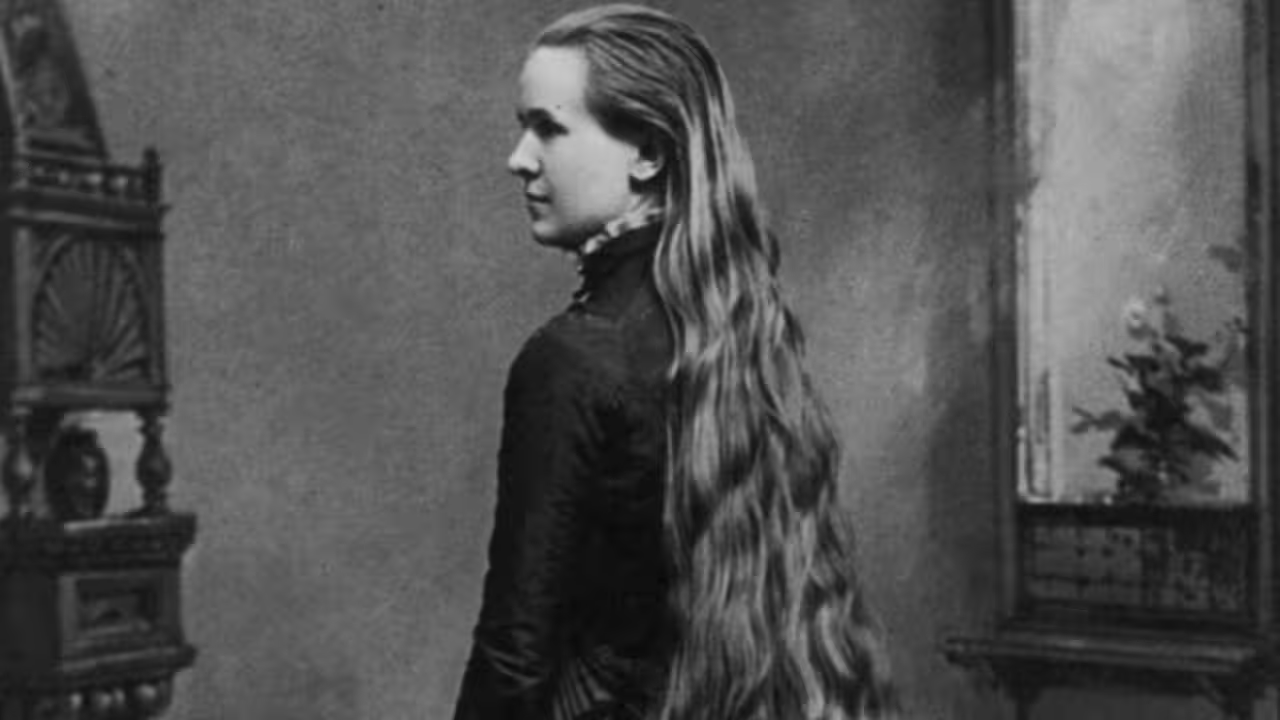
In the late nineteenth century, women usually cared for their hair at home, with some brushing, homemade remedies, oils and beeswax. The idea of going into a shop for a scalp treatment was often ignored or far beyond their reach. Then a woman named Martha Matilda Harper changed that. Harper spent about 25 years in domestic service before she opened her first salon in Rochester, New York, in 1888. She used $360 of her own savings, roughly $10,000 in today’s money, according to UNH Paul College. Harper relied on a hair tonic formula passed down by a doctor she had once worked for. Researchers at the Kellogg School of Management at Northwestern University describe her as the founder of the franchise model for business growth and say that she built this business model to help and lift young women out of poverty and domestic service by turning them into business owners.From domestic worker to a salon owner Martha Matilda Harper was born in 1857 in Ontario, Canada. She was sent out to work as a domestic worker at the age of seven. She worked in domestic service for nearly a quarter of a century, first in Ontario and then in Rochester, where she arrived in 1882. Along the way, she also worked for a doctor who taught her how a clean, well-stimulated scalp supports healthy hair. Later on, inspired by the doctor’s method, she came up with the herbal tonic recipe that she later built a business around.First hair salon in the city Rochester was also a home to Susan B. Anthony and a lively circle of women activists. Harper was encouraged to strike out on her own. In 1888, she set up shop in the Powers Building in downtown Rochester, a prestigious address picked to draw the city’s social elite and opened the first public hair care salon in the area. Her own floor-length hair worked as her advertisement. In the shop, she hired women from the same background she came from, including former servants who were trained in her methods. Women who visited from other cities wanted a Harper shop in their own communities and that created an issue familiar to any successful shop owner.The franchise ideaRather than open branches and run them all herself, Harper offered ownership to women she trained. According to the Rochester Museum & Science Centre’s guide to her papers, the first franchise shop opened in Buffalo, New York, in 1891 and more than 500 Harper Method shops opened in the United States and overseas during her lifetime. The owners were known as Harperites. They learned a method built around cleanliness, scalp stimulation and exercise and used only Harper products.Training did not stop after opening day. The company held reunions, continuing education sessions and the monthly magazine kept owners informed about business matters while building the sense of community among them. It is fair to call her a franchise pioneer; the model did not become a dominant way of extending a business until decades after her salons first opened.A lasting legacy The National Women’s Hall of Fame says hundreds of women became shop owners by buying into her network through flexible financing and thousands more trained and worked in it. Her system combined centralised management, quality control and independent ownership. The hall also credits her with employment practices that were unusual for the period, including child care, evening hours, flexible time, profit sharing and paid personal time off.Harper mainly relied on naturally occurring substances and refused the newer chemical hair dyes and synthetic permanents. The Rochester Museum & Science Center credits her with the invention of the reclining shampoo chair and the basin with a neck cutout, though she never patented either, so she never received legal recognition for them.Just like that, in her own community, she became the first woman member of the Rochester Chamber of Commerce and her customers reportedly included Susan B. Anthony and President Calvin Coolidge, who is said to have visited her Paris shop for scalp massages. Harper died in 1950 and the business she started carried on until 1972. A woman who had spent roughly 25 years as a house worker opened a salon in Rochester, which gained quite a success in its time and also helped many women financially.You use AI every day. Now get your AI Quotient. Take the AIQ test.
Topics in this story
Gathered from external sources. Rights to this text belong to whoever originally published it.