Somalis, roiled by famine and climate displacement, brace for El Niño
Thousands of people in Somalia have already left their villages to seek refuge in bigger cities in the Horn of Africa amid a hunger crisis. Many are desperat...
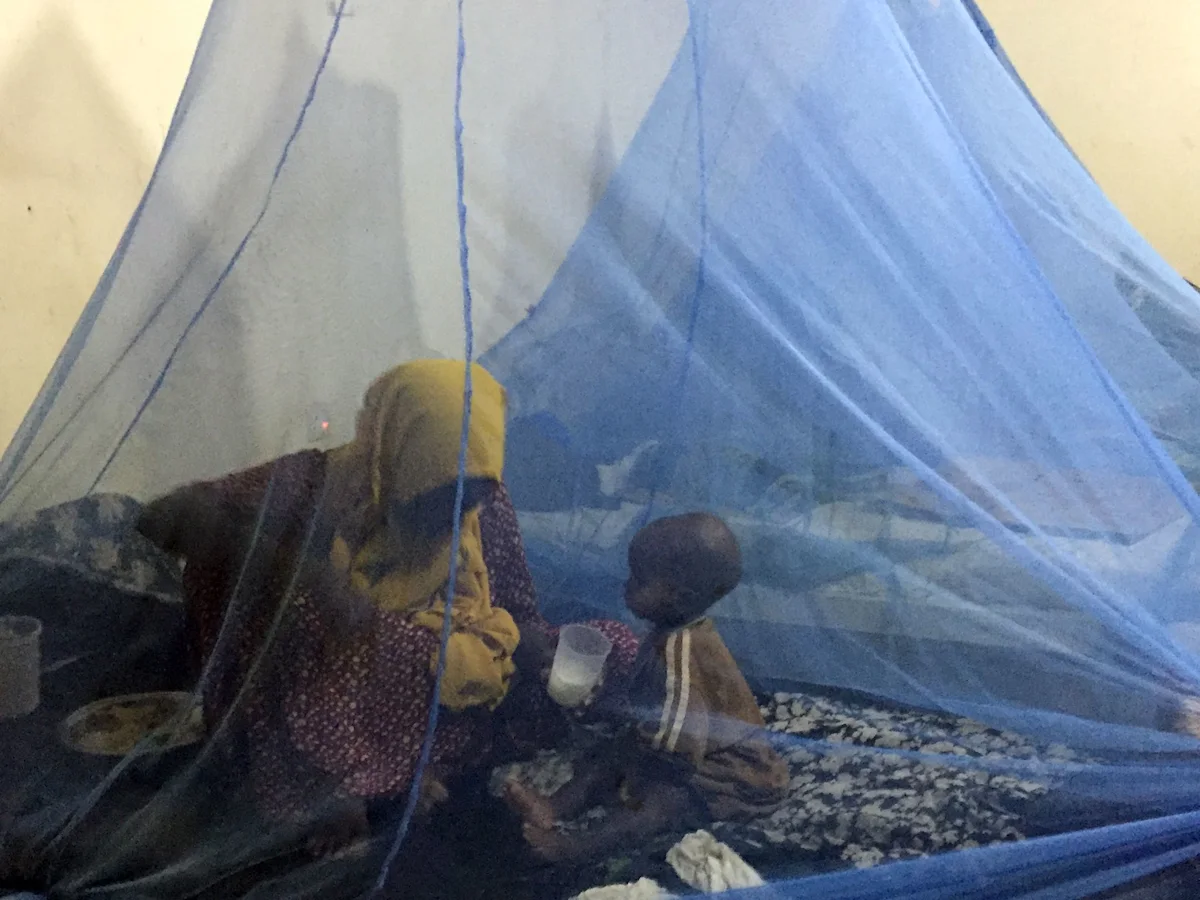
Thousands of Somalis are fleeing their villages due to a hunger crisis exacerbated by drought and low crop yields, with many facing malnutrition and food shortages.
The looming El Nino weather phenomenon is expected to bring fresh floods to Somalia, further worsening the already dire situation for displaced people, with international support plummeting by 88% compared to the previous year.
Lack of funding for aid work, rising fuel and food prices, and the potential spread of diseases like cholera and malaria pose additional challenges for response teams and vulnerable populations in Somalia as they brace for the impact of El Nino.
Thousands of people in Somalia have already left their villages to seek refuge in bigger cities in the Horn of Africa amid a hunger crisis.
Many are desperate after months of drought and a harvest that only made about 20% of average yields.
Most Somalis are pastoralists, relying on their herds to survive. But many cows, sheep and goats have died in the ongoing drought.
The Somali government declared a food emergency last November and the situation improved slightly.
But many herders and farmers are still trying to recover from a drought followed by heavy flooding in 2022 and 2023. Now, they face the same scenario all over again.
After months of drought, fresh floods are forecast once El Niño reverses the traditional arid conditions.
The World Meteorological Organization expects this year's El Niño in October - and all prognoses are dire. A very powerful El Niño may significantly shift rainfall and temperature patterns worldwide and fuel extreme weather, the UN agency says.
"El Niño is being supersized before our eyes. The science leaves no room for doubt: the planet is in uncharted waters, and those waters are heating up. Sea surface temperatures are rising, temperatures keep climbing, and the world is in the danger zone of extreme weather," UN Secretary-General António Guterres said in early September.
Somalia is one of the countries where climate related displacement is not a future threat but a painful reality.
It means cities including Mogadishu or Baidoa see hundreds of new arrivals, building provisional shelters that are unlikely to withstand heavy rain.
And one in every two children screened in displacement sites in Baidoa is acutely malnourished, according to aid organization Doctors Without Borders (MSF). One in every four is severely malnourished.
"What we are seeing is shocking and far beyond the threshold of an extremely critical emergency," MSF's project coordinator in Somalia, Allar Ali, said during a recent briefing in Nairobi.
"The world cannot wait for a famine declaration before acting," says Ali. "Action is needed now to prevent loss of lives."
But not enough money is available. The malnutrition situation has already reached the levels of 2022, MSF says. Some 6 million people in Somalia — about one in three — faces food shortages.
Among them, nearly 1.9 million people are in an emergency and need urgent help.
But international support has plummeted by 88% compared with 2022.
"These funding cuts are blocking access to health care, they are leading to the closure of nutrition services, they are pushing all the vital things that children need – water, education, protection – further and further away," says James Elder, spokesman for the UN children's fund UNICEF.
"And as always, it is the children who pay the price," he told dpa.
Some 50 health care centres have been forced to close due to such cuts, says Sarah Easter, emergency communication officer for Care in Germany.
The aid organization has also been forced to halt many projects since the end of May due to a lack of funding.
The centres treated malnourished children, as well as youngsters suffering from malaria or diarrhoeal diseases.
This is not an isolated case. "If the trend continues until the end of the year, more than 630 will be closed," she told dpa. "This is really a catastrophe, especially in view of El Niño."
Stagnant water means contaminated water and lots of mosquitoes. In such situations, diseases such as cholera spread rapidly. Malaria is also widespread.
Children who are already weak and malnourished are at the greatest risk.
"In the camps I visited in Mogadishu, there are no longer any health centres, there is no more food distribution, there is no more water distribution, there is no more cash aid. There are no longer any projects that are for women and girls who have experienced violence," Easter says.
Somalis are not only suffering from the lack of funding for aid work. The war in Iran and the shipping halt in the vital Hormuz Strait means fuel and food prices are rising.
"A sack of rice has become at least 1.5 times more expensive,", Easter says. "Humanitarian aid has also become incredibly more expensive."
Peanut paste, given to malnourished children under 5 years, used to cost $139 for a box containing 500 packs. It now costs $200, Easter says. "And we expect it to go up even further."
She fears what is to come. Response teams are struggling, though they will be sorely needed if El Nino brings flooding, as is forecast.
The Somali Disaster Agency says it had helicopters in 2023 - the UN had helicopters that could fly food aid to affected areas and evacuations were also possible.
"Back then, they had 40 helicopters that flew non-stop, all day long," Easter says.
"This year, there are no helicopters, and only six boats out of the 60 they had last time, to reach people in flooded areas."
Topics in this story
Gathered from external sources. Rights to this text belong to whoever originally published it.