What to Know About the Up&Up Baby Wipes Recall at Target
Target has recalled Up&Up Baby Wipes for having life-threatening bacterial contaminants — I spoke to a pediatric infectious disease specialist to find out how this could effect you and your family.
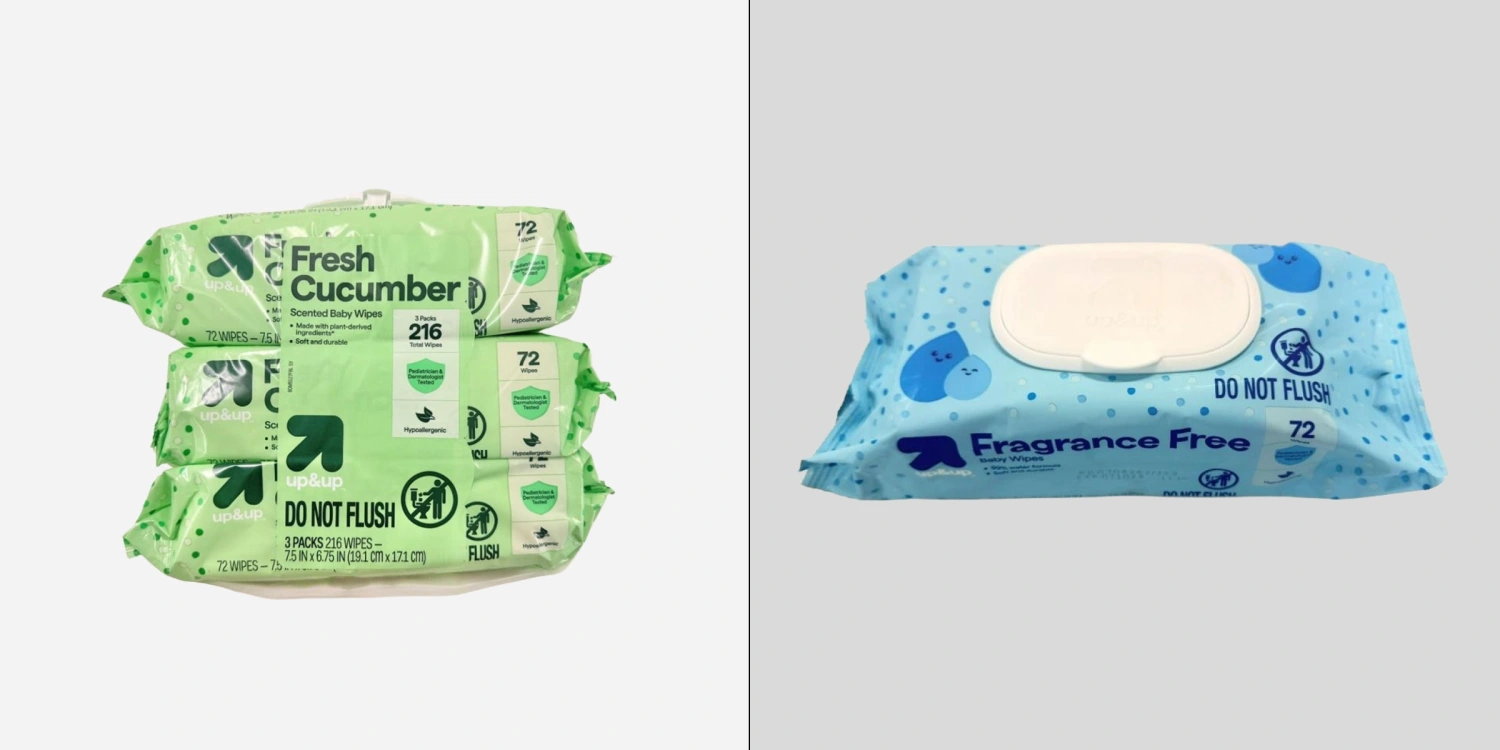
These days, it feels like there’s a major food recall (or two) each week — so much so that some crucial non-perishable ones may not have landed on your radar as you focused on whether your eggs have salmonella or if your frozen blueberries need to be thrown out. But Target’s recall of Up&Up baby wipes is one parents and other caregivers should not ignore. The retailer recalled the wipes after consumer complaints led to the Food & Drug Administration (FDA) testing them, which revealed the presence of several serious contaminants in the tested samples — critical news for anyone shopping for supplies for babies and toddlers. I spoke to Dr. Sharon Nachman, a board-certified pediatric infectious disease specialist and professor of pediatrics at Stony Brook Medicine, to find out more about the potential dangers of the contaminants. Keep reading to learn more about the specific wipes that have been recalled, along with alternatives that parents can use if baby wipes are off the changing table for them. Why were Up & Up Baby Wipes recalled? Target voluntarily recalled Up&Up Fragrance Free and Up&Up Fresh Cucumber Scented Baby Wipes after customers raised concerns about discoloration in the wipes. Following this, FDA testing identified the presence of two contaminants, Burkholderia cepacia complex and Burkholderia gladioli in samples of the wipes. The recalled products include Up&Up’s Fragrance Free Baby WIpes in 20, 72, 216, 800 and 1200 count packages with expiration dates from May 10, 2028 through November 5, 2028, along with Up&Up Fresh Cucumber Scented Baby Wipes in 72, 216 and 800 counts with expiration dates from June 29, 2028 through June 30, 2028. According to the FDA, using products contaminated with Burkholderia cepacia complex and Burkholderia gladioli can have severe and potentially life-threatening effects. The bacteria can cause skin infections even in healthy people, says Nachman, and the risk to babies is even greater. “In very young infants, like neonates, or elderly or immunocompromised populations, it’s actually much more significant and can cause sepsis and pneumonia,” she says. Newborns also often have rawer skin on their bottoms from wipes and cloths, which can also lead to mild diaper rashes that results in sensitive or broken skin in the area. “So that would allow this bacteria to enter this skin quite easily,” she says. After entering the skin, the bacteria can spread to other organs in the body, which can lead to potentially fatal sepsis or pneumonia, says Nachman. “So it’s really critical that this bacteria not be around baby skin.” What should you do if you have the recalled baby wipes? If you have the recalled wipes, the FDA says to immediately stop using them and to return them to any Target store for a full refund. You can also contact Target Guest Relations at 1-800-440-0680 for more guidance. In the future, Nachman recommends taking the following precautions when buying baby wipes to avoid potentially contaminated products: Smell the wipes, as strange or off-putting odors can be a sign of bacterial growth and contamination, she says.Check the color of the wipes. Nachman advises against using any darkened or off-color wipes, since discoloration can be a marker of potential contamination (as it was in this case with Up & Up).Consider purchasing wipes in smaller quantities. Bacteria multiplies in wet, warm environments, says Nachman, so keeping wipes in the unsealed, open packages for too long can increase the risks of bacteria growing on your wipes, so Nachman recommends buying in smaller quantities to reduce the amount of times you’re opening and closing a singular package. Alternatives to traditional baby wipes If you’re looking for alternatives to traditional baby wipes, check out the below products based on expert guidance, including top-rated options from trusted brands. Some parents prefer to use a soft wash cloth and warm water as an alternative to baby wipes, says Nachman. It can be an especially helpful alternative when you’re at home or have access to a sink and stable changing spot. These washcloths from Burt’s Bees are made from 100 percent organic cotton and have a knit terry design that’s gentle on skin and absorbent. Reviewers also like that the washcloths are durable and hold up after multiple washes. This baby body wash has the National Eczema Association’s stamp of approval for its gentle, hydrating formula that’s especially great for sensitive baby skin. The ingredients include natural oatmeal, which soothes skin, along with vitamin B5 and additional emollients for retaining moisture in the skin, according to the brand. These dry wipes are made from 100% cotton, and are gentle, fragrance-free and hypoallergenic, according to the brand.They’re made with delicate skin in mind, which is ideal for the sensitive skin on a baby’s behind. Plus they have no liquid, making them less susceptible to bacterial growth than wet, pre-moistened wipes. Meet our pediatric expert At NBC Selected, we work with experts who have specialized knowledge and authority based on relevant training and/or experience. We also take steps to ensure all expert advice and recommendations are made independently and without undisclosed financial conflicts of interest. Dr. Sharon Nachman is a board-certified pediatric infectious disease specialist and professor of pediatrics at Stony Brook Medicine, as well as the Chief of the Division of Pediatric Infectious Disease at Stony Brook Children’s Hospital. Why trust NBC Selected? I am an associate SEO reporter for NBC Selected who’s been covering skin care, hair care and body care for over two years. I frequently report on skin care news, along with beauty deals and weekly reporting on sales and deals from prominent brands and retailers. For this piece, I researched the recall on Target’s Up&Up Baby Wipes through the FDA, and spoke to a pediatric dermatologist to find out more about what parents need to know. Catch up on NBC Selected’s in-depth coverage of tech and tools, wellness and more, and follow us on Facebook, Instagram, Twitter and TikTok to stay up to date.
Topics in this story
Gathered from external sources. Rights to this text belong to whoever originally published it.