More sea protection causing 'sleepless nights' for Jersey fishers
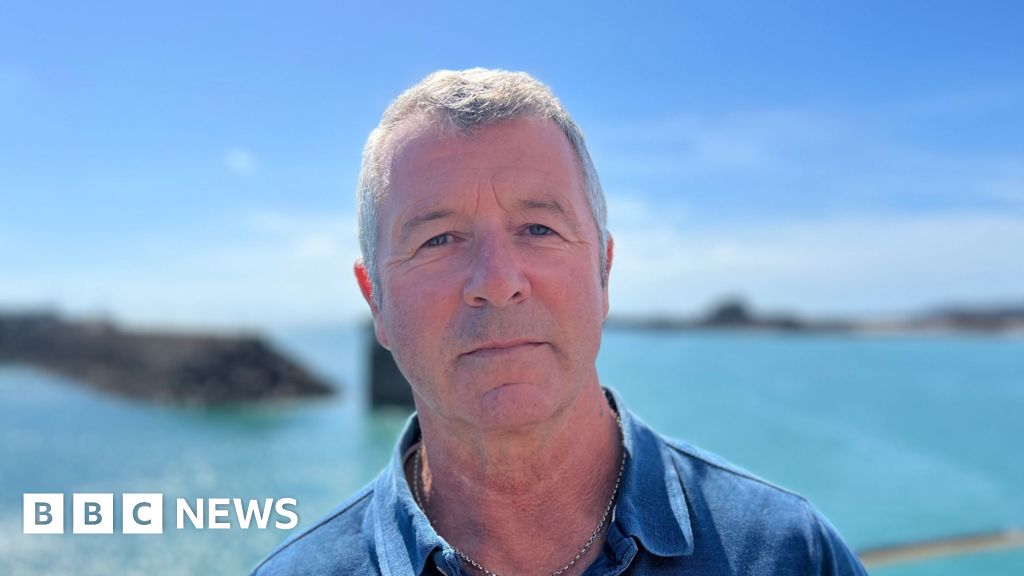
A Jersey fisherman has said the expansion of marine protected areas is threatening the industry's future, but the approval of five additional bluefin tuna licences had offered a much-needed boost.
New rules mean the area of sea protected from trawling and dredging has more than tripled . Conservationists said the changes would protect important areas of sea and improve the long-term health of fish stocks.
Dishers have welcomed the extra tuna licences , but said the fishery was only seasonal and would not make up for the fishing areas lost.
Environment Minister Mary Le Hegarat said Jersey's seas were "one of the island's greatest natural assets" and needed continuous protection.
"These measures are evidence-led, have been developed through extensive consultation and form an important part of our long-term vision for the management of Jersey's marine environment," she said.
The head of the Jersey Fishermen's Association, Stephen Viney, said the expansion of the marine protected areas had been a "slow car crash coming" for many in the industry and protections had gone too far.
"We're losing some of the most productive grounds that we fish. We are in a situation now where the fishing industry is struggling. It probably couldn't have come at a worse time, to be honest.
"We've known it's been coming, but it would have been nice to have something else to fill the gap.
"These areas have been fished for hundreds of years and they're still producing good catches and they have been traditionally very important to the industry."
Despite concerns over protected areas, Viney said the opportunity to fish for bluefin tuna has "brought a bit of hope".
Kirstie Thorpe-Jones, of the Bass & Lobster seafood restaurant said people had been "so excited" to see tuna on the menu.
"It's a great advantage for us. We offer a lot of local things, so anything that comes to us that's local we're always keen to put it on the menu", she said.
Kevin McIlwee, founder of Jersey Marine Conservation, said putting in the protections was evidence-based, and they were designed to prevent damage to a range of habitats, including maerl (calcified seaweed) beds.
McIlwee acknowledged fishers were being "squeezed into smaller areas", but it was down to the government to look at the "management of how many vessels there are, how often they're fishing and what particular species they're targeting".
Freddie Watson, from the Blue Marine Foundation conservation charity, said the protected areas had been chosen because they contained "very sensitive and important habitats" for maerl, seagrass, and kelp
He said: "They're very sensitive so we have to do everything we can to protect them for the long run.
Watson said maerl in particular was especially important: "it hosts probably the highest amount of biodiversity in our waters".
He said: "At one point, about 200 species have been recorded in a small area, so it's great for generating biodiversity and improving recruitment of certain species such as scallops and lobsters.
"It also plays that role in storing and locking down carbon."
"If we manage our marine environment better, then we'll have species coming back in healthier populations", he added.
Follow BBC Jersey on X and Facebook . Send your story ideas to channel.islands@bbc.co.uk .
Marine protected areas to expand by further 15%
New bluefin tuna licences granted for trials
Fishers warn new rules could risk safety
Topics in this story
Gathered from external sources. Rights to this text belong to whoever originally published it.