U.K. celebrity accused of sexual misconduct loses legal battle to keep identity secret despite risk of suicide. What happens next?
Lawyers for the male celebrity said he would be "highly likely" to try and kill himself if the allegations were made public.
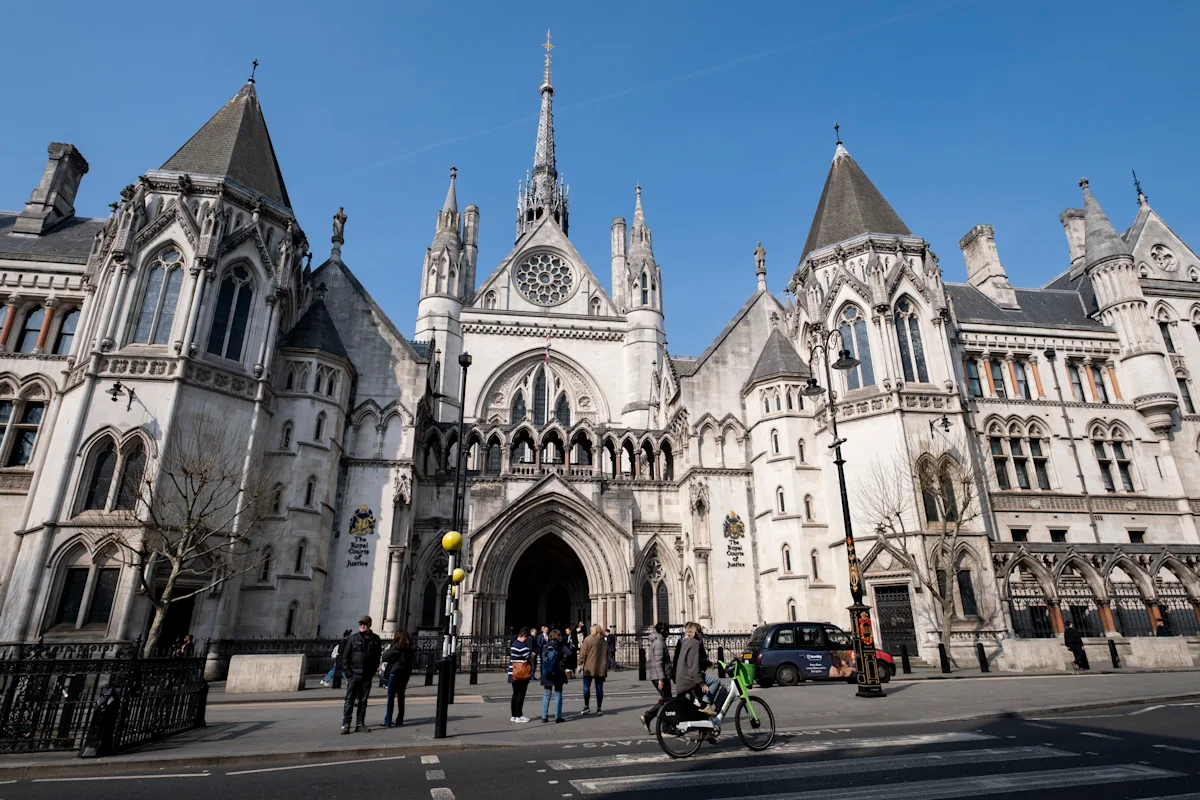
A male celebrity in the U.K. accused of sexual misconduct against young women has lost a legal battle to prevent the publication of "serious" allegations about him, including potential criminal behavior.
However, in a ruling on Tuesday at London's High Court, a judge ruled that a temporary order preventing his identification should be kept in place to allow for any potential appeal.
The celebrity, who denies the allegations, had taken legal action against two British media companies, Independent Television News (ITN) and the Guardian, to prevent them from publishing the claims and revealing his identity.
His lawyer, Sara Mansoori KC, argued that naming him would be "highly likely" to lead him to try to kill himself, adding that he had previously attempted suicide twice. She said he had "no intention of returning to public life."
Gavin Millar KC, representing the media outlets, argued that the case risks "dragging judges into assessing the causes of suicidal ideation, which are for professionals and not for a judge." He added, "The obligation falls on the hospital to keep him safe, and that's that."
According to Mr Justice Nicklin's judgment , the claims relate to "serious allegations" that took place over a period of years and included "potential criminal activity."
The allegations include "alleged abuse of power, sexual misconduct and inappropriate conduct towards younger or vulnerable persons" as well as the "alleged use of status, influence and access in dealings with women and girls."
Justice Nicklin dismissed his claim on Tuesday, adding, "The court did not determine whether the allegations, or any of them, were true, and the dismissal of the claim does not amount to approval of any publication the defendants may decide to make," the Press Gazette reported.
The judgment added: "It is not substantially disputed that the Claimant has a serious psychiatric vulnerability or that a decision permitting publication, and publication itself, would materially increase his risk of suicide."
But Justice Nicklin said the claimant did not "establish that suicide is inevitable".
Concluding, Justice Nicklin ruled, "The injunction sought would constitute an exceptionally serious interference" of freedom of expression, adding it would "prohibit the Defendants from publishing the results of their investigations into allegations of serious wrongdoing by a prominent individual."
The U.K. has no direct equivalent of the First Amendment. Instead, British courts must balance two competing rights under the European Convention on Human Rights: Article 8, which protects the right to respect for private and family life, and Article 10, which protects freedom of expression.
Neither right automatically takes precedence over the other, meaning judges can weigh a person's privacy interests against the public interest in reporting information about them.
The claimant also cited Article 2, which protects the right to life, and Article 3, which protects against someone being subjected to degrading treatment or punishment. The celebrity said publication of the claims would "expose him to a real and immediate risk of serious harm or death."
Paul Wragg, a Professor of Media Law at the University of Leeds, said, "The application here is unusual because it involves claims of not only privacy under Article 8 of the European Convention on Human Rights, but also Article 2, which is the right to life. And therefore, that makes the balancing process slightly more complicated."
He said, "The anonymity claim hinges on the seriousness of the evidence that this is going to have a profound impact upon him, and also speaks to the problem that once this information is out there, it's very difficult to put the genie back in the bottle."
In his judgment, Justice Nicklin said that the "existing anonymity and reporting restrictions order" must remain in force during the period allowed for seeking permission to appeal.
Prof. Wragg said it was "impossible to guess" how long an appeal would take, adding, "It just depends on the court's workload. But if it does go to trial, I don't see us getting a result before next year."
Dan Tench, a litigator at the law firm CMS, said he expected the appeal process to be "quick," adding, "15 or 20 years ago, when privacy law was being actively developed, there were often media cases with pre-publication injunctions which would proceed swiftly up the judicial ladder. In those days, you'd usually expect the Court of Appeal to get on within a week or two. I would expect that to be the case here, possibly even next week. But you cannot be certain."
If you or someone you know is struggling with their mental or emotional health, help is available. Call or text 988 to reach the 988 Lifeline, or go to 988lifeline.org .
Topics in this story
Gathered from external sources. Rights to this text belong to whoever originally published it.