In 2021–22, Lufthansa said it would operate roughly 18,000 unnecessary or near-empty flights to protect valuable airport slots
Rest of World News: In late 2021, Lufthansa planned to operate 18,000 flights to maintain airport slots amid low demand exacerbated by COVID-19. This decision raised environmental concerns while airlines argued for regulatory flexibility.
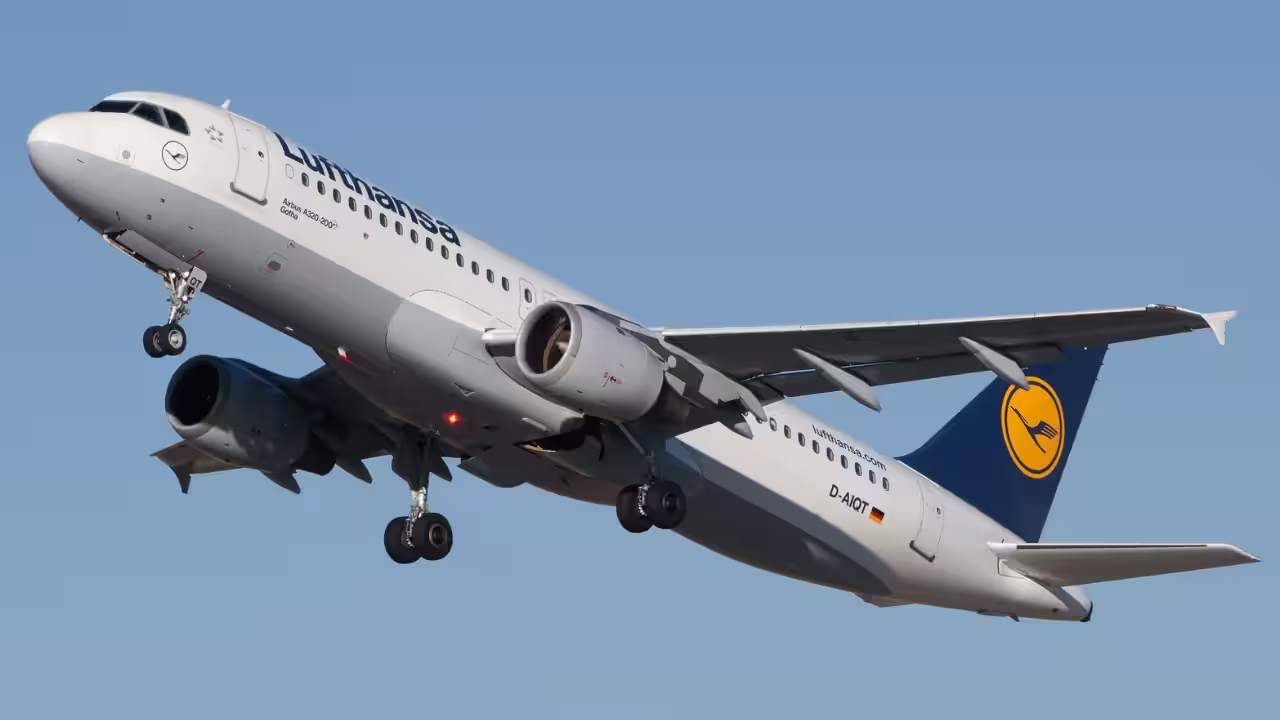
Lufthansa said in late 2021 that it expected to operate about 18,000 flights during the winter schedule that it considered unnecessary because of weak demand. It was mainly done to retain valuable airport slots, and came as the Omicron variant disrupted European travel and airlines were still operating under pandemic-era rules governing takeoff and landing rights.Lufthansa later clarified that the flights could carry some passengers and cargo, but that demand was too weak for the services to make economic sense.The issue arose from the way airport slots are allocated, since at congested airports, airlines receive specific rights to take off or land at particular times. Those slots can be extremely valuable because losing one can make it harder for a carrier to maintain its schedule at a major airport.The pandemic changed the normal slot ruleEuropean airlines generally had to use at least 80% of their allocated slots in a series to preserve their historic rights before the pandemic. The collapse in air travel during 2020 made that requirement difficult to meet, so regulators temporarily relaxed the rules. The European Commission extended its COVID-era relief into the winter 2021–22 season. Under the rules covering October 31, 2021, through March 27, 2022, airlines generally had to use 50% of a slot series rather than the normal 80% threshold.That reduction was intended to give airlines more flexibility while passenger demand remained uncertain, but it did not eliminate the pressure to operate flights altogether. Lufthansa had already canceled tens of thousands of services because demand remained low, and the airline said it would still need to operate the additional 18,000 flights to meet the applicable slot-use requirements. The problem was particularly acute because an airline could not simply assume that a weakly booked flight was expendable; cancelling it might reduce immediate costs, but repeated non-use of a slot could threaten the carrier's future rights at a congested airport.What Lufthansa meant by “unnecessary”Lufthansa CEO Carsten Spohr described the flights as unnecessary, while the company explained that they were still scheduled services. A Lufthansa spokesperson told reporters that the flights were open for passengers and cargo, which meant that they were not literally empty aircraft. Some reports used the term “ghost flight” for very lightly loaded services, but Lufthansa's own description was closer to flights that the airline would have canceled if doing so did not put its airport slots at risk.A January 2022 report from Wired described the company's estimate as roughly 18,000 “unnecessary” flights and explained that the carrier viewed the services as a consequence of the European slot system during the pandemic. The flights also became part of a larger European debate about whether airport slot rules were appropriate during an extended period of unusually low demand. Environmental groups argued that operating aircraft with few passengers created emissions without providing the normal level of transport service, and airlines countered that the regulations created a commercial incentive to keep flying while demand remained unpredictable.The EU was already adjusting the rulesThe European Commission’s July 2021 decision specifically cited continuing uncertainty caused by COVID-19 and said the 50% requirement would apply for the winter season. It also retained provisions that allowed justified non-use of slots when government measures severely restricted passengers' ability to travel on the affected routes. That meant that the 18,000-flight figure emerged from a combination of low demand and a regulatory system that still required airlines to demonstrate substantial use of their slots.The episode shed light on a tension that became more visible during the pandemic, which is, airport slots are valuable because they provide access to scarce infrastructure, but rules that are designed to prevent airlines from sitting on unused slots can have different consequences when passenger demand collapses. For Lufthansa, the immediate choice was between operating flights with weak bookings or risking the loss of airport rights that could be difficult to recover later. The company chose to keep the services running during the winter 2021–22 schedule, even as it argued for more flexibility in the slot rules.Catch the latest World News and Live updates. Download the TOI app.
Topics in this story
Gathered from external sources. Rights to this text belong to whoever originally published it.