Grow veggies in your front lawn
Can cities grow some of the food they consume? Turf grass is US’s third largest crop after corn and soy.
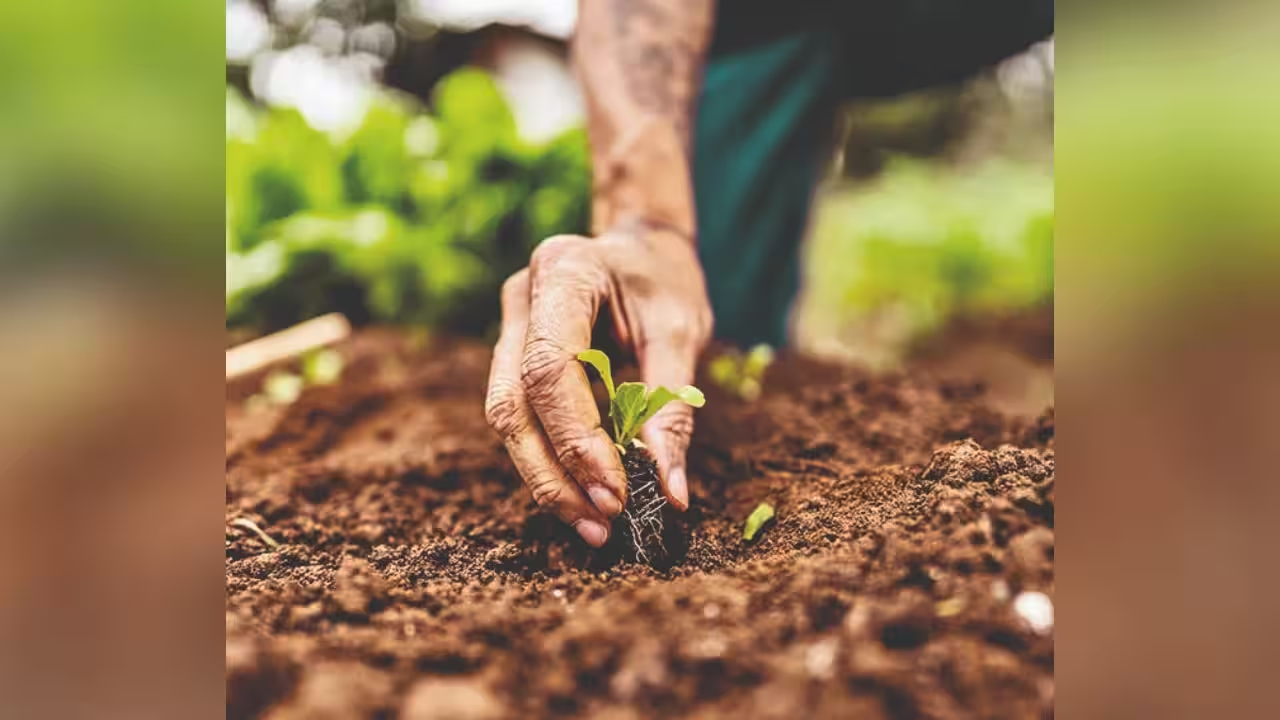
Can cities grow some of the food they consume?Turf grass is US’s third largest crop after corn and soy. In Tiny Gardens Everywhere: A History of Urban Resilience, Kate Brown asks, why would 135mn homeowners and renters in US, who keep lawns, make the effort, and foot the expense, to maintain a crop, they can neither eat, nor sell. The tale she goes on to tell is that of the tangled garden of inequality, and an equal resistance, born of hardship and ecological wisdom. Picks from the garden:l In England, the 1800s’ takeover of commons by elites, municipalities, developers resulted in territories divided, protected, guarded. Tradition of people farming common land was upended in the land grab. Brown says this was also a way of controlling labour. Privatising commons left workers with no choice but to sell their labour in factories. Widespread worker unrest led to attacks on property and authorities. To calm tensions, small parcels of land were allotted to grow vegetable gardens. The plots had degraded soil. But still, those who tried it saved around 20% of household expenses, encouraging others to join.Their success made these a symbol of private property, social hierarchy. Who’d get one depended on family history, criminal record, employment, church attendance etc. Men who joined labour unions didn’t get plots. Nor did women. “Compared to common rights, allotments were a symbol of dispossession.” But still, these helped striking worker families tide over hard times.l With rapid urbanisation, grass lawns replaced gardens. Turf grass – from France to England to US – became a marker of respectability, a middle-class symbol, of property value and order. Rules criminalised front yard plants taller than 6 to 8 inches. In Montgomery (US), Georgette Norman’s garden out front became an act of resistance against restrictions on growing food in front yards. Official crackdown destroyed her garden, made her out to be a criminal, but she neither gave up, nor gave in. A new mayor annulled all cases against her. Her garden survived.l Hunger during war – butter riots 1915, potato riots 1916, bread riots 1917 – radicalised German politics. Brown says, “Gnawing stomachs…elevated tiny allotment gardens to national importance.” Architects, urban planners, and politicians embraced tiny gardens as the solution to wartime scarcity. With a rally cry of ‘Every Working Man A Garden’, post-war Germany moved swiftly to legislate the Small Gardens Act (July 1919).l Industrial agriculture’s failings, climate challenges and soil degradation globally, have led to a realisation that development czars and aid agencies have exported failing farming systems to people who had healthy, diverse community of crops.In Amsterdam, resistance against building a warehouse took the form of a proposal to build a food park. A kitchen garden taken to scale. The plan included “community gardens, urban farms…making healthy food more affordable.” From the food park, densely urbanised Netherlands took another leap, creating food forests, a layered urban forest with the fruit and nut trees, herbs and veggies, climbers and edible roots/tubers. Can growing food in gardens restore biodiversity? They certainly have a better shot at it than sprawling lawns.You use AI every day. Now get your AI Quotient. Take the AIQ test.
Topics in this story
Gathered from external sources. Rights to this text belong to whoever originally published it.