Queen Elizabeth II's launched an environmental initiative in 2015; her contribution is protecting more than 12 million hectares of indigenous forests across commonwealth countries
Queen Elizabeth II's environmental contribution continues to benefit forests and wildlife across the Commonwealth, with a conservation initiative
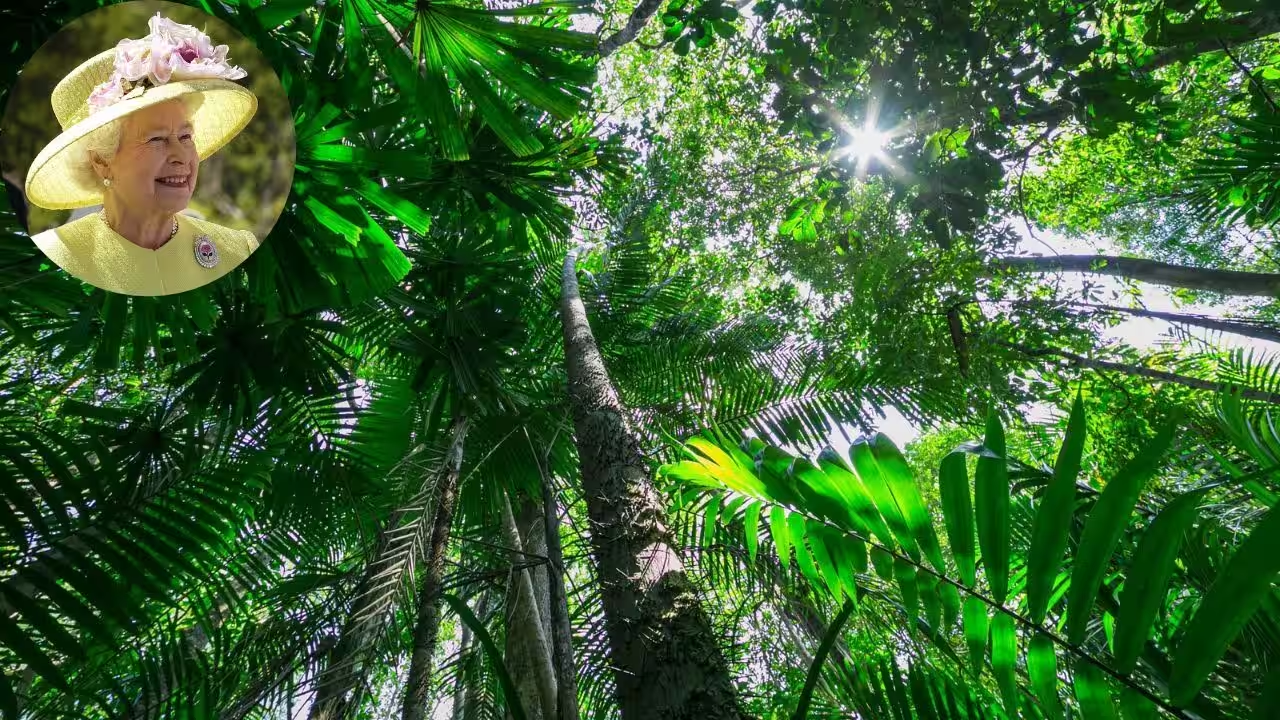
Queen Elizabeth II's environmental contribution continues to benefit forests and wildlife across the Commonwealth, with a conservation initiative established in her name helping protect more than 12 million hectares of indigenous forests and botanical gardens. The Queen's Commonwealth Canopy brought countries together to safeguard important natural landscapes and recognise the monarch's decades of service to the Commonwealth. The program, which started in 2015, eventually included all Commonwealth countries, creating a network of conservation projects to protect native forests, increase biodiversity and promote international collaboration on environmental protection.Queen Elizabeth II's environmental contribution protecting 12 million hectares of forestsThe Queen’s Commonwealth Canopy was launched in November 2015 at the Commonwealth Heads of Government Meeting in Malta as an initiative to protect the world’s forests. The Royal Commonwealth Society said the initiative was created to leave a lasting environmental legacy for Queen Elizabeth II by protecting indigenous forests across Commonwealth nations.The Royal Family’s official explanation stated that the initiative was intended to unite all 53 Commonwealth countries to protect indigenous forests. The program also called for experience exchange, knowledge sharing and strengthening of partnerships between governments and conservation organizations on environmental protection.The Royal Commonwealth Society, the Commonwealth Forestry Association and environmental charity Cool Earth were behind the project. Their collaboration brought together governments, conservation organizations and local communities around a common environmental objective.By 2022, the initiative had attracted participation across the Commonwealth, the Royal Commonwealth Society said. Its network comprised some 115 sites and projects protecting more than 12 million hectares of indigenous forests and botanical gardens.What made the Commonwealth Canopy different from traditional conservation programmesThe initiative's strength lay in bringing existing conservation efforts together rather than requiring every country to establish an entirely new forest reserve. Cool Earth explained that Commonwealth countries collectively contain approximately 1/5th of the world's forests, making cooperation particularly important for their protection.The charity also highlighted the importance of working alongside indigenous communities. Its conservation approach involves partnerships with indigenous villages to prevent rainforest destruction, and the canopy initiative provided opportunities to share such approaches across Commonwealth countries.According to Cool Earth, the programme encouraged participating countries to exchange experience and learn from successful approaches to forest management.How did the Great Bear Rainforest become a landmark projectOne of the most prominent conservation areas associated with the initiative is Canada's Great Bear Rainforest in British Columbia. Covering 6.4 million hectares along the province's central and northern coast, it represents one of the world's most significant temperate rainforest landscapes.The Government of British Columbia states that the forest was officially endorsed under the Queen's Commonwealth Canopy during the 2016 royal tour by the Duke and Duchess of Cambridge. The recognition highlighted a conservation effort involving First Nations, provincial authorities, environmental organisations and forest industry representatives.The Great Bear Rainforest Agreement, announced in February 2016, established a framework for protecting the region while maintaining economic opportunities and employment for local communities. According to the provincial government, the agreements and subsequent conservation measures aim to protect 85% of the rainforest and more than 70% of its old-growth forests over time.How did New Zealand contribute to Queen Elizabeth II's forest legacyNew Zealand's contribution demonstrated how private land could become part of a wider conservation network. The Queen Elizabeth II National Trust was responsible for delivering the country's participation, working with landowners to protect native forests and other important natural areas.According to the trust's official account, its 3-year involvement with the canopy resulted in 44 conservation covenants covering 2,831 hectares of native forest on private land. These areas supported national biodiversity priorities, with many providing habitats for endangered species.The programme built on the trust's existing work with private landowners. Established in 1977, the organisation encourages the protection of open spaces and natural heritage through legally recognised conservation agreements.New Zealand's government also supported the initiative financially. A November 2015 announcement by Prime Minister John Key committed an additional $1 million over 3 years to help the trust extend its conservation work.What remains of the Queen's Commonwealth Canopy todayThe Queen's Commonwealth Canopy concluded in 2022 after achieving participation across the Commonwealth. Its network of approximately 115 conservation sites continues to represent a lasting environmental achievement associated with Queen Elizabeth II.The initiative's completion was commemorated on 11 March 2025, when King Charles III planted an October Glory red maple in the grounds of Buckingham Palace. The Royal Commonwealth Society described the planting as a tribute to the canopy's achievements and the continuing commitment to environmental conservation.You use AI every day. Now get your AI Quotient. Take the AIQ test.
Topics in this story
Gathered from external sources. Rights to this text belong to whoever originally published it.