In 1995, Washington rebuilt a road near Ilwaco on shredded tyres; by January 1996 the surface reached 165°F from inside, and in 1997 federal guidelines capped some such fills at 3 m
Discover the 1995 Washington Road project that utilized shredded tyres, leading to a severe environmental incident and prompting new engineering guidelines for safer construction practices.
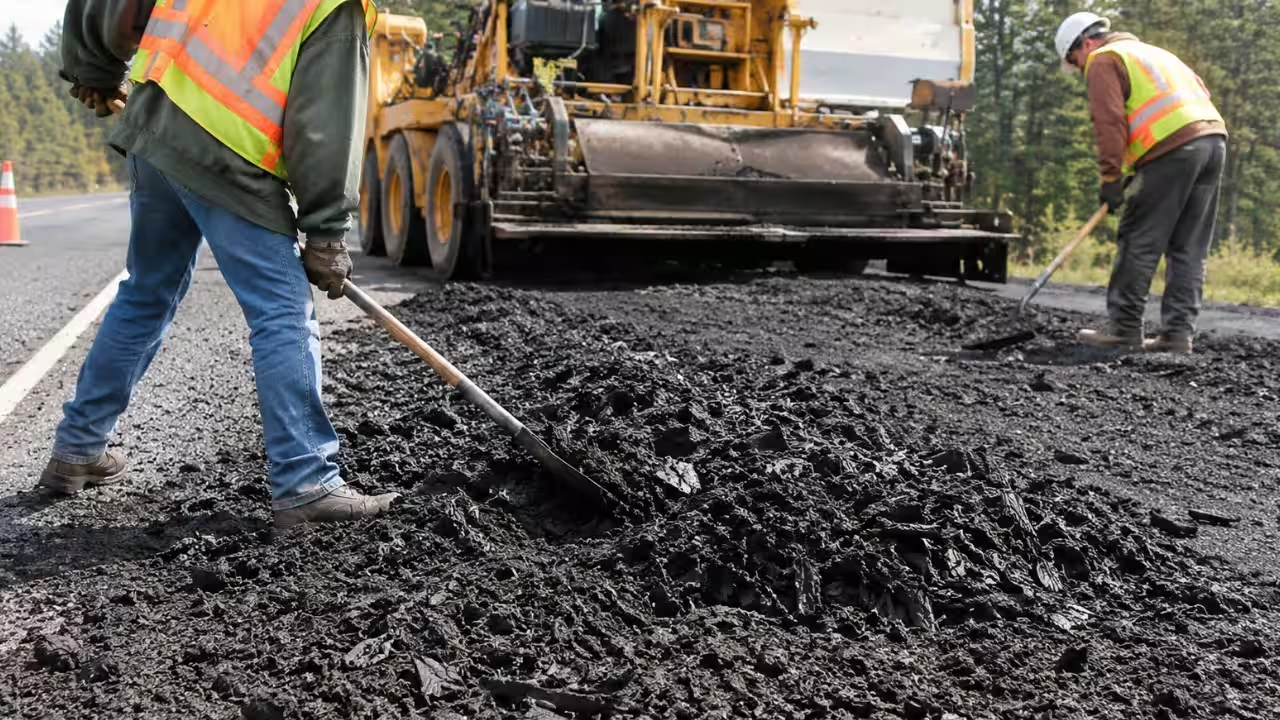
An experiment designated to reuse scrap tyres for construction material resulted in an accident in southwestern Washington during the mid 1990s. A group of engineers seeking a solution for the repair of a damaged road from the landslide used crushed tyres instead of soil and rocks to fill the void spaces. This method addressed two growing problems at the same time, namely disposing of scrap materials and helping restore roads. Unfortunately, shortly after the completion of the project, cracks appeared, steam was released, and heat was generated. What followed was an environmental incident involving burning tyres and the release of an oil-like substance in a coastal wetland.According to the National Oceanic and Atmospheric Administration, a landslide took place in December 1994 on the State Route 100 Loop that is located near Ilwako, Washington. Rebuilding was done in the summer of 1995, when tire chips ranging from 2 to 6 inches in size were used as fillers for the asphalt. The road opened on November 3, 1995, although cracks began appearing in late December. Then, on 5th January 1996, the surface of the road recorded a temperature of 165 degrees Fahrenheit.Why shredded tyres were usedThe initial decision was based on engineering advantages. A huge amount of scrap tyres was being stored in different parts of the United States because disposal was a problem. Therefore, the tyres could be shredded into smaller pieces to be used in civil engineering projects where lightweight filling material was required. In the case of Illwako, the tyres were being used to reconstruct a part of the road that was affected by unstable soil conditions. The lightweight of the tyres made them ideal for the reconstruction of the slope without putting additional pressure on the soil.Research published in the Journal of Geotechnical and Geoenvironmental Engineering reviewed the use of tyre chips for highway embankments. The study recognised the possibility of utility of tyre chips as a lightweight construction material if used within suitable engineering practice. During that period, this method of recycling tyres seemed promising, both for infrastructure purposes as well as from a waste management point of view. But this approach had one major drawback, which became evident throughout the project at Illwako.Heat, smoke and an unexpected environmental emergencyCracks first appeared in road surfaces in December 1995. In January 1996, heat was venting through the crack holes. By the third of January 1996, the temperature had risen up to 165° F. Furthermore, monitoring of air quality and underground water seepage started on 17 January 1996. The situation became more severe in March 1996, when an oil-like substance began seeping out of the ground with groundwater. According to NOAA, it was identified as pyrolytic oil resulting from thermal decomposition of rubber. Between 300 and 400 gallons of the substance had seeped from the hill before the leak was controlled on 14 March.The Baker Bay Coastal wetlands containing fish, birds, and other wildlife were endangered as a result of the incident. About gallons of oil had seeped out into the intertidal areas, therefore affecting 300 to 350 square feet of shoreline. Contaminant barriers, absorbent material, and copper dams were used to contain the contamination. Additionally, officials tried to minimise oxygen supply to the embankment. The actual components responsible for the heating could not be ascertained. It was thought that factors like oxidation, humidity, steel belt exposure, and biological activity could have contributed to the cause.New engineering guidelines followed the incidentThe case was not a singular event. In 1995, there were three projects involving shredded tyres in the US that had heating difficulties, which involved two projects in Washington State and one project in Colorado. This prompted engineers and federal transportation authorities to reconsider the use of recycled tyres in large construction projects. In July 1997, the Federal Highway Administration provided interim design guidelines for reducing internal heat generated by tyre shred fills. They involved more regulation of the thickness of tyres used in the process, minimising the exposure of steel and avoiding high levels of moisture and air penetration.The guidelines gave a maximum allowable thickness of 3 m for some uses of tyre-derived aggregate fills. It was clear that, for material reuse to be effective in infrastructure development, the characteristics of the material had to be taken into account. Proper design of the use of tyre shred could make them useful engineering materials. Thus, the Ilwaco experience was an eye-opener for the experimentalists.You use AI every day. Now get your AI Quotient. Take the AIQ test.
Topics in this story
Gathered from external sources. Rights to this text belong to whoever originally published it.