Nepal marks the 13th day of mourning after deadly flash floods
South Asia News: Nepal observed a national day of mourning on Monday, 13 days after the devastating Rasuwa flash floods, as the country paid tribute to more than 1,355.
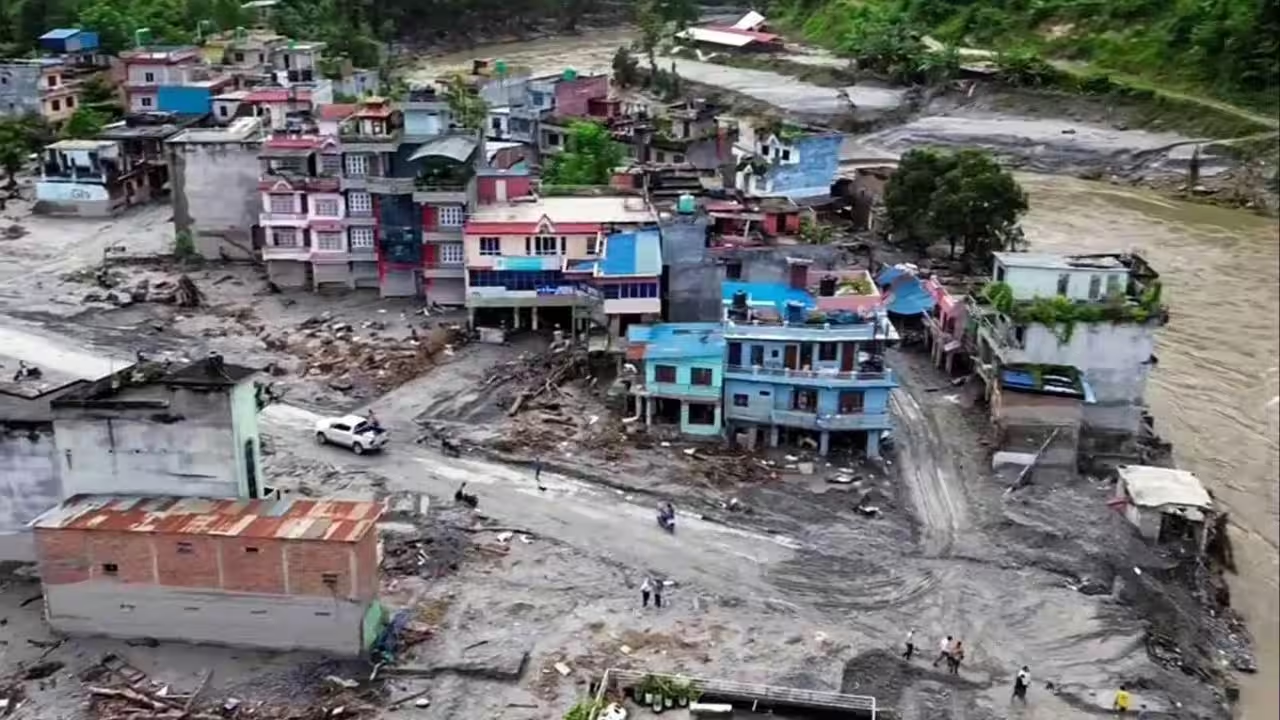
Nepal observed a national day of mourning on Monday, 13 days after the devastating Rasuwa flash floods, as the country paid tribute to more than 1,355 people killed in one of its deadliest natural disasters in recent history.Nearly 5,000 people remain missing, including 589 foreign nationals, following the flash floods that struck Rasuwa, a district bordering China, and neighbouring areas on August 26.The disaster was triggered by an ice-rock avalanche in the high Himalayas, unleashing powerful floodwaters that caused widespread loss of life and extensive damage to infrastructure across northern and central Nepal.According to the PTI report, Nepal has declared September 7 a national day of mourning to honour victims of the devastating floods that swept through Rasuwa, Nuwakot, Dhading and other areas along the Bhotekoshi and Trishuli river systems.The observance falls on the 13th day after the disaster, reflecting the traditional Hindu practice of marking the thirteenth day following a death. In many Hindu communities, the day is considered highly significant to honor the deceased members and the also mark the conclusion of the formal mourning period.The Ministry of Home Affairs said the national flag would be flown at half-mast at government offices across Nepal as well as at Nepali diplomatic missions abroad.The floods caused widespread loss of life and severe damage to homes and vital infrastructure, including roads, bridges, hydropower projects and government buildings.Search and rescue operations remain underway in the hardest-hit areas, including tunnels at hydropower projects, as security personnel and specialised international rescue teams continue efforts to locate missing people and recover bodies.At least 32,000 families have been displaced, while around 7,500 homes were completely destroyed. The disaster has also disrupted livelihoods and damaged essential infrastructure across central Nepal.The government has deployed the Nepali Army, Nepal Police, Armed Police Force and other agencies to carry out search, rescue, relief and recovery operations.Specialist teams from neighbouring countries, including India, have joined the rescue efforts, particularly operations to save people believed to be trapped inside hydropower tunnels.Meanwhile, the Nepal government has declared Tuesday, September 8, a public holiday to commemorate Gen Z Martyrs’ Day, marking a year since the youth-led protests that reshaped the country’s political landscape.The protests erupted in Kathmandu on the same day last year after the government banned several social media platforms. Demonstrators also took to the streets over alleged corruption and what they described as the lavish lifestyles of the children of powerful politicians and government officials.The protests intensified after security forces opened fire near the Parliament building, killing 72 people, including children. The escalating unrest eventually prompted then-Prime Minister K P Sharma Oli to resign.The political fallout resulted in the dissolution of Parliament and the collapse of the coalition government led by the CPN-UML and Nepali Congress. A caretaker administration was subsequently installed, paving the way for fresh parliamentary elections on March 5 this year.The election brought the Gen Z-backed Rastriya Swatantra Party (RSP), led by Rabi Lamichhane, to power with an almost two-thirds majority. Former Kathmandu mayor Balendra Shah subsequently became prime minister.Catch the latest World News and Live updates. Download the TOI app.
Topics in this story
Gathered from external sources. Rights to this text belong to whoever originally published it.