In 2025, Pope Leo XIV’s childhood home faced auction; his Illinois hometown bought it for $375,000 and plans to preserve it as a historic site
In a significant turn of events, Dolton, Illinois has purchased Pope Leo XIV’s childhood home for $375,000 to preserve it as a historic site, attracting national interest following the pope's election. The village aims to develop the site for public use and tourism, amid financial challenges.
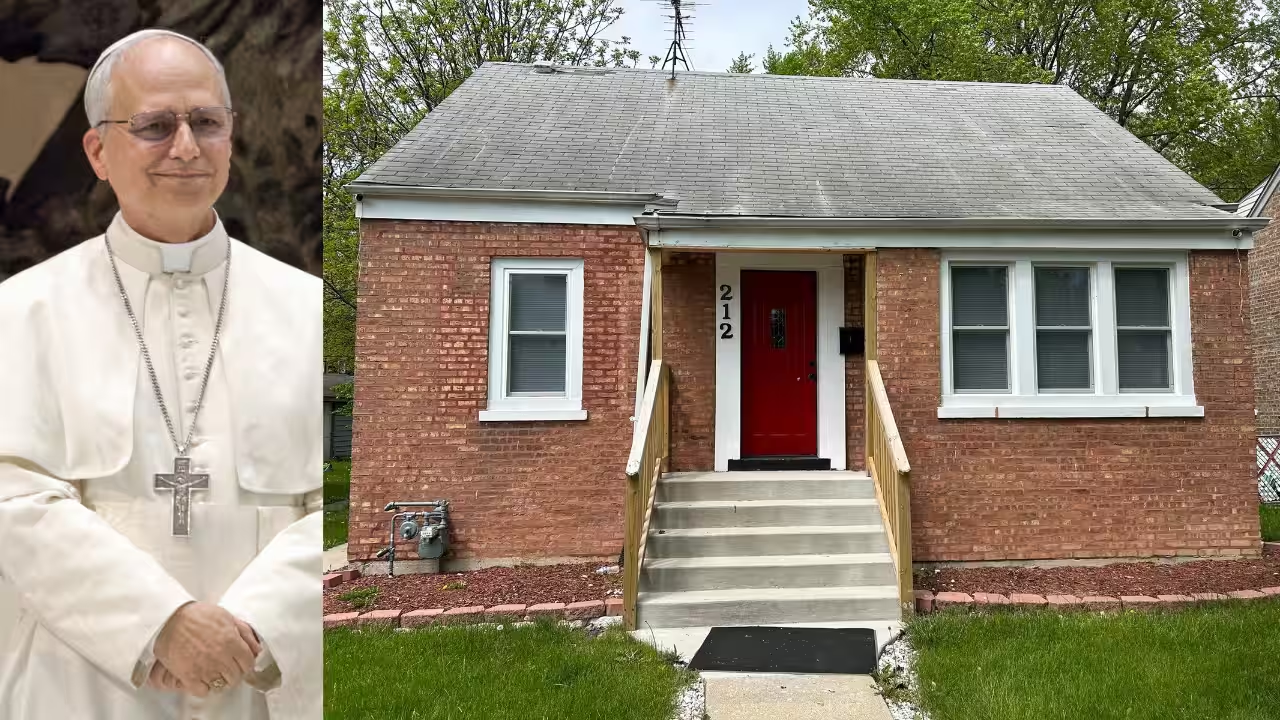
Pope Leo XIV’s childhood home was heading toward auction in 2025 when the village stepped in and purchased the property for $375,000. The small brick house in Dolton, Illinois, had attracted visitors after Robert Francis Prevost became the first U.S.-born pope in May. By December, Dolton had designated the home an official historic landmark, with plans to pursue funding for its preservation and possible public use.The village completed the purchase on July 8, 2025, after negotiations with the previous owner, with the two-story residence at 212 East 141st Place being placed on the market before Prevost’s election, but the sale plans changed after its connection to the new pope became widely known.The house became a destination after the papal electionPrevost was born in Chicago in 1955 and grew up in Dolton, a suburb about 20 miles south of the city. His parents bought the house in 1949, and the family lived there until 1969, when he left to attend seminary school in Michigan. Before his election as pope, Prevost had spent decades working as a priest and missionary, including many years in Peru. His election on May 8, 2025, brought national and international attention to the neighbourhood where he grew up, and visitors began travelling to the property, with some treating it as a place of pilgrimage. The house itself was a modest family residence rather than a church or a building designed for public visits.The Associated Press reported in July that the sudden interest had created an opportunity for Dolton to attract visitors, but the purchase also raised questions about public spending. The village had been dealing with serious financial difficulties, including a reported $3.65 million in debt and unpaid bills. Some residents questioned whether local taxpayers could afford both the purchase and the cost of maintaining the property.Why Dolton chose to buy the propertyVillage leaders considered the home to be a potential asset for tourism and community development, and before reaching a purchase agreement, officials had discussed using eminent domain, a legal process that allows a government to acquire private property for public use. The village ultimately bought the house through a negotiated sale rather than taking it through that process.The purchase price included applicable real estate and auction fees, according to reporting by OSV News. The property had previously been listed for sale and was later put up for auction through Paramount Realty USA, and its former owner had renovated the house before the pope’s election, with a construction company also providing a new roof at no charge. Officials discussed working with the Archdiocese of Chicago and seeking public or private funding to support the property’s future use. Ideas included opening it to visitors and developing a site connected to the pope’s early life.The home received historic landmark status in DecemberThe village took a formal step toward preservation on December 1, 2025, when its Board of Trustees voted unanimously to designate the house an official historic landmark. CBS Chicago reported that the designation would allow Dolton to seek state funding for preservation and development, and officials also discussed the possibility of creating a museum in partnership with the Archdiocese of Chicago.The designation did not mean that the home had already become a public museum or that a full restoration had been completed, since the village still needed to organise funding, management and plans for the site. Mayor Jason House said officials were targeting spring 2027 for completion of the broader project, although that remained a target rather than a confirmed opening date. The next stage involves deciding how the property will be maintained and what visitors will be able to see there. The house is now municipally owned and formally recognised as a historic site, but its long-term use will depend on the funding and plans the village develops.You use AI every day. Now get your AI Quotient. Take the AIQ test.
Topics in this story
Gathered from external sources. Rights to this text belong to whoever originally published it.