In 2019, South Carolina sank a 95-foot retired tugboat 30 miles off Georgetown; it joined a deepwater reef known for snapper, grouper and other fish
In June 2019, South Carolina sunk a retired 95-foot tugboat named Susan Richards to create an artificial reef 30 miles offshore, boosting marine life habitats and recreational fishing opportunities.
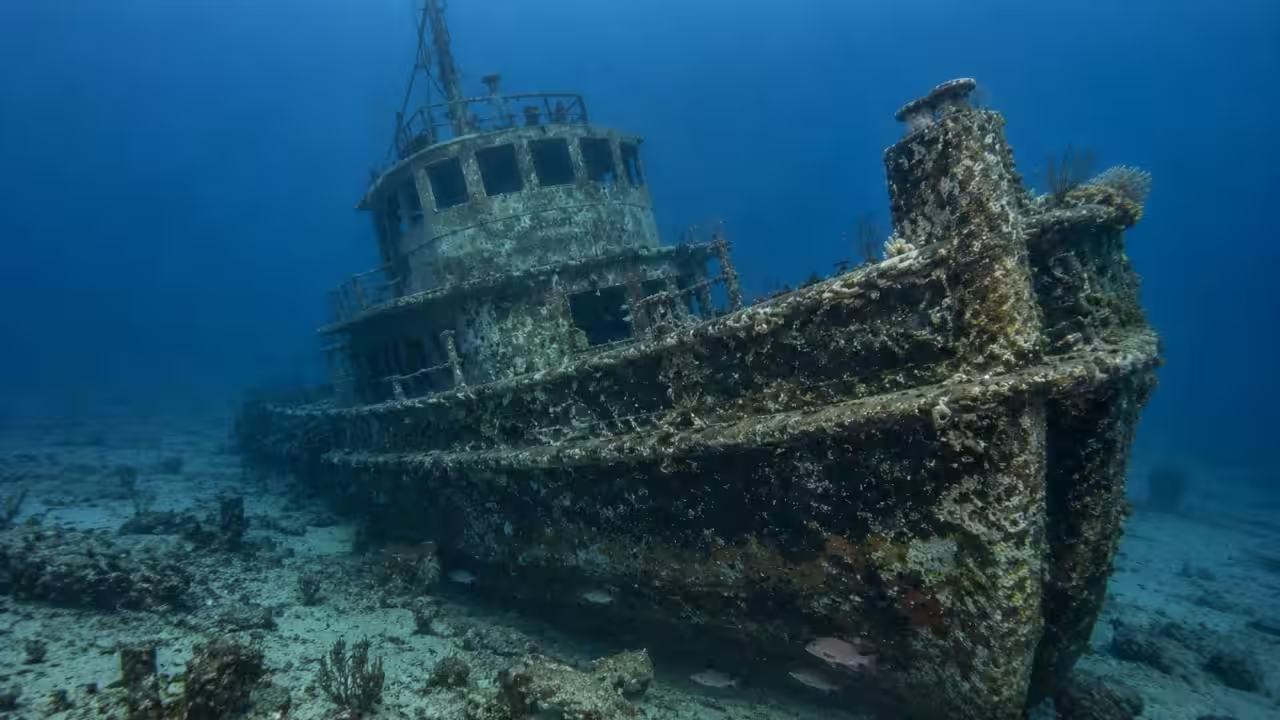
On June 28, 2019, a retired 95-foot tugboat named Susan Richards was intentionally sunk in the Atlantic Ocean off South Carolina. The Department of Natural Resources (SCDNR) deployed the vessel at Vermilion Reef, an artificial reef site approximately 30 miles offshore from Georgetown. On July 3, SCDNR announced the deployment while describing the tugboat as another addition to the state’s artificial reef programme.The transition from a working tugboat to an artificial reefThe Susan Richards had served a different purpose in the same coastal waters prior to its retirement. According to the department’s FY2019 annual report, the tugboat had towed numerous barge-loads of material to artificial reef sites along the South Carolina coast. This deployment transformed a vessel that was previously used in the construction of underwater habitats into an artificial reef structure itself.Due to unfavourable weather conditions, the sinking had been postponed for several weeks. Ultimately, on June 28, conditions were favourable enough for the operation to proceed. After deployment, the tugboat came to lie at approximately 120 feet underwater at artificial reef site PA-17, popularly known as Vermilion Reef. Though there are no physical surface buoys marking the location, the exact location of the site is published by the SCDNR for boaters, anglers and divers.Why South Carolina builds artificial reefsSand covers much of South Carolina’s continental shelf, thus leaving relatively little naturally occurring hard-bottom habitats where reef communities might develop. The department reported that only about 5 to 10% of the seafloor has the geological characteristics needed to support these communities. Natural hard-bottom areas provide surfaces where organisms like sponges, corals and other invertebrates can attach and grow. Suitable hard surfaces in otherwise sandy areas are added by artificial reefs, thus expanding the habitat available to marine life.These artificial structures, however, do not become mature reef communities immediately after submersion. Instead, over time their surfaces get colonised by algae, barnacles, sponges, corals, hydroids, bryozoans and marine worms. These organisms form the foundation of the developing reef community and contribute to its food web. Apart from this, crabs, shrimps, sea urchins and small fish may also gather around the structures for shelter and food. On the other hand, larger fish use these areas as breeding and feeding grounds.Examples of populations associated with South Carolina’s artificial reefs include red snapper, black sea bass, gag grouper and king mackerel. The 2019 SCDNR announcement shows that a range of fish species like grouper, jacks, triggerfish and Spanish hogfish are supported by the Vermilion Reef’s deeper offshore setting.Preparing retired vessels for deploymentArtificial reef material usually undergoes a cleaning process to ensure it is suitable for the environment before deployment. The state’s programme utilises different durable materials like steel and concrete structures, ships, tugboats, barges, military vehicles and subway cars.On the other hand, the Susan Richards project was funded through a partnership between SCDNR and the Coastal Conservation Association of South Carolina (CCA-SC). Additional support was provided from the revenue generated through saltwater fishing licence purchases. This particular placement was the programme’s ninth major artificial reef project completed in partnership with CCA-SC, thus reflecting the involvement of state conservation authorities and fishing organisations in expanding offshore habitat and recreational fishing opportunities.You use AI every day. Now get your AI Quotient. Take the AIQ test.
Topics in this story
Gathered from external sources. Rights to this text belong to whoever originally published it.