In 1978, barefoot forest ecologist Stephen King and fellow protesters camped in Pureora’s ancient tōtara canopy; logging was suspended in the occupied Pikiariki block
In January 1978, Stephen King and conservationists began a pioneering tree-sitting protest in Pureora Forest, halting logging efforts and preserving New Zealand's native forest ecosystems for future generations.
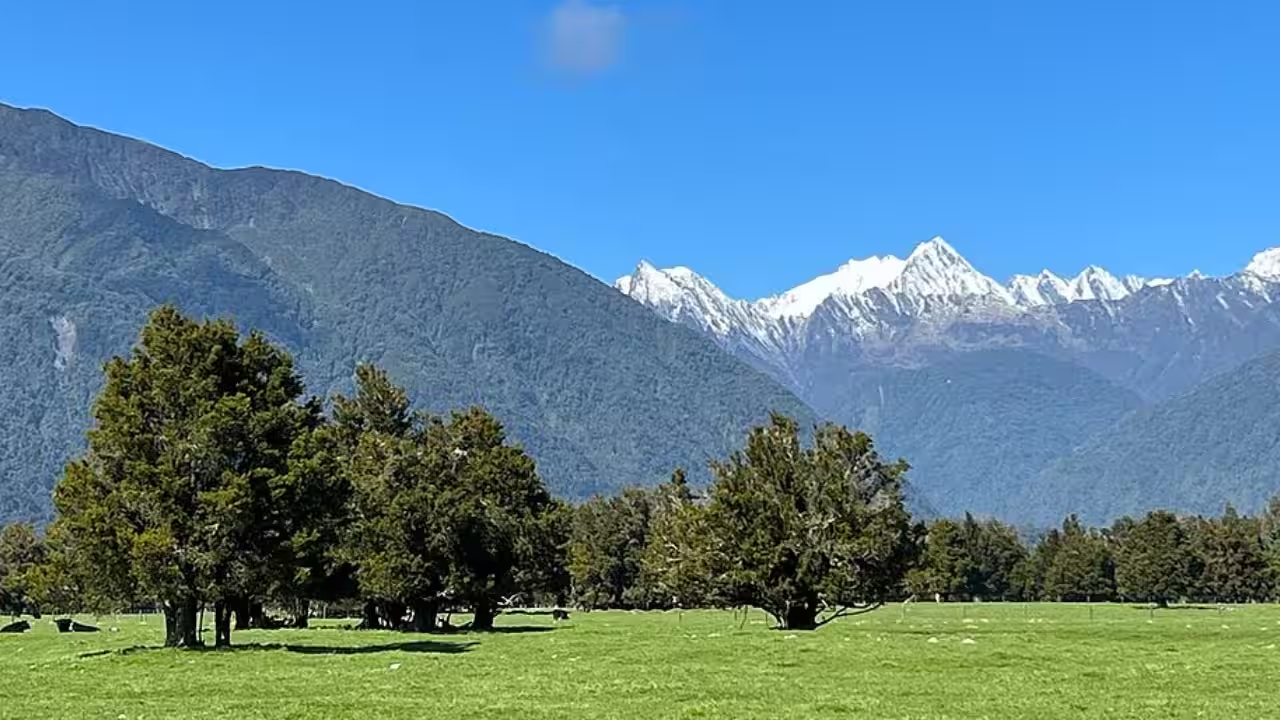
Pureora is a forest in New Zealand’s central North Island, home to some of the country’s oldest tōtara and other podocarp trees, which rise above a dense understory. These forests are home to native birds that live beneath the canopy, including species that have disappeared from other areas. For most of the 20th century, the forests in the area were seen simply as timber waiting to be milled and this was common throughout the region. In the end, a small group of conservationists came to believe that protests and submissions were not stopping the logging quickly enough. Instead, they chose a tactic that was unusual in forest protection at the time: climbing into the tree canopy and staying there. Instead of placards, the protesters used climbing platforms and camping equipment, which made it difficult for loggers to cut down trees with people in them.Pureora before January 1978Dave Pye worked as a timber cruiser in Pureora Forest between 1962 and 1978. Conscious Explorer notes that without modern machinery, his work relied on an axe and a long saw. At the time, the only environmental group focused on forests was the Royal Forest and Bird Protection Society, until the Beech Forest Action Committee emerged and later became the Native Forest Action Council, according to Te Ara, the government-run encyclopedia of New Zealand. The council pushed for legal recognition of native forest and campaigned to stop its logging.According to The New Zealand Herald, Stephen King was known as a barefoot forest ecologist and was involved with the council’s Auckland branch at the time of the protest. Conscious Explorer also notes that King gathered a petition against the logging of indigenous forest. Afterwards, King and his supporters submitted a lengthy report to Parliament on the declining numbers of rare birds such as the kōkako. King said that when the government did not meet their demands, they felt they had no other option but to climb the trees.The tree sit-in of 18 January 1978 and the logging halt that became permanent in 1982According to Te Ara, the Pureora tree-sitting protest began on 18 January 1978, when activists climbed into the trees and occupied them to prevent logging in the forest. According to Flight for the Forest, a book by Potton and Burton on environmental organisations, the Pureora protest was an early and significant tree-sitting action in New Zealand. The same source describes Prime Minister Robert Muldoon’s reluctance to stop the logging, despite pressure from the young protesters. The tree-sitters physically blocked logging in the occupied Pikiariki block and according to Te Ara, the government formally suspended it there later in 1978, with the halt becoming permanent in 1982.Pureora’s podocarp forests are among the oldest in the country. Trees such as tōtara, rimu and mataī can live for hundreds of years and they shelter species like the kōkako, a rare native bird known for its haunting song. For conservationists, that was exactly what was at stake: these were not just stands of timber but living habitats that, once felled, could not be replaced within a human lifetime. This is why the protesters were willing to give up the comfort of the ground and spend days on small platforms high above the forest floor. Their campaign drew national attention to a question that had been largely ignored until then: whether New Zealand’s remaining native forests should be milled at all.You use AI every day. Now get your AI Quotient. Take the AIQ test.
Topics in this story
Gathered from external sources. Rights to this text belong to whoever originally published it.