Iraq completes investigation into thousands of ISIS detainees formerly held in Syria
The US-backed Syrian Democratic Forces (SDF) had been holding them until the SDF and Syrian government agreed to integrate, at which time US Central Command...
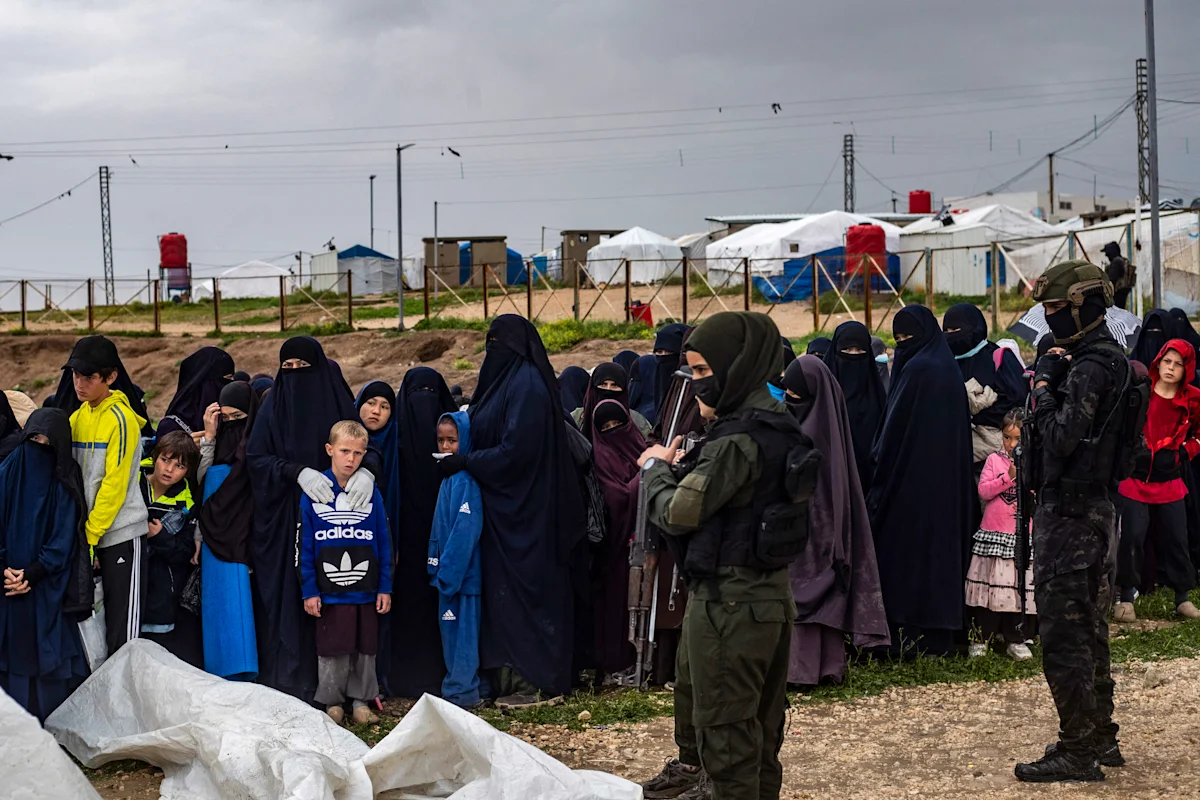
Iraq has completed an investigation into around 5,700 ISIS detainees transferred from Syria, with some suspects identified as top-ranking figures involved in international crimes.
Some of the ISIS members will now return to their home countries, including Syria, Turkey, and others, after being held in camps and facilities in Syria for seven years.
Over 20,000 Iraqi nationals have been rehabilitated after returning from Syria's al-Hol camp, with many countries refusing to take back their ISIS members.
The US-backed Syrian Democratic Forces (SDF) had been holding them until the SDF and Syrian government agreed to integrate, at which time US Central Command decided to facilitate a mass transfer.
Iraq says it has completed an investigation into around 5,700 ISIS detainees who were transferred from Syria earlier this year.
The ISIS detainees are mostly men who had been held in around two dozen detention facilities in eastern Syria since 2019. The US-backed Syrian Democratic Forces (SDF) had been holding them until the SDF and Syrian government agreed to integrate, at which time US Central Command decided to facilitate a mass transfer to Iraq.
Now Iraq says it has investigated most of these people. It is not clear precisely how many will be put on trial in Iraq or remain in detention.
ISIS was mostly defeated in Syria in 2019, at which point around 50-80,000 ISIS members ended up detained in Syria by the SDF. Most of the detainees were women and children. However, several thousand of them were men, considered to be more dangerous than the women and children.
A report at Al-Arabiya that is based on an AFP report notes that "the cases will now proceed to trial, while more than 450 Syrians will be released and handed over to their country. Iraq's Supreme Judicial Council said it concluded 'the interrogation phase'of the 5,704 ISIS suspects who were brought from northeast Syria, and referred them to trial."
Some detainees to return to home countries
This matters because some of these ISIS members will now return to their home countries such as Syria, Turkey and other places. The ISIS members held in camps and facilities in Syria had come from 60 countries. The international community, including around 80 countries, backed the anti-ISIS coalition. However, they didn't create any kind of international court to charge the ISIS members. Instead, the members were left in limbo for seven years.
The Al-Arabia report notes that "the investigations led to identifying several ISIS commanders, including top-ranking figures, who were involved in 'crimes at the international level,' according to the council." It added that at least six suspects are documented to have been involved in the genocide against the Yazidi minority in Iraq.
In 2014, ISIS overran the Yazidi areas of Iraq's Sinjar and began to systematically murder the Yazidis. It also kidnapped thousands of women and children and sold them into slavery. This helped galvanize the international community to fight ISIS.
In general, the Yazidis have not received justice, and most ISIS members appear to have escaped having to actually stand trial. Some died in the war. Many thousands of Yazidis remain missing. Over the last decade, some Yazidi women and children have continued to be found in Syria and other places.
The New Region reported that "over 20,000 Iraqis rehabilitated from al-Hol camp." The report comes from Iraq's government.
"Iraq's migration ministry on Saturday said over 20,000 Iraqi nationals have been rehabilitated after returning from Syria's notorious al-Hol camp," the report added. The report noted that "the Iraqi detainees were transferred to al-Jadaa camp, a major government-run rehabilitation and integration center south of Mosul."
Iraq has worked hard to repatriate its people over the last year. However, many countries have refused to take back their ISIS members. Australia, for instance, was reluctant to take back women and children who had been in Al-Hol in Syria.
Topics in this story
Gathered from external sources. Rights to this text belong to whoever originally published it.