US midterm setback puts Vance at forefront of renewed Iran diplomacy
US vice president JD Vance has taken the lead in backchannel talks with Iran over the past two weeks, seeking to revive a ceasefire and restart stalled
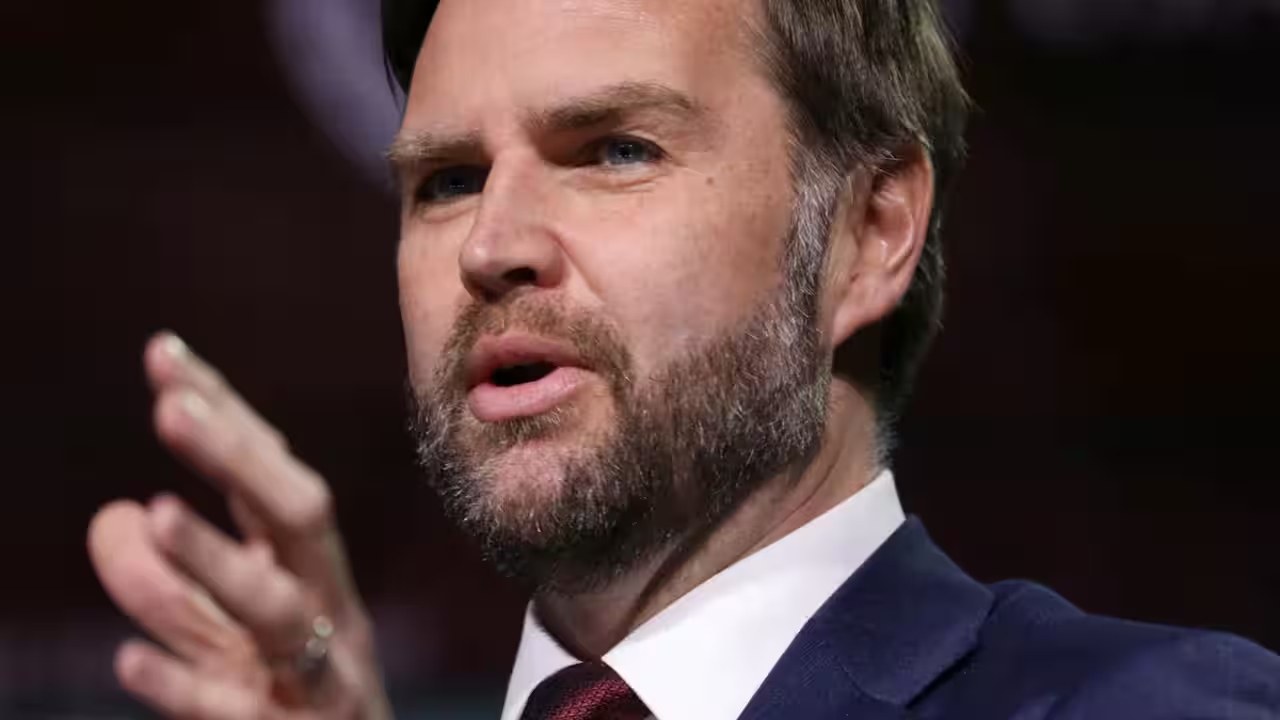
US vice president JD Vance has taken the lead in backchannel talks with Iran over the past two weeks, seeking to revive a ceasefire and restart stalled nuclear negotiations.According to Axios, Vance has held near-daily discussions with Qatari Prime Minister Sheikh Mohammed bin Abdulrahman Al-Thani, Pakistan's Chief of Army Staff Field Marshal Asim Munir and other regional mediators to push negotiations forward.Vance's involvement comes as the Trump administration explores a diplomatic way out of the conflict, which the vice-president had opposed before it began. He has also linked the war to the Republican Party's losses in this week's US midterm elections.US President Donald Trump is allowing diplomatic efforts to continue to see whether a deal with Tehran is possible, although the US military remains prepared to resume strikes at relatively short notice if negotiations fail."We're talking to them," Trump told reporters on Friday when asked about his message to Iran.Qatari Prime Minister Sheikh Mohammed said efforts to prevent further escalation had continued through coordination with officials in Washington and Tehran."For the past couple of weeks we have worked with colleagues in the US administration who have a genuine intention to find a way to contain the situation and to de-escalate it. Thanks to them and thanks to wise voices in Tehran we prevent it from getting out of control," he said.He added that talks with the Trump administration had continued after the midterm elections, although they had become less active as Washington dealt with other priorities. The US administration's intention to find a diplomatic solution, he said, remained unchanged and a deal was possible.Vance had opposed war, pushed for diplomacyVance was among the most sceptical voices in Trump's inner circle before the conflict began at the end of February, advocating a diplomatic solution instead of military action.He later led the US negotiating team at an April summit on Iran in Islamabad and was personally involved in discussions that resulted in a US-Iran memorandum of understanding (MOU) in June.The vice-president subsequently headed the American delegation for direct talks with Iran in Switzerland. The discussions ended with Tehran agreeing to invite UN inspectors to visit its nuclear facilities.However, the understanding collapsed shortly afterwards when Iran's Islamic Revolutionary Guard Corps resumed attacks on ships.Two weeks ago, Vance wrote to Mohsen Rezaei, secretary of Iran's Supreme National Security Council, proposing a return to direct negotiations.You use AI every day. Now get your AI Quotient. Take the AIQ test.
Topics in this story
Gathered from external sources. Rights to this text belong to whoever originally published it.