Who are India's opponents in Asian Games 2026 men's quarter-final?
Here is how Group A qualification works and India’s potential knockout path.
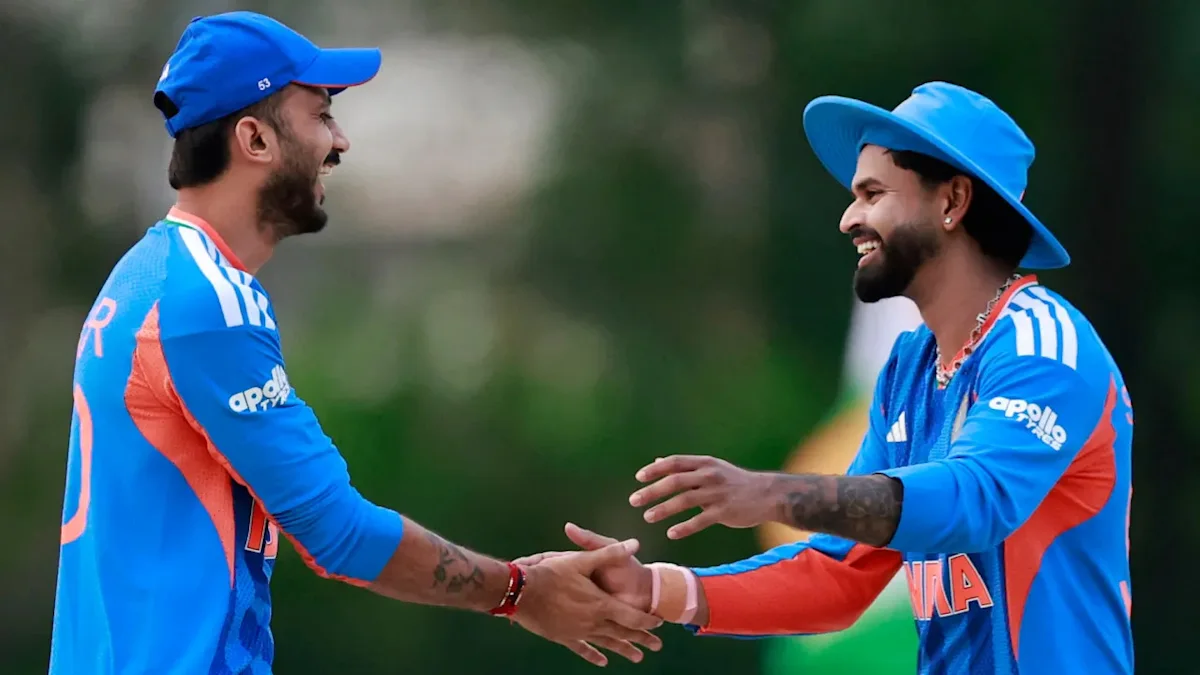
India edged Japan by two runs in a rain-shortened, five-over T20I, marking the first-ever men's international clash between the nations.
A wide-ball controversy in the final over helped India survive a nervy run chase at Sano.
Japan could meet India again in the Asian Games quarter-final on September 28 if they finish second in their group.
How Asian Games 2026 quarter-final bracket shapes up?
Just days after a squeaker of a finish at the Sano International Cricket Ground, India and Japan could have been on a collision course for round two, in the Asian Games knockout stages.
If things had fallen into place in the group stage at Aichi-Nagoya, the two sides could have met again on September 28, this time in a quarter-final.
Japan were drawn into Group A alongside Afghanistan and Nepal, a group of just three teams where every side plays two matches.
Under the tournament's bracket structure, the runner-up from Group A, listed as "A2" on the official schedule, is slated to face India in the second quarter-final on September 28.
After Nepal beat Afghanistan, the group was wide open. However, if Japan had got the better of Nepal on Saturday, things could potentially change. But rain played spoiler, and the game was washed out. In the end, the hosts were knocked out, with Nepal and Afghanistan going through as the top two teams.
India survive a scare in historic first meeting
India scraped past Japan by just two runs in a rain-curtailed, five-over T20 International on Tuesday. It was a historic occasion, being the first-ever men's international cricket match played between the two countries. The fixture also formed part of the broader "Sport 75" initiative aimed at strengthening sporting and cultural ties between the nations.
India batted first and could only muster 32 for four, with Japan's spinners extracting turn and bounce that troubled the visitors throughout. Captain Shreyas Iyer top-scored with 16 off 12 deliveries, hitting one boundary, while Sanju Samson chipped in nine off seven balls. Charlie Hara-Hinze was the pick of Japan's bowlers, finishing with 2 for 17, removing both Abhishek Sharma for a duck and Iyer soon after.
Chasing 33 to win, Japan found India's bowlers just as difficult to get away. Washington Sundar was central to the defence, picking up two wickets for 13 runs and keeping the required rate under control throughout. It all came down to the final over, with Japan needing eight off six balls.
Alexander Shirai-Patmore went for a reverse hit off Axar Patel on the third delivery and missed completely, and umpire Chris Thurgate called it a wide. The very next ball, the same shot attempted again, the same signal given. Suddenly Japan needed just five off four, and India's players weren't shy about showing their frustration.
That's when Chris Brown, the square-leg umpire and an ICC Elite Panel member, stepped in for a word with Thurgate. Following their exchange, the call was reversed, restoring Japan's equation to six off four. It was the correct call, since ICC playing conditions treat both sides of the stumps as off side once a batter attempts a reverse or switch hit. Axar held his composure through the rest of the over, and Japan finished on 30 for three, two short of victory.
Group A consists of Afghanistan, Japan and Nepal, while Group B features Hong Kong China, Malaysia and Oman.
To keep up to date with all the latest cricket news and share your opinion on the biggest topics visit our Facebook , Instagram and X (Twitter) pages.
Topics in this story
Gathered from external sources. Rights to this text belong to whoever originally published it.