Trump: China, Russia ‘have too much to lose’ to help Iran
President Trump late Monday accused China and Russia of having “too much to lose” to enable Iran in the ongoing conflict. “I see so many comments from the Radical Left Morons and Lunatics that China and Russia are helping the ‘wonderful’ Islamic Republic of Iran,” Trump wrote on Truth Social. “If they are, it’s at…
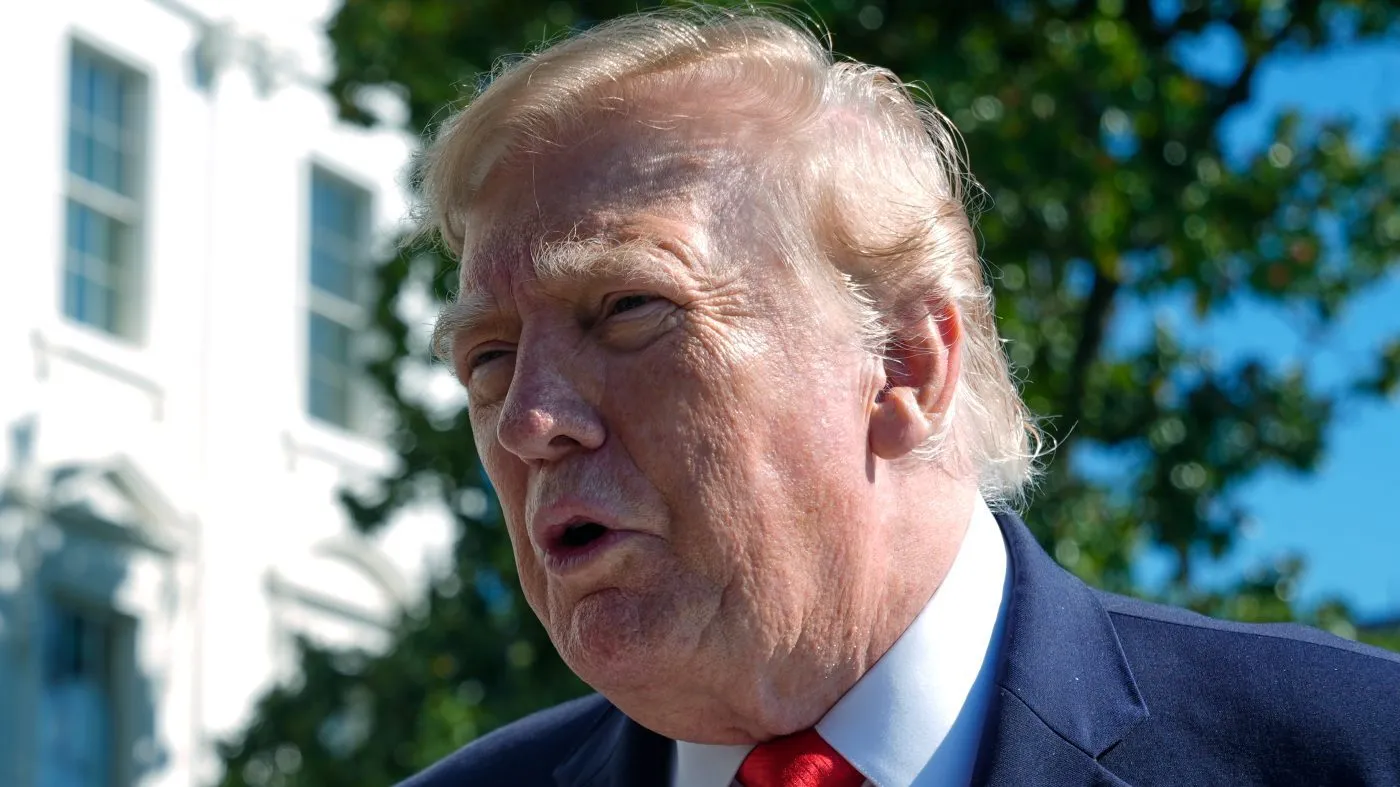
President Trump late Monday accused China and Russia of having “too much to lose” to enable Iran in the ongoing conflict .
“I see so many comments from the Radical Left Morons and Lunatics that China and Russia are helping the ‘wonderful’ Islamic Republic of Iran,” Trump wrote on Truth Social . “If they are, it’s at a very low level, but I don’t believe they are at all.”
He added, “They have too much to lose, and we would know about it, and know about it very fast!”
The president made a similar argument in July, saying at the time that he took the testimony from the leaders of China and Russia that they are not providing Iran with weapons at face value, adding that it “would be very bad for them” if they had.
This came after Defense Secretary Pete Hegseth told lawmakers on Capitol Hill that China and Russia were “enabling them.”
Reports over the course of the war have suggested that both countries have aided Tehran.
Iranian Foreign Minister Abbas Araghchi told NBC News’s Kristen Welker in March that “military cooperation between Iran and Russia is not something new. It’s not a secret.” He did not describe what that cooperation looks like when pressed by Welker, amid rumors that Russia was providing Iran with intelligence.
CNN reported in April that China prepared to deliver new air defense systems to Iran, according to sources familiar with U.S. intelligence assessments. One source told the outlet that Beijing could route the defense shipments through third countries to obscure their source of origin. These defense systems were expected to reach Iran in September, according to Reuters .
The U.S.-Israeli conflict with Iran has stretched into its eighth month. The war, broadly unpopular among Americans, led prices at the gas pump to soar — primarily after Iran implemented an effective shutdown of the Strait of Hormuz, where roughly 20 percent of the world’s oil is transported.
The prolonged war has spurred mounting concerns about diminished U.S. weapons stockpiles and the steep cost to friendly countries in the region.
Trump’s latest response to the energy crisis was a deal with Russia to “immediately supply” more than 300,000 tons of diesel fuel to the American and global marketplaces. The Friday announcement spurred backlash from lawmakers, with a group of six Republican senators calling the deal “ a betrayal of our allies ” while the U.S. backs Ukraine in its war against Moscow.
The president and other administration officials have argued that U.S. strikes have severely diminished Iran’s military capacity as part of the objective of stopping Iran’s nuclear program. Treasury Secretary Scott Bessent echoed the comments Sunday when asked about the ongoing military operation, one that Trump and other officials predicted would be short and last weeks .
“I don’t know what ‘crying uncle’ is in Farsi, but they’re going to be crying uncle,” Bessent told Fox News’s Rachel Campos-Duffy on “Fox & Friends Weekend.”
“You know, they are collapsing. They can’t pay their soldiers. And Rachel, I don’t know how this ends,” he added. “You never know how this ends.”
Topics in this story
Gathered from external sources. Rights to this text belong to whoever originally published it.