In 1977, Oregon resurfaced a highway using about 47,000 tons of stockpiled old asphalt; after 12 years, the recycled pavement was still performing well under heavier-than-designed traffic
Discover how Oregon's innovative 1977 experiment in asphalt recycling created a durable highway that withstood heavy traffic for over a decade, saving resources and proving the efficiency of reclaimed materials.
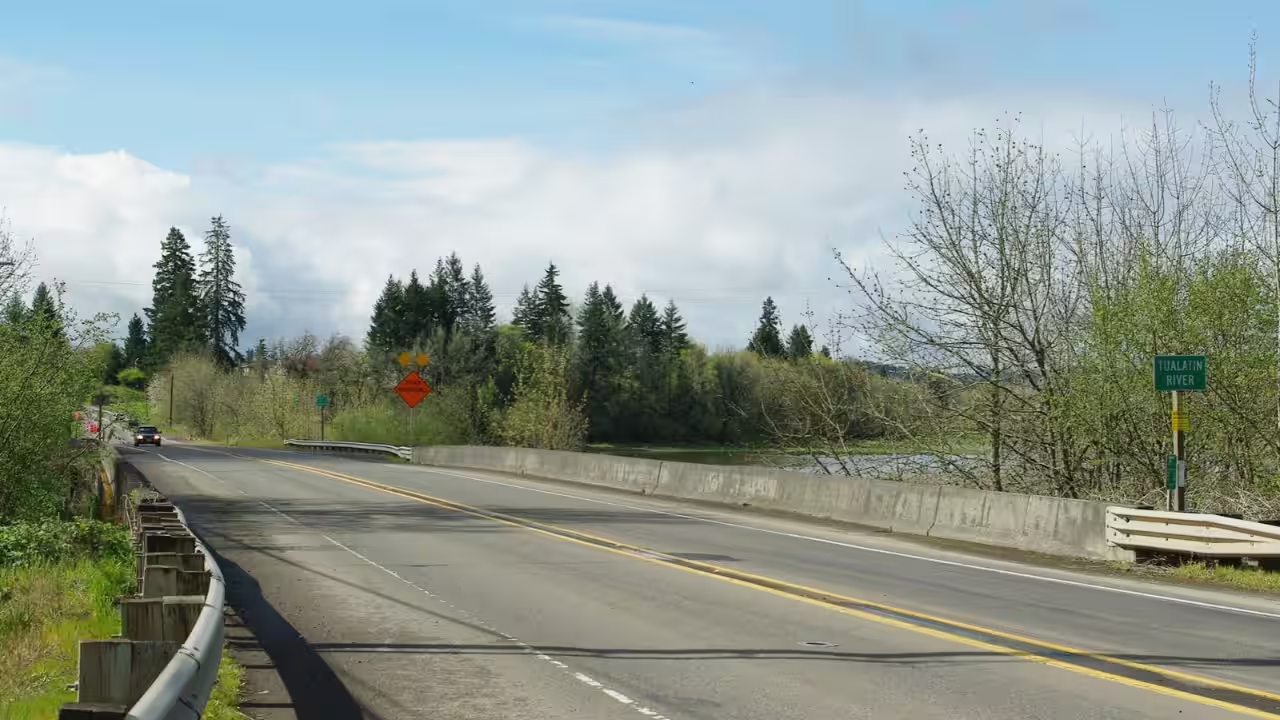
The Oregon Department of Transportation reused approximately 47,000 tons of stockpiled asphalt concrete to resurface a section of a state highway in 1977, with the material having previously served as pavement during a freeway reconstruction project. It was processed at a plant, mixed with additional materials and laid as a conventional hot-mix asphalt surface after being removed and stored for about two years.The project demonstrated that old asphalt could be reclaimed and used again for highway construction rather than being discarded after its initial service. The findings came from a demonstration project that was supported by the Federal Highway Administration, with the report also recording limitations such as the recycled surface being rougher than an average new asphalt pavement, and the properties of the recycled mixture varying depending on the materials used.How did Oregon recover the old pavement?The asphalt originated from a section of pavement that used to carry detour traffic during freeway reconstruction, and rather than send the material to disposal directly, the transportation department recovered it and stockpiled it while developing plans for another road project. The department's earlier report was published in November 1977, and described the work as Oregon's first hot-mix asphalt recycling project. It documented how almost 50,000 tons of asphalt concrete were salvaged and recycled to overlay a section of secondary state highway, and the material had been stored for approximately two years before the new paving work.Crews processed the reclaimed asphalt at a plant and incorporated it into a new hot-mix material, and the resulting pavement was then placed in the same general manner as conventional asphalt. The project received assistance from the Federal Highway Administration's Demonstration Project Division, which helped cover some recycling costs and the evaluation of the pavement.Why old asphalt can be used againAsphalt pavement is made from mineral aggregates that are bound together by asphalt binder, which is a petroleum-derived material that holds the mixture together. Traffic and weather gradually have an effect on the binder and the pavement's physical properties; however, the material does not necessarily become unusable when a road reaches the end of its service life.Reclaimed asphalt pavement can be processed and incorporated into new pavement mixtures. The old material supplies both aggregate and aged asphalt binder, and depending on its condition and the requirements of the new mixture, engineers may add fresh binder, new aggregate or other materials. The Federal Highway Administration supports asphalt recycling because it can reduce the demand for virgin materials and cut the amount of construction waste that was sent to landfills, and its guidance stresses that recycled mixtures must meet economic, environmental and performance requirements. The engineers of the Oregon project had to account for the properties of the aged binder and the condition of the recovered aggregate rather than treat the stockpiled material as identical to newly produced asphalt.What the 12-year assessment foundThe 1992 final report concluded that the recycled asphalt pavement had performed well during 12 years of service, and although traffic volumes and loads exceeded the levels for which the pavement had originally been designed, the road continued to carry vehicles. The report also found that slightly aged asphalt cement could be modified adequately by adding softer, new asphalt cement, with researchers coming to the conclusion that additional recycling agents were not necessary for this particular project.The recycled pavement surface was rougher than the average surface of newly constructed asphalt pavements, and the report also warned that recycled materials could vary in their properties, with the addition of new asphalt and aggregate potentially increasing that variability.Recycling became a highway construction optionTransportation agencies were examining ways to conserve resources and reduce the cost of road construction, which is when the Oregon experiment took place. Reusing asphalt that has already been removed from a highway provided a way to recover valuable material rather than purchase an entirely new supply. The project's 12-year record gave transportation engineers field evidence that hot in-plant recycling could produce a pavement under traffic loads that exceeded its original design assumptions.Modern highway recycling involves more sophisticated material testing and mixture design, but the basic principle is that recovered pavement can serve as an ingredient in new roads when engineers account for its condition and adjust the mixture accordingly. Oregon's demonstration established that approximately 47,000 tons of old asphalt were reused, and the highway pavement that resulted remained in service for at least 12 years while carrying traffic that was far beyond its design loading.You use AI every day. Now get your AI Quotient. Take the AIQ test.
Topics in this story
Gathered from external sources. Rights to this text belong to whoever originally published it.