Supreme Court rejects Trump policy restricting treatment for transgender federal inmates
The Supreme Court on Wednesday said the Trump administration cannot enforce a new policy that restricts treatment for transgender inmates in federal prison.
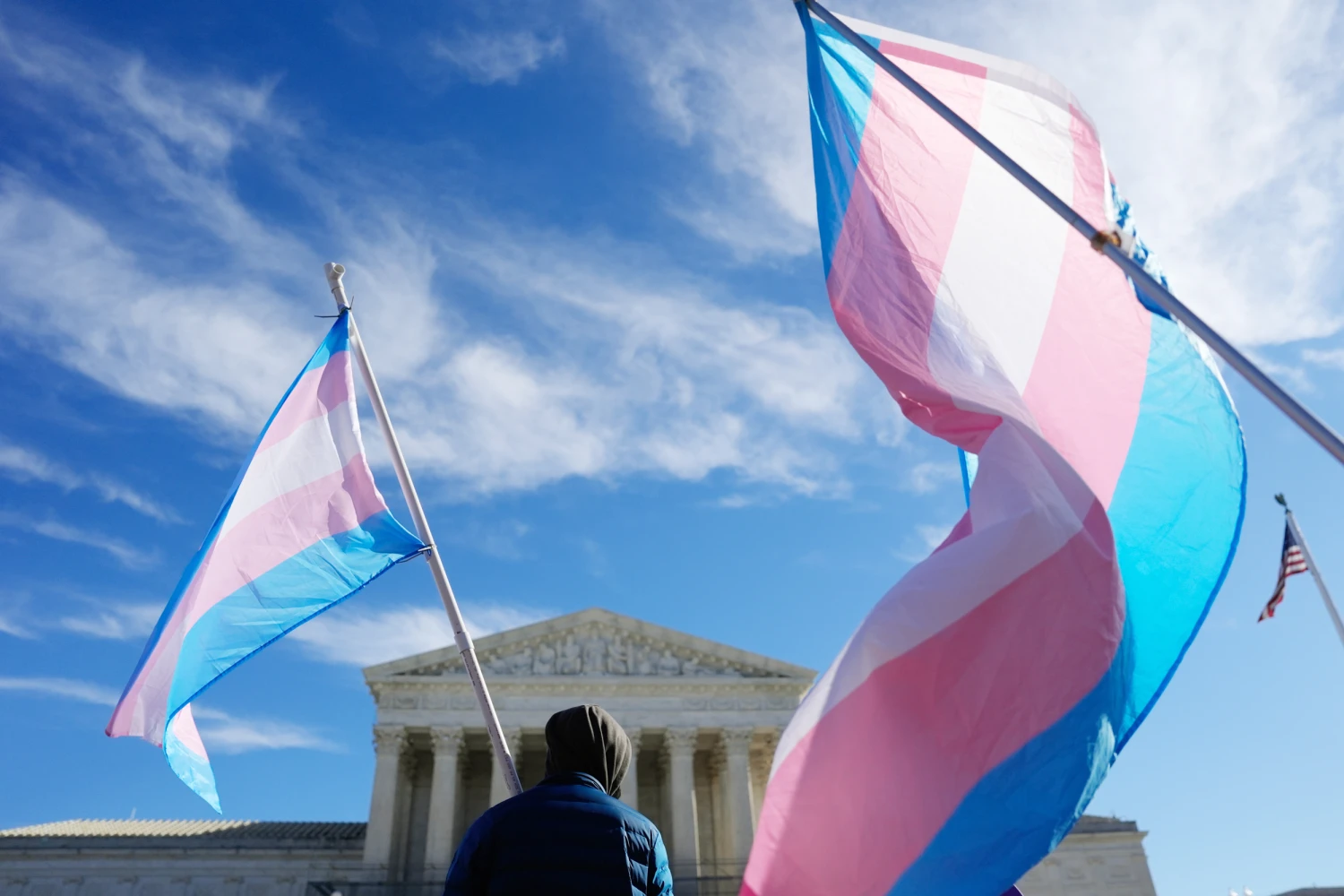
WASHINGTON — The Supreme Court on Wednesday said the Trump administration cannot enforce a new policy that restricts treatment for transgender inmates in federal prison. The justices in a brief order rejected an emergency application filed by the administration that sought to block a lower court injunction against the proposal. There are about 1,000 transgender inmates in federal custody. The policy is part of President Donald Trump’s broader effort to roll back moves to expand transgender rights. It was announced in line with his January 2025 executive order telling federal agencies not to acknowledge the concept of gender identity outside of the “immutable biological classification” of male or female. The court order included no explanation, saying only that two conservative justices, Clarence Thomas and Samuel Alito, would have granted it. In several different announcements, the Bureau of Prisons over the last 18 months has said it will not provide gender transition surgery, hormone treatments or “social accommodations” such as wigs, padding or makeup. That rolled back previous policies that allowed for gender-affirming care, with the government saying that such treatments have recently been called into question by medical professionals. That claim is heavily contested by transgender rights advocates. If the policy had gone into effect, the only treatment transgender inmates would have been able to receive would be mental health services and potentially medications like antidepressants. A group of transgender inmates sued, with the backing of the American Civil Liberties Union, arguing the government had failed to adequately explain the change. They also alleged a violation of the Constitution’s Eighth Amendment, which bars cruel and unusual punishment. The lead plaintiffs in the case, Alishea Kingdom, Jas Kapule and Solo Nichols, have all been receiving hormone treatment for several years. Washington-based U.S. District Judge Royce Lamberth blocked the current policy in a ruling earlier this year, concluding that the Bureau of Prisons had failed to consider the merits of its past treatment of transgender inmates in formulating the plan. “Despite providing gender-affirming care to inmates in its custody for years, the government cites in the Program Statement zero evidence from its own medical or mental health professionals to support its conclusions,” he wrote. The government provided no evidence that the previous plan was “ineffective or harmful,” he added. Lamberth, a Reagan appointee, also found that the proposal appeared to be engineered precisely to comply with the president’s executive order, concluding that the reasons given were pretextual. In September, the U.S. Court of Appeals for the District of Columbia Circuit rejected a Trump administration request seeking to block the judge’s final decision, with the panel split 2-1. In court papers, Solicitor General D. John Sauer said the lower court was guilty of “substituting its own policy judgment for that of the agency” and was essentially faulting the Bureau of Prisons for following the president’s executive order. ACLU lawyers said in court papers that the Bureau of Prisons has provided hormone therapy to inmates since 1992 while also gradually expanding access to other treatments and social accommodations. The abrupt change without necessary explanation “gives rise to the inference that the agency’s purported reasons were not its actual reasons,” the lawyers wrote. “That glaring omission, as well as the unreasonableness of its decision, make it clear that the rationales were contrived to support the demand President Trump made” in the executive order. The case marks a rare recent win for transgender advocates at the Supreme Court, which has a 6-3 conservative majority. In June, the court upheld state bans on transgender athletes seeking to participate in women’s and girls’ sports. A year earlier, the court backed state laws banning gender transition treatments for transgender youths. The court has also allowed Trump to implement a ban on transgender people in the military.
Topics in this story
Gathered from external sources. Rights to this text belong to whoever originally published it.