Taking a ballot selfie? It may be prohibited in your state
Not every state supports taking a photo with your ballot.
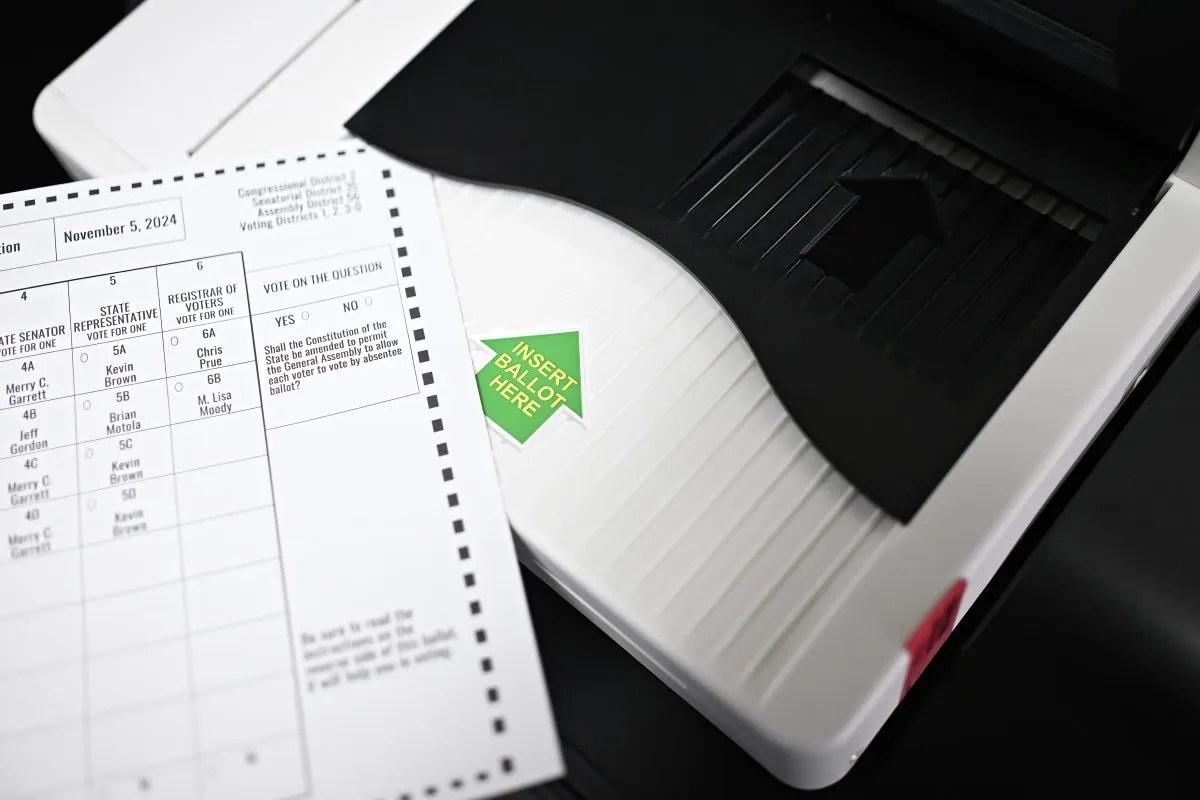
(NEXSTAR) – Whether you’re voting for the first time or your 50th, casting a ballot on Election Day can feel monumental, so much so that you want to take a photo to capture the moment.
Depending on where you are, that may not be allowed.
States have varying rules on “ballot selfies,” according to the National Conference of State Legislatures .
In Michigan , voters can take a photo of their ballot in the booth, but they cannot hold up the ballot for a selfie, officials say. Selfies are allowed and “encouraged” outside the polling location.
Oklahoma law prohibits a voter from sharing how they voted while inside the election enclosure. Officials say voters in the state can take a photo of their marked ballot but cannot share it with someone or on social media until they’ve left the enclosure.
Alabama allows voters to photograph their ballot “as long as they do not disclose the content of any other voter’s ballot or disrupt the voting process.”
Maryland also allows voters to take a photo of their marked ballot.
Voters in other states do not have the same opportunity.
“Wireless communications devices” aren’t allowed in a room where voting is happening, and images and sound can’t be recorded within 100 feet of a voting station, according to Texas election officials.
While there is no law that stops a voter from taking a picture or recording video at a Minnesota polling place, the Secretary of State’s office discourages it. Recording a marked ballot “could violate” state law as well.
Others prohibiting ballot selfies, according to an NCSL analysis, include Nevada, South Dakota, Wisconsin, Missouri, Louisiana, Mississippi, South Carolina, North Carolina, New Jersey, New York, Massachusetts, Alaska, and Ohio.
Before you snap a selfie with your ballot, be sure to check with local election regulations. There may be signs at your polling place warning you against the practice.
Topics in this story
Gathered from external sources. Rights to this text belong to whoever originally published it.