Trump: Surging gas costs are ‘very inexpensive price to pay’ for Iran war
President Trump referred to surging gas prices as a small “price to pay” for the U.S. war in Iran while speaking to a crowd of supporters Wednesday in North Carolina. “It’s a very inexpensive price to pay for what we’ve done. Remember that. It’s a little more. Frankly, even if it was a lot more,”…
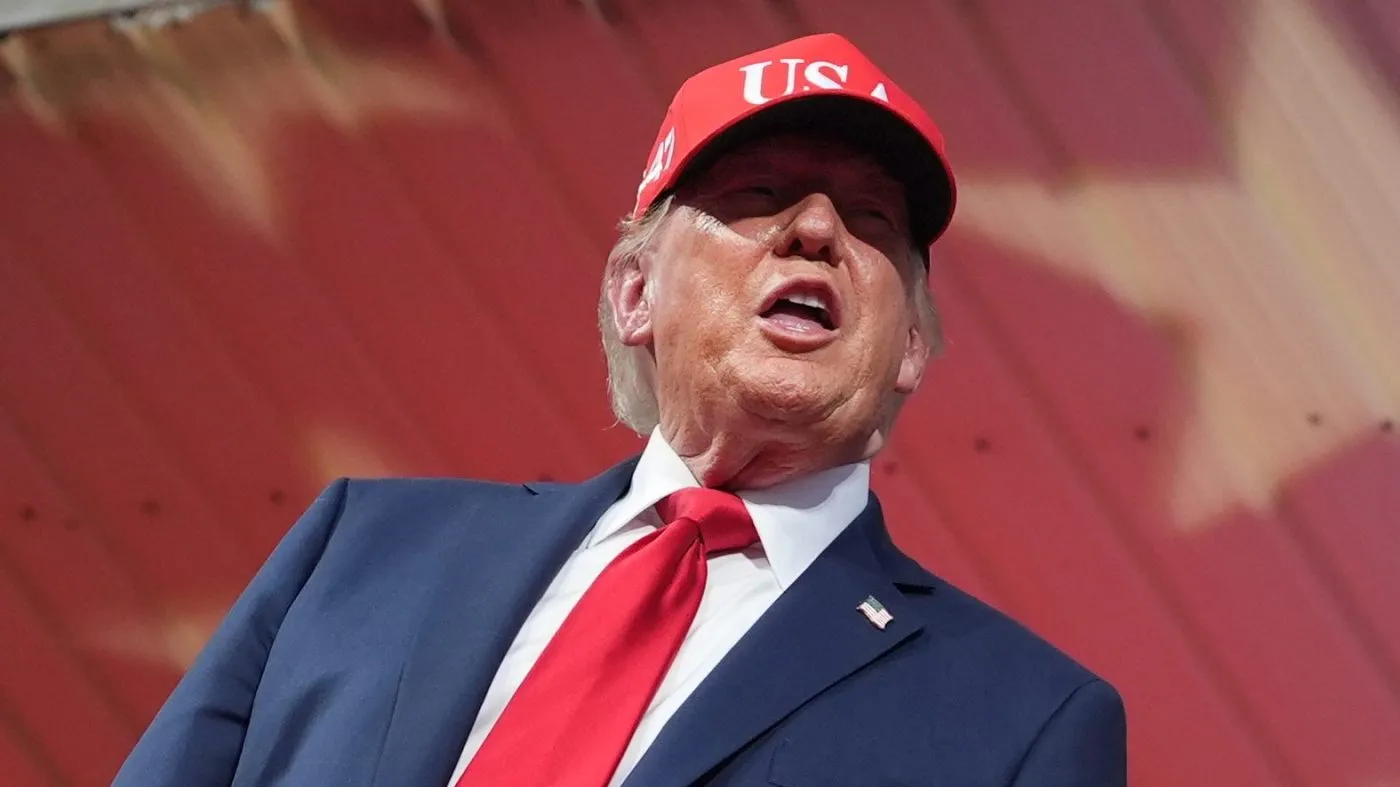
President Trump referred to surging gas prices as a small “price to pay” for the U.S. war in Iran while speaking to a crowd of supporters Wednesday in North Carolina.
“It’s a very inexpensive price to pay for what we’ve done. Remember that. It’s a little more. Frankly, even if it was a lot more,” Trump said at a rally for GOP Senate nominee Michael Whatley in Gastonia.
“But that’s going to come tumbling down,” he added, referring to gas prices. “That’s going to be like rocket ships in reverse.”
The comments came as fuel prices spiked as a result of the U.S. war in Iran.
The national average for regular unleaded gas jumped from $4.31 to $4.43 in the span of four days this week, according to AAA . Meanwhile, the national average for diesel jumped 42 cents over the last week.
Analysts raised concern over the price surge Thursday, noting uncertainty over the ongoing conflict.
“For the first time since the start of the Iran conflict, we don’t have a baseline view,” Natasha Kaneva, a commodities strategist at JP Morgan, wrote to clients, according to Yahoo Finance.
“We simply don’t know how to model the endgame,” she said.
The Strait of Hormuz, the vital oil shipping lane, remains closed, playing a role in driving up energy prices.
In the U.S., Republicans are grappling with how to overcome Democrats’ affordability message as energy prices continue to rise.
Those costs could prove detrimental to Republicans in November as polls show Americans broadly disapproving of Trump’s handling of the economy.
A New York Times/Siena University poll released this week found that 62 percent of respondents said they disapproved of the way Trump was handling the economy, while only 36 percent said they approved.
Topics in this story
Gathered from external sources. Rights to this text belong to whoever originally published it.